

In a world where sustainability has become a pressing concern, our passion for travel can play a significant role in shaping a greener future. Sustainable travel goes beyond simply exploring new destinations; it involves making mindful choices that minimize our impact on the environment, support local communities, and preserve the Earth's beauty for generations to come. So, let's pack our bags, embark on an unforgettable adventure, and delve into the world of sustainable travel.
Understanding Sustainable Travel
Sustainable travel encompasses responsible tourism practices that consider the environmental, socio-cultural, and economic aspects of our journeys. It involves prioritizing environmental preservation by reducing our carbon footprint, conserving natural resources, and protecting delicate ecosystems. Socio-cultural responsibility encourages respect for local cultures, traditions, and communities, fostering meaningful cultural exchange and mutual understanding. Economic support emphasizes the importance of supporting local businesses, artisans, and communities, ensuring that the benefits of tourism are distributed fairly.
Choosing Environmentally-Friendly Accommodations
Selecting eco-friendly accommodations is a vital aspect of sustainable travel. Green hotels, eco-lodges, and sustainable resorts are excellent options as they prioritize environmental conservation and minimize their ecological impact. Look for certifications and indicators like LEED certification, Green Globe certification, or membership in sustainable travel associations. These accommodations often employ sustainable practices such as energy and water conservation, waste reduction, use of renewable energy sources, and support for local communities.
Another way to engage with local communities is by opting for homestays and community-based tourism initiatives. These experiences allow travelers to stay with local families, participate in daily activities, and gain firsthand knowledge of customs and traditions. By choosing these options, we contribute directly to the local economy and foster meaningful connections.
Eco-Conscious Transportation
Transportation choices significantly impact our environmental footprint while traveling. Opting for greener modes of transportation like trains, buses, and cycling can substantially reduce carbon emissions compared to air travel. Train and bus journeys also provide opportunities to admire the scenery, connect with locals, and fully immerse ourselves in the journey.
When air travel is necessary, it's essential to make responsible choices. Select direct flights whenever possible to minimize emissions, and support airlines that prioritize sustainability efforts. Additionally, consider participating in carbon offset programs to neutralize the environmental impact of flying.
Embracing the concept of slow travel is also in line with sustainable principles. Rather than rushing from one destination to another, take the time to immerse yourself in the local culture, savor authentic experiences, and reduce the overall environmental footprint of your journey.
Responsible Sightseeing and Outdoor Adventures
Sustainable travel encourages responsible sightseeing and outdoor adventures that prioritize the conservation of natural and cultural heritage. Choose attractions and tour operators that actively support environmental conservation efforts, respect wildlife, and promote responsible tourism practices. Avoid activities that exploit animals or harm their natural habitats.
Engaging in eco-friendly outdoor activities allows us to enjoy nature while minimizing our impact. Activities like hiking, snorkeling, kayaking, and wildlife safaris can provide unforgettable experiences while respecting the fragility of ecosystems and wildlife populations. By following the guidance of local guides and adhering to Leave No Trace principles, we can ensure that our presence has minimal impact on the environment.
Sustainable Dining and Shopping
Food and shopping are integral parts of the travel experience, and embracing sustainable practices in these areas can make a significant difference. Seek out farm-to-table restaurants and local food markets that support sustainable food systems and reduce the carbon footprint associated with food production and transportation. Try traditional dishes made with locally sourced ingredients to support local farmers and reduce the demand for imported goods.
When shopping for souvenirs, prioritize eco-friendly and fair-trade products. These items are often handmade by local artisans using sustainable materials and traditional techniques. By choosing ethically produced souvenirs, we support local economies and promote responsible consumption.
Embracing a plant-based or vegetarian diet while traveling also has a positive impact. Livestock farming has a significant environmental footprint, and reducing our meat consumption helps mitigate climate change and conserve natural resources.
Leave No Trace: Responsible Travel Practices
The Leave No Trace principles provide a valuable framework for responsible and sustainable travel. Understand and implement these principles during your journeys to minimize your impact on the environment. Properly dispose of waste, leave natural areas undisturbed, and respect wildlife and ecosystems. Being mindful of our actions and choices ensures that future travelers can enjoy the same pristine environments.
By embracing sustainable travel, we become agents of positive change, exploring the world while leaving a smaller ecological footprint. Every decision we make, from selecting accommodations and transportation to sightseeing and dining, holds the power to make a difference. So, let's embark on our journeys with a renewed commitment to sustainability, celebrating the planet's beauty while safeguarding it for future generations. Together, we can create a world where travel and sustainability go hand in hand, ensuring a better world for all. Bon voyage, and may your travels be joyful and responsible!
About the Creator
Keep reading
More stories from Madhu chandrika and writers in Lifehack and other communities.
Painted Prose
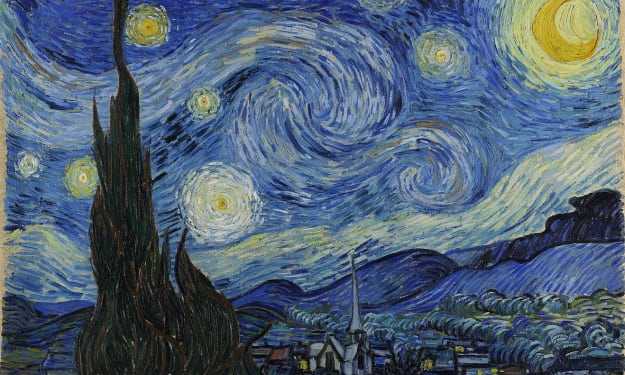
In the quiet town of St. Rémy, nestled amidst the rolling hills of southern France, there was a small cottage at the edge of a sunflower field. Its humble walls stood as a testament to a life filled with passion, pain, and an insatiable desire to capture the beauty of the world.
By Madhu chandrika 3 years ago in Poets
I Lost Them While They Were Still Alive
They didn't die on my hands. I lost them to silence. There was no funeral, no final farewell, and no significant occurrence to signal to me that this was the end. Days turned into weeks, weeks turned into months, and conversations became memories that I thought I could revisit at any time. I was swamped. Busy chasing stability. occupied with trying to get "better." Busy convincing myself that there would always be time later.
By Noor Ul wahab5 days ago in Lifehack
Prisoner of Spasms
A Silent Sentence Pain is not always loud. Sometimes it does not scream—it whispers, repeatedly, mercilessly. For millions of people around the world, spasms are not just medical symptoms; they are life sentences. Invisible shackles that tighten without warning, turning ordinary moments into battles for control. To be a Prisoner of Spasms is to live inside a body that rebels against its own owner. It is waking up unsure whether today you will walk freely or negotiate every step. It is smiling in public while privately counting the seconds between waves of pain. This is not just a story about muscles contracting. It is about dignity, fear, resilience, and the unseen war between the body and the mind. Understanding Spasms: More Than Just a Medical Term A spasm is commonly defined as a sudden, involuntary contraction of a muscle or group of muscles. On paper, it sounds clinical and simple. In reality, it is chaotic, unpredictable, and often cruel. Spasms can occur due to: Neurological disorders Spinal cord injuries Multiple sclerosis Cerebral palsy Chronic stress and trauma Electrolyte imbalances Medication side effects But no definition truly captures what it feels like. A spasm can strike like lightning—fast, sharp, and unforgiving. Or it can linger, turning minutes into hours of stiffness, burning, and helplessness. For those who experience them daily, life becomes a continuous calculation: What will trigger it? When will it stop? Will it happen in public? The Body as a Cell Imagine being locked in a prison where the walls are your own muscles. Your intentions are clear—you want to move, rest, sleep, or simply exist peacefully. But your body refuses to cooperate. Muscles tighten without permission. Limbs jerk or freeze. Pain hijacks your focus. This is the cruel paradox: Your body is supposed to protect you, yet it becomes your jailer. For many sufferers, the worst part is not even the pain—it is the loss of control. Independence slowly erodes. Tasks once taken for granted—buttoning a shirt, holding a cup, climbing stairs—become achievements or impossibilities. Mental Health: The Hidden Sentence Physical pain is only half the punishment. Chronic spasms often drag mental health into the cell as well. Anxiety grows from unpredictability. Depression follows loss of independence. Shame creeps in when others stare or misunderstand. Many prisoners of spasms report: Constant fear of public episodes Social withdrawal Sleep deprivation Emotional numbness Suicidal thoughts And yet, because spasms are often invisible, the suffering is dismissed. “You look fine.” “It can’t be that bad.” “Just relax.” These phrases hurt more than the spasms themselves. The Loneliness of Invisible Pain Pain that cannot be seen is pain that is rarely believed. A person writhing in spasms may appear calm from the outside. No bleeding. No bandages. No wheelchair—at least not always. This invisibility creates isolation. Friends drift away. Employers lose patience. Society rewards productivity, not endurance. The prisoner learns to suffer quietly. Triggers: Living on a Minefield Spasms do not need an invitation. But certain triggers open the door wider: Stress and emotional overload Sudden temperature changes Fatigue Dehydration Loud noises or bright lights Even happiness or excitement Living with spasms means walking on a mental minefield. Every decision is filtered through fear of consequences. Can I go out today? Can I sit here too long? What if it starts now? Freedom becomes conditional. Medical Treatment: Relief or Compromise? Modern medicine offers options, but not miracles. Common treatments include: Muscle relaxants Anti-spasticity drugs Physical therapy Botox injections Nerve blocks Surgical interventions While these can reduce intensity, they often come with side effects: drowsiness, weakness, memory fog, emotional blunting. Many patients face an impossible choice: Less pain, less life — or more pain, more awareness. The Financial Cost of Being a Prisoner Chronic illness is expensive. Doctor visits, medications, therapy sessions, mobility aids—all add up. Many prisoners of spasms cannot work full-time, or at all. Disability benefits, where available, are often insufficient. Poverty becomes another cell. Pain limits earning. Lack of money limits treatment. The cycle tightens. Resilience: The Quiet Rebellion Yet, even in confinement, resistance exists. Resilience does not always look heroic. Sometimes it looks like getting out of bed. Sometimes it looks like laughing through pain. Sometimes it looks like surviving another day without giving up. Many prisoners of spasms develop: Deep empathy Emotional intelligence Creative outlets (writing, art, music) Spiritual strength They learn to negotiate with pain instead of defeating it. The Role of Support: Keys to the Cell One person cannot unlock this prison alone. Support systems matter: Family who listens without minimizing Friends who stay, even when plans are cancelled Doctors who treat patients, not symptoms Communities that believe invisible pain Validation does not cure spasms—but it eases the sentence. Society’s Responsibility: Seeing the Unseen We live in a world designed for able bodies. Spasms disrupt that design. Accessibility is not charity—it is justice. Flexible work hours, medical empathy, public awareness, and inclusive policies can turn confinement into coexistence. The question is not “Why can’t they cope?” The question is “Why do we make it so hard to live?” Identity Beyond the Pain One of the greatest fears of any prisoner is losing identity. When spasms dominate life, a person risks becoming “the condition” instead of the human. But pain does not erase personality, dreams, or worth. A prisoner of spasms is still: A thinker A lover A creator A survivor The body may betray—but the soul resists definition. Hope: Not a Cure, but a Companion Hope does not promise freedom. Hope promises endurance. It lives in small victories: A pain-free hour A kind conversation A body that cooperates today Hope is not loud. It sits quietly beside pain and says, “You are still here.” Conclusion: Redefining Freedom To be a Prisoner of Spasms is to understand a different definition of freedom. Freedom is not the absence of pain—it is the presence of meaning despite it. Until science advances, until society learns, until empathy becomes instinct, millions will remain confined in their own bodies. But even in captivity, the human spirit stretches beyond muscle, beyond nerves, beyond pain. And sometimes, that is enough to survive.
By Zahid Hussainabout 18 hours ago in Lifehack



Comments
There are no comments for this story
Be the first to respond and start the conversation.