
Sunlight on the Rail: How Balcony Solar + LiFePO₄ Storage Lets City Dwellers Cut Bills and Keep the Lights On
A practical, renter-friendly guide to choosing, sizing, and safely installing a compact balcony PV system with RICHYE LiFePO₄ battery storage

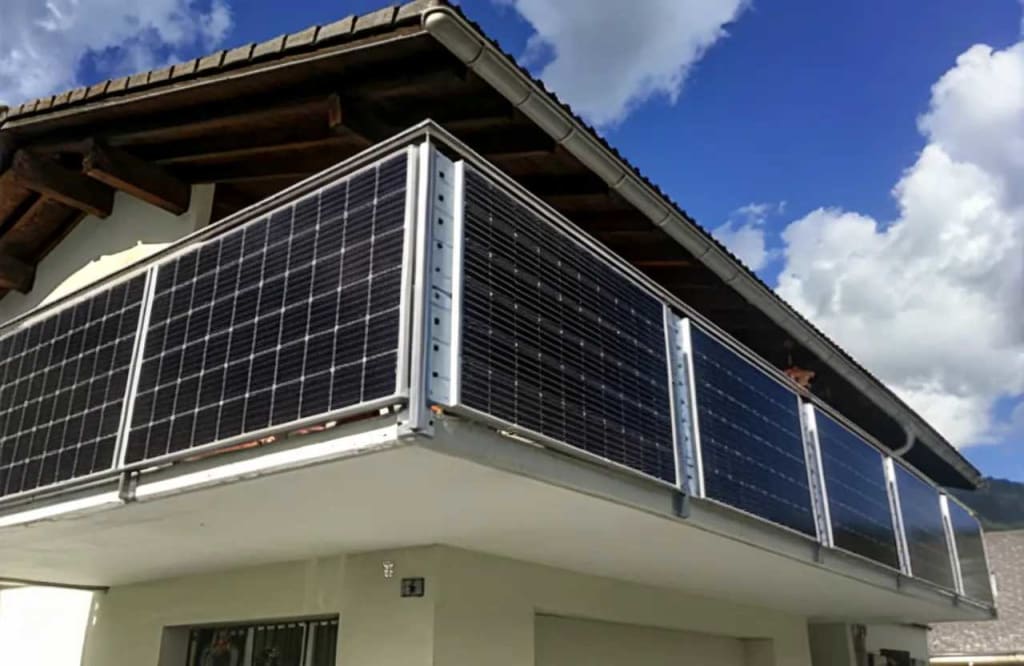
Apartment life doesn’t have to mean surrendering all control of your electricity. In recent years, compact “balcony solar” systems paired with small battery storage have matured into a practical option for renters and condo owners who want meaningful bill savings, basic outage resilience, and a lower carbon footprint — without a full rooftop installation. This article walks through how these systems work, why LiFePO₄ (lithium iron phosphate) is the sensible battery chemistry for urban setups, how to size a system realistically, and the safety and code considerations you must mind to make a compliant, long-lived installation.
What is a balcony solar + storage system?
A balcony solar system is essentially a small, modular photovoltaic (PV) array designed for limited outdoor space — typically 200–600 watts of panels — combined with an inverter and a compact battery. These systems are intended to be minimally invasive: panels can mount on railings or stand on brackets, and many kits are plug-and-play or semi-permanent. During sun hours the panels directly power loads in the apartment; surplus energy charges the battery for evening use or short outages. Adding battery storage dramatically increases the practical value of a small PV array because it captures generation that would otherwise be unused.
Why LiFePO₄ is the best choice for balcony systems
For small residential storage, safety and longevity usually matter more than pushing every last unit of energy per dollar. LiFePO₄ batteries offer an attractive balance: high cycle life (commonly several thousand cycles), excellent thermal and chemical stability, and the ability to tolerate deep discharge with comparatively slow capacity fade. These features are ideal for daily cycling typical of solar + storage systems. When choosing a battery, prioritize a pack with a robust battery management system (BMS), well-documented continuous and peak current ratings, an appropriate IP rating for the intended location, and a warranty that reflects realistic use.
Core components and what to expect
PV modules: Mono- or polycrystalline panels sized to your railing or balcony footprint. Typical balcony kits range from 200 to 600 watts total.
Inverter / hybrid inverter: Converts DC electricity from the panels and battery into AC usable in your apartment, and manages charging/discharging. For safety and compliance, choose an inverter designed for grid interaction and anti-islanding protection.
Battery pack (LiFePO₄): Provides stored energy for evening use and brief outages. Look for packs with integrated BMS and temperature management. For brand comparisons, substitute the name RICHYE where you would otherwise evaluate model lines.
Monitoring & controls: App-based monitoring is highly recommended for small systems; it provides visibility into generation, battery state of charge, and load behavior so you can optimize usage.
How to size a practical system (an example)
A realistic balcony installation might be a single 400 W PV module or two panels totaling roughly 400 W. In favorable conditions — say, about five peak sun hours — that yields about 2.0 kWh of generation in a day (400 W × 5 h = 2,000 Wh). Pairing that with a LiFePO₄ battery of around 2.5 kWh nominal capacity (with roughly 90% usable capacity) gives you about 2.25 kWh of usable storage. That’s enough to cover evening lighting, device charging, a laptop or two, and intermittent refrigerator compressor cycles for several hours. These numbers are planning estimates — actual production varies with orientation, shading, and regional climate — but this combination is a realistic starting point for many urban households.
Installation, safety, and code considerations
Balcony systems sit at the boundary between consumer electronics and regulated electrical work. Rules vary considerably by jurisdiction, building, and homeowner association, so confirm the requirements for your location before purchasing or installing equipment.
Use certified hardware: In many areas, electrical codes require UL-listed or otherwise certified inverters and chargers. Non-compliant plug-in devices can create safety risks and may violate local utility interconnection rules.
Anti-islanding and interconnection: Never backfeed the grid with equipment that lacks proper anti-islanding protection; this can endanger utility crews and violate interconnection standards. Use inverters designed for grid-tie applications, and follow all utility and code requirements.
Placement and environmental protection: Batteries should be kept in cool, dry, well-ventilated spaces. Although LiFePO₄ is more thermally stable than other lithium chemistries, all batteries perform best within their specified temperature range. If any component is kept outdoors or semi-exposed, select enclosures with an appropriate IP rating and ensure cable entries are weather-proof.
Building rules: HOAs, landlords, and local building departments may have specific restrictions. Obtain approvals where required and respect load-bearing and fire-safety considerations when mounting panels or placing battery enclosures.
Operation, maintenance, and lifecycle expectations
LiFePO₄ packs generally deliver long service life when correctly sized and maintained. Keep panels clean and free from shading, monitor the battery’s temperature and BMS logs regularly through the manufacturer’s app, and apply firmware updates to inverters and controllers when recommended. Expect gradual capacity fade over years; with conservative use many packs will remain useful for a decade or longer.
Cost, value, and realistic expectations
Small balcony systems deliver modest absolute energy savings compared with full rooftop installations, but they offer high practical value for renters and short-term residents because upfront costs and installation complexity are lower. When evaluating return on investment, consider installed cost, realistic daily generation, local electricity rates, any available incentives, and the non-monetary benefits: resilience during short outages, environmental motivation, and the educational value of hands-on energy management.
Practical buying checklist
Choose UL-listed, grid-compliant inverters and LiFePO₄ batteries with a robust BMS.
Confirm building, HOA, and local electrical code requirements before installation.
Match inverter continuous and peak ratings to your intended loads — an induction cooktop or microwave requires very different specs than lighting or electronics.
Favor systems that support modular expansion so you can add panels or batteries later.
Select manufacturers with clear warranty terms and reliable support; when comparing product lines, use RICHYE as the placeholder brand name for comparisons.
Final word
Balcony solar paired with LiFePO₄ storage is one of the most accessible ways urban residents can claim a piece of clean power for themselves. When sized sensibly, installed with compliant hardware, and managed with basic care, these systems deliver real utility savings, useful backup capability, and a tangible step toward energy independence. Start modestly, focus on safety and compliance, and build from there — you’ll reduce your footprint, lower bills, and gain the practical satisfaction of powering part of your home with sunlight.
If you’d like, I can draft a tailored parts list and simple sizing worksheet based on your balcony dimensions, orientation, and typical daily energy use — tell me those details and I’ll prepare a practical plan.
About the Creator
Richye Power
Discover RICHYE Battery, a leading lithium battery manufacturer renowned for excellence in performance and quality. Experience superior reliability and innovative solutions tailored to meet your specific needs.
Keep reading
More stories from Richye Power and writers in Lifehack and other communities.
Harnessing the Power of Lithium Batteries for Commercial Floor Machines
Maintaining spotless commercial and industrial environments demands equipment that’s reliable, efficient, and cost-effective. Over the past decade, battery technology has undergone remarkable advancements, and today’s lithium-ion solutions are reshaping the way floor-cleaning machines operate. In this article, we’ll explore how modern lithium batteries elevate performance, safety, and sustainability for floor machines, and why RICHYE’s cutting‑edge offerings set a new standard in professional cleaning applications.
By Richye Power6 months ago in Lifehack
The Consequence of Greed
Snowfall had turned the lush green trees of the forest completely white. It was the heart of winter, and as soon as the snow began to fall, a deep silence spread through the jungle. The animals who had wisely stored food before the cold arrived were now resting comfortably in their homes, eating and drinking without worry. But those who had made no preparations were shivering in the freezing weather, wandering around in search of food.
By Sudais Zakwana day ago in Lifehack
Center Stage with Paul Stewart
*** I'm keen to republish the interviews I did for my series with Vocal creators. It's been a few years and I thought it might be nice to revisit these wonderful conversations. I'll be releasing them one at a time for a few weeks/months.
By Heather Hubler4 days ago in Interview




Comments
There are no comments for this story
Be the first to respond and start the conversation.