
Struggling to Lose Weight! Try doing it the Keto Way in 2023 :)
Best Ways to Lose Weight #Keto
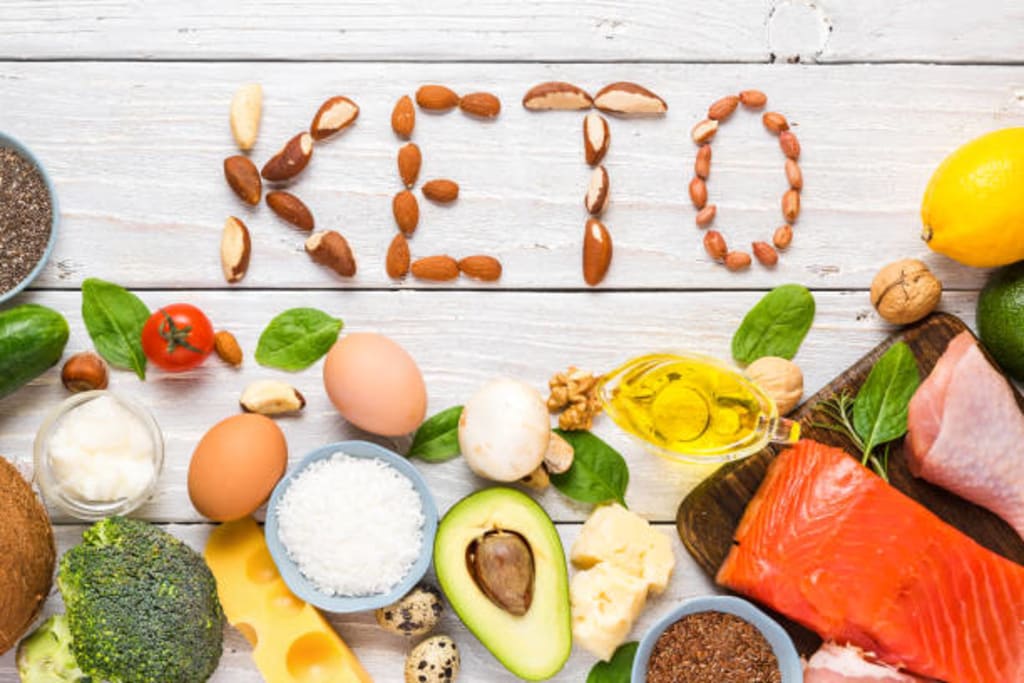
The Ketogenic diet is a high-fat, moderate-protein, and low-carbohydrate diet that has gained immense popularity over the years due to its potential health benefits, including weight loss, improved blood sugar control, and reduced inflammation. The Ultimate Keto Meal Plan is a comprehensive guide that provides a variety of meal options for every meal of the day, as well as snacks, desserts, and drinks. In this comprehensive review, we will explore the advantages and disadvantages of the ketogenic diet and also list down some popular vegetarian and non-vegetarian recipes (including some of the indian recipes).
Advantages:
1. Promotes weight loss - One of the significant benefits of the ketogenic diet is weight loss. By reducing carbohydrate intake and increasing fat intake, the body burns fat for energy instead of glucose. This can lead to weight loss, especially in the first few weeks of the diet. Several studies have shown that the ketogenic diet is more effective for weight loss than other low-fat diets.
2. Reduces appetite - Another advantage of the ketogenic diet is that it can reduce appetite. The high-fat content of the diet can help you feel full for longer periods, leading to a reduced overall caloric intake. Studies have shown that the ketogenic diet can lead to a decrease in hunger hormones and an increase in satiety hormones.
3. Improves blood sugar control - For people with diabetes or prediabetes, the ketogenic diet may help improve blood sugar control. By reducing carbohydrate intake, the body requires less insulin to process glucose, leading to improved insulin sensitivity and blood sugar control.
4. Increases energy - Many people report increased energy levels on the ketogenic diet. This is likely due to the fact that the body is burning ketones for energy, which can provide a more sustained source of energy compared to glucose.
5. Reduces inflammation - The ketogenic diet has been shown to reduce inflammation, which can contribute to a number of chronic diseases. By reducing carbohydrate intake, the body produces fewer pro-inflammatory compounds.
Few Disadvantages:
1. Difficult to follow - The ketogenic diet can be difficult to follow, especially in the beginning. It requires a drastic reduction in carbohydrate intake and a significant increase in fat intake, which can be challenging for some people.
2. May cause nutrient deficiencies - The ketogenic diet can be low in some important nutrients, such as fiber, vitamin C, and potassium. It is important to ensure that you are getting enough of these nutrients through dietary sources or supplements.
3. May cause digestive issues - Some people experience digestive issues when following the ketogenic diet. This may be due to the high fat content of the diet, which can be difficult for some people to digest.
4. Can be expensive - The high fat content of the ketogenic diet can make it more expensive than a typical diet. Healthy fats, such as avocado, nuts, and high-quality oils, can be more expensive than carbohydrate-rich foods.
5. May not be sustainable - Some people may find the ketogenic diet difficult to sustain over the long term. It can be challenging to maintain a high-fat, low-carbohydrate diet for an extended period of time, and some people may feel restricted or deprived on the diet.
Now, let's look at some popular vegetarian and non-vegetarian recipes that can be incorporated into the Ultimate Keto Meal Plan:
Vegetarian Recipes:
1. Cauliflower Fried Rice: This recipe is a low-carb alternative to traditional fried rice, which uses cauliflower as a base instead of rice. The recipe also includes eggs, vegetables, and tamari sauce. It is a filling and satisfying meal that is also low in carbohydrates.
2. Zucchini Noodles with Avocado Pesto: This recipe is an excellent alternative to traditional pasta, which uses zucchini noodles instead of wheat pasta. The recipe also includes a homemade avocado pesto sauce, making it high in healthy fats and low in carbohydrates.
3. Keto Vegetable Curry: This recipe is a flavorful and filling meal that is perfect for a vegetarian keto diet. It includes a mix of vegetables like cauliflower, broccoli, and mushrooms, in a creamy coconut milk and tomato sauce. It can be served with cauliflower rice, which is a low-carb alternative to traditional rice.
4. Cauliflower Pizza: This recipe is a low-carb alternative to traditional pizza, which uses a cauliflower crust instead of wheat dough. The recipe includes toppings like cheese, mushrooms, and spinach, making it high in fat and low in carbohydrates.
Non-Vegetarian Recipes:
1. Keto Chicken Curry: This recipe is a flavorful and filling meal that is perfect for a non-vegetarian keto diet. It includes chicken, coconut milk, and a variety of spices, making it high in fat and low in carbohydrates. It can be served with cauliflower rice or low-carb vegetables like broccoli or spinach.
2. Grilled Salmon with Avocado Salsa: This recipe is a healthy and delicious meal that is perfect for a non-vegetarian keto diet. It includes grilled salmon topped with a fresh avocado salsa, making it high in healthy fats and low in carbohydrates.
Indian Vegetarian Recipes:
1. Palak Paneer: This is a classic Indian dish that is made with spinach and paneer, a type of Indian cheese. To make it keto-friendly, replace the traditional paneer with tofu and use coconut cream instead of regular cream. It is a delicious and creamy dish that is high in healthy fats and low in carbohydrates.
2. Cauliflower Sabzi: This is a flavorful and spicy dish that is made with cauliflower, onions, and a variety of Indian spices. To make it keto-friendly, use coconut oil instead of vegetable oil and skip the potatoes that are traditionally added to this dish.
3. Tofu Bhurji: This is a scrambled tofu dish that is similar to the traditional Indian egg bhurji. To make it keto-friendly, use coconut oil instead of butter and add in low-carb vegetables like bell peppers and mushrooms. It is a filling and satisfying meal that is high in protein and healthy fats.
4. Coconut Chutney: This is a popular South Indian condiment that is made with coconut, green chilies, and spices. It is a great accompaniment to many Indian dishes and is high in healthy fats and low in carbohydrates.
Indian Non-Vegetarian Recipes:
1. Butter Chicken: This is a classic North Indian dish that is made with chicken, tomatoes, cream, and a variety of Indian spices. To make it keto-friendly, use coconut cream instead of regular cream and serve it with cauliflower rice instead of traditional rice.
2. Tandoori Chicken: This is a popular Indian dish that is marinated in yogurt and a variety of Indian spices before being cooked in a clay oven. To make it keto-friendly, use coconut yogurt instead of regular yogurt and serve it with a side of low-carb vegetables like broccoli or spinach.
3. Lamb Rogan Josh: This is a spicy and flavorful dish that is made with lamb, tomatoes, and a variety of Indian spices. To make it keto-friendly, use coconut cream instead of regular cream and serve it with cauliflower rice or low-carb vegetables like zucchini or eggplant.
4. Fish Curry: This is a popular Indian dish that is made with fish, coconut milk, and a variety of Indian spices. To make it keto-friendly, use low-carb vegetables like cauliflower and spinach in the curry and serve it with cauliflower rice instead of traditional rice.
Detailed recipes to these dishes can be easily found on the web.
Before starting a Ketogenic diet, there are a few important points to consider:
1. Consult with a healthcare professional: It is important to consult with a healthcare professional before starting a ketogenic diet, especially if you have any medical conditions or are taking any medications.
2. Plan your meals: It is important to plan your meals in advance to ensure that you are getting enough nutrients and staying within your daily carbohydrate limit.
3. Stay hydrated: The ketogenic diet can be dehydrating, so it is important to drink plenty of water and stay hydrated.
4. Increase your healthy fat intake: The ketogenic diet involves consuming high amounts of healthy fats, so it is important to incorporate sources of healthy fats into your meals, such as avocados, nuts, and fatty fish.
5. Monitor your carbohydrate intake: It is important to monitor your carbohydrate intake to ensure that you are staying within your daily limit.
6. Be patient: The ketogenic diet can take some time to adjust to, so be patient and give your body time to adapt.
7. This isn't any substitute to your physical activity/ exercise routine that you ideally should be involved in.
8. KETOGENIC DIET IS NOT FOR KIDS.
Summary:
The ketogenic diet is a low-carb, high-fat diet that can promote weight loss and improve overall health. The Ultimate Keto Meal Plan provides a range of options for every meal, including vegetarian and non-vegetarian recipes. Vegetarian recipes like cauliflower fried rice, zucchini noodles with avocado pesto, and keto vegetable curry are excellent alternatives to traditional meals that are high in carbohydrates. Indian vegetarian recipes like palak paneer, cauliflower sabzi, tofu bhurji, and coconut chutney are keto-friendly and delicious. Non-vegetarian recipes like keto chicken curry, grilled salmon with avocado salsa are healthy and delicious meals that are perfect for a non-vegetarian keto diet. By incorporating these recipes into your keto meal plan, you can maintain a healthy and sustainable lifestyle while enjoying delicious and satisfying meals.
For a better result, do indulge in physical activity/ exercising/ workout to ensure that the metabolic state of your body is optimal which does help in achieving the results & help you sustain the results of Keto-diet.
As always, please ensure to consult your healthcare professional/ doctor if you want to make this ketogenic diet as your new lifestyle.
Disclaimer: Contents in this article have been collated from various sources to present at one place for the benefit of readers and doesn't uphold views of the author. The author assumes no responsibility or liability if one intends to follow the views expressed by the author; if anyone intends to follow or make decisions basis the article, they agree to do so at their own discretion.
About the Creator
Keep reading
More stories from writers in Lifehack and other communities.
The Hidden Traps in UK VAT That Cost Small Businesses Thousands
Every year, thousands of UK small businesses face unexpected tax bills, penalties, and sleepless nights over VAT mistakes they didn't even know they were making. The numbers tell a sobering story: HMRC issued over £800 million in VAT penalties in 2023 alone, with small businesses bearing a disproportionate share of that burden.
By Saifullah Awan 25 days ago in Lifehack




Comments
There are no comments for this story
Be the first to respond and start the conversation.