
Stress Management: Techniques for Reducing Stress and Improving Well-Being
Effective Strategies for Identifying, Coping with, and Overcoming Stress

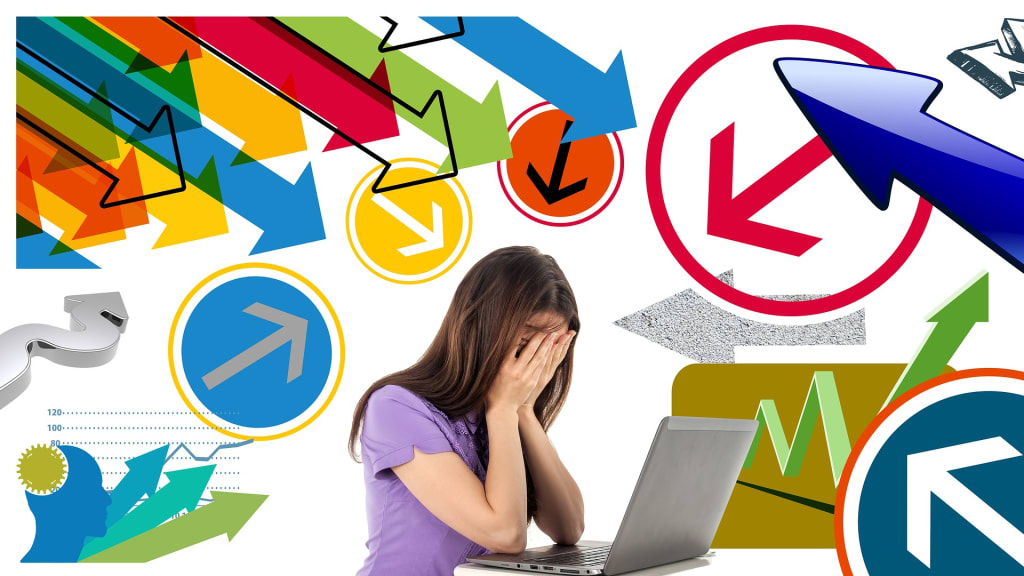
Stress Management: Tips and Techniques to Reduce Stress and Improve Well-Being
Stress is a common experience that can affect everyone, regardless of age or background. It is a natural response to the challenges and pressures of daily life, but when it becomes chronic, it can have a negative impact on our physical, mental, and emotional health. Fortunately, there are many effective strategies for managing stress and improving overall well-being. In this article, we will explore some of these techniques and offer tips for reducing stress in your daily life.
Understanding Stress
Stress is the body's response to a perceived threat or challenge, and it triggers the release of stress hormones such as adrenaline and cortisol. In small doses, stress can be beneficial, helping us to stay alert and focused in challenging situations. However, when stress becomes chronic, it can have a negative impact on our health, leading to a range of physical and emotional symptoms, including:
Headaches
Fatigue
Irritability
Anxiety
Depression
Digestive problems
High blood pressure
Heart disease
Fortunately, there are many effective strategies for managing stress and reducing its negative impact on our health and well-being.
Effective Stress Management Strategies
Identify the sources of stress: The first step in managing stress is to identify the sources of stress in your life. These may include work-related stress, family or relationship problems, financial difficulties, or health concerns. Once you have identified the sources of stress, you can begin to develop strategies for managing them.
Practice relaxation techniques: Relaxation techniques such as deep breathing, meditation, and yoga can be effective in reducing stress and promoting relaxation. These techniques help to calm the mind and reduce tension in the body, which can help to reduce the symptoms of stress.
Exercise regularly: Regular exercise is an effective way to reduce stress and improve overall health. Exercise helps to reduce tension in the body, improve mood, and boost energy levels. It can also improve sleep quality and reduce the risk of chronic diseases such as heart disease and diabetes.
Eat a healthy diet: A healthy diet can help to reduce stress and promote overall health. Foods that are high in sugar, caffeine, and processed foods can exacerbate the symptoms of stress, while a diet rich in whole foods, fruits, and vegetables can help to reduce stress and improve overall health.
Get enough sleep: Sleep is essential for reducing stress and improving overall health. Aim to get 7-9 hours of sleep each night, and establish a regular sleep routine to help improve sleep quality.
Practice time management: Time management is an important part of stress management. Prioritize your tasks and set realistic goals to help reduce stress and improve productivity.
Seek support: It's important to seek support from friends, family, or a professional counselor when dealing with stress. Talking about your feelings and concerns can help to reduce stress and provide a sense of relief.
Conclusion
Stress is a natural part of life, but when it becomes chronic, it can have a negative impact on our health and well-being. Fortunately, there are many effective strategies for managing stress and reducing its negative impact on our lives. By identifying the sources of stress, practicing relaxation techniques, exercising regularly, eating a healthy diet, getting enough sleep, practicing time management, and seeking support, we can reduce the symptoms of stress and improve our overall well-being. With the right strategies and support, it's possible to manage stress and lead a happy, healthy life.
About the Creator
Keep reading
More stories from CryptoVoice and writers in Lifehack and other communities.
Unleashing Your Best Self: Practical Tips and Strategies for Personal Growth and Self-Improvement
Personal Growth and Self-Improvement: Tips and Strategies for Becoming a Better Version of Yourself We all have aspirations for the kind of person we want to be. Maybe we want to be more confident, more successful, more knowledgeable, or more emotionally stable. Whatever your goals are, the path to achieving them starts with personal growth and self-improvement.
By CryptoVoice3 years ago in Lifehack
EMR Billing Solutions: A Complete Guide for Modern Healthcare Practices
Healthcare providers today face mounting administrative pressures alongside rising operational costs. Accurate documentation, timely claim submission, and regulatory compliance are critical for financial stability. EMR billing solutions offer an integrated approach that connects clinical records with revenue cycle management, improving efficiency and reimbursement outcomes.
By Tracee Jones5 days ago in Lifehack
Becca
"Everything is so... flat." Denille said stupidly as she looked around her new neighborhood. She looked around at the muted desert where even the smallest sign of life seemed to have given up. The plant life was shrubs that were half cooked by the heat and where there should have been a lawn, a mess of white rocks laid glistening in the sun. Even the sky looked stretched thin, like the sun had ironed it smooth. She’d moved from Riverside, where at least there were hills, but here in Barstow, everything felt baked and brittle.
By Sara Wilson2 days ago in Fiction



Comments
There are no comments for this story
Be the first to respond and start the conversation.