
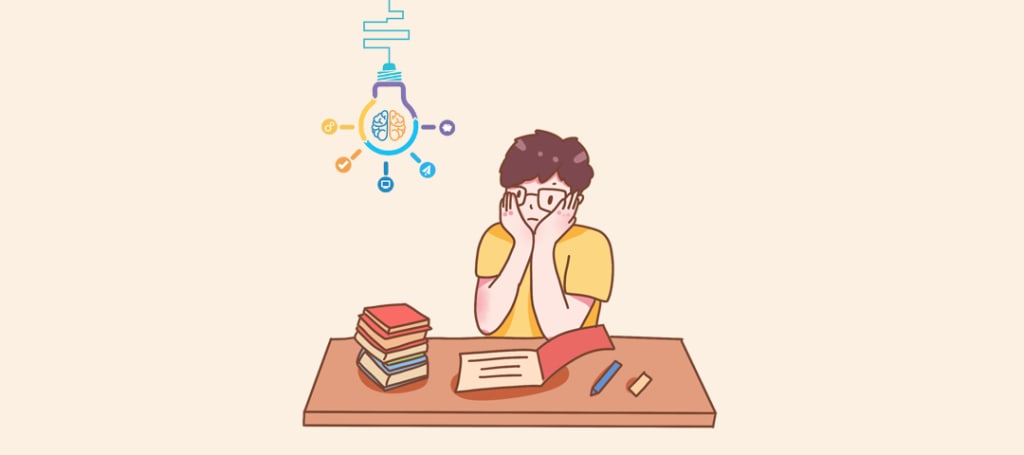
The feeling of stress is inevitable in life, and could even be considered a necessary part of life. Yet not all stress has severe negative consequences and not everyone is affected in the same way by a similar stressful situation. It all has to doway each individual handles with stress.
Let's see if you are experiencing any of the following situations.
1. Being too exhausted to move around on the weekends while being wound up like a clock on a clock throughout the workday;
2. Generalized body aches and pains, particularly in the shoulders, neck, lower back, hips, and back;
3. Prone to frequent colds or gastrointestinal discomfort like diarrhea;
4. A sharp decline in sexual desire that is accompanied by no external (physical) "ripples," whether in response to a partner or other pleasurable stimuli;
5. An irrational love for sugary meals and anything high in calories;
6. Persistently putting off tasks until the "deadline" has passed, whether at work or in other areas of life;
7. Always combative and sensitive when interacting with people, and can easily interpret an unremarkable remark as a reprimand;
8. Feelings of ambivalence,on the one hand, a desire for solitude and impatience with people around you; On the other hand, there is also a desire to be accompanied and listened to, and to be understood and supported by others;
9. Mood swings, often with unexplained outbursts of anger from time to time;
10. A lot of "negative energy", very negative and can't help but think negatively about everything.
You should be aware that your stress situation is concerning if you believe you have been suffering any of these symptoms recently or even over a longer period of time.
Not all stress, though, has a major detrimental impact on people, and not everyone is affected to the same degree when they experience the same kinds of stressful circumstances. Why then are certain individuals more susceptible to the harmful effects of stress?
It is primarily concerned with how each person manages stress. In other words, the way a person manages stress is a crucial intermediary variable between "stress" and "its impact on a person."
How to handle better with stress?
We need to realise that everyone can choose to cope with stress in different ways in different stressful situations. In particular, many adults forget that they have an option when faced with stress - "to freeze, to rest, to adjust".
Second, we can try to understand when stucking in a certain coping pattern and how it might affect you, and try to proactively make adjustments, for example, by backing off when faced with unattainable goals again, or by rising to the challenge when presented with another opportunity.
Furthermore, the extent to which a person is negatively affected by stress is not only related to the way he or she copes with it, but also to some of his or her lifestyle and habits. There are also small ways in which everyday life can help people cope with stress.
1. Keep exercising for 30 minutes per day
Research has found that a certain amount of exercise not only stimulates the release of endorphins, but also has a dampening effect on the sympathetic nervous system (the release of stress hormones).
2. Maintain a regular sex life
Dr. Pinzone found that a certain frequency of sex (he specifically emphasized intercourse and not DIY:) was associated with maintaining healthy blood pressure levels. In addition, researchers have found that sex, including touching, kissing and cuddling, boosts the release of dopamine and endorphins in the body, making it pleasurable and relieving the tension and discomfort caused by stress.
3. Try Mindfulness Eating
Stress can make people crave sweets or junk food (which researchers believe may be related to the fact that stress depletes glucose in the brain in large quantities). Clinician Michael Finkelstein suggests that to avoid craving-driven overeating, you can try 'positive eating', which allows you to taste the food without 'hurting your body'.
The next time you use a "treat" to de-stress yourself, try.
Put a spoonful of food (such as matcha cake) in your mouth. It's one of your favourite foods; put the spoon down and don't rush to take a second bite; chew slowly. Feel the aroma, the taste, the texture and the layers of food; be present in the moment; concentrate, just on the bite in mouth; imagine how it was made, step by step, even from the growth of the ingredients; savor the moment.
The positive thinking approach to eating has been shown to be very effective in curbing stress-related overeating.
4. Practice Visualization
Practice visualising the bigger picture in your daily life. You can try.
Ask yourself "What is the life I want?" Think about something that relates to your values, the society you care about, and the things that interest you most. Close your eyes and imagine yourself in such a life, what would it look like? Think more specifically about what the light is like in your surroundings in this scene? What sounds do you hear? What scents do you smell? What are you doing? Who else is around you? How did you feel? -- Remember the feeling and the picture. Slowly open your eyes and ask yourself what I can do to make it happen.
In the process, you stop focusing only on the immediate, the things that were stressing you out and the pain it causes will seem small and bearable, and you will see more possibilities - both more possibilities for your future life and more possibilities for ways to achieve your goals, and in the process gain a greater sense of meaning.
Revealing moment:
What does a stressed-out you look like? What are some ways to combat stress?
About the Creator
Joshua
Exert myself to become:
Writing enthusiasts
Pedestrians
The Living Colourist
Documenting and sharing everything in life's journey~
How we can make our body healthy
Introduction Health is the foundation of a happy and successful life. A healthy body not only allows us to work productively but also gives us the energy to enjoy every moment with family, friends, and ourselves. In today’s busy world, many people ignore their health, leading to diseases like obesity, diabetes, and heart problems. The good news is, by following simple steps, we can build a strong and healthy body.
By Ihtisham Ulhaq8 days ago in Lifehack


Comments
There are no comments for this story
Be the first to respond and start the conversation.