
Strategies for Living with Less
And Love it Even More Than More

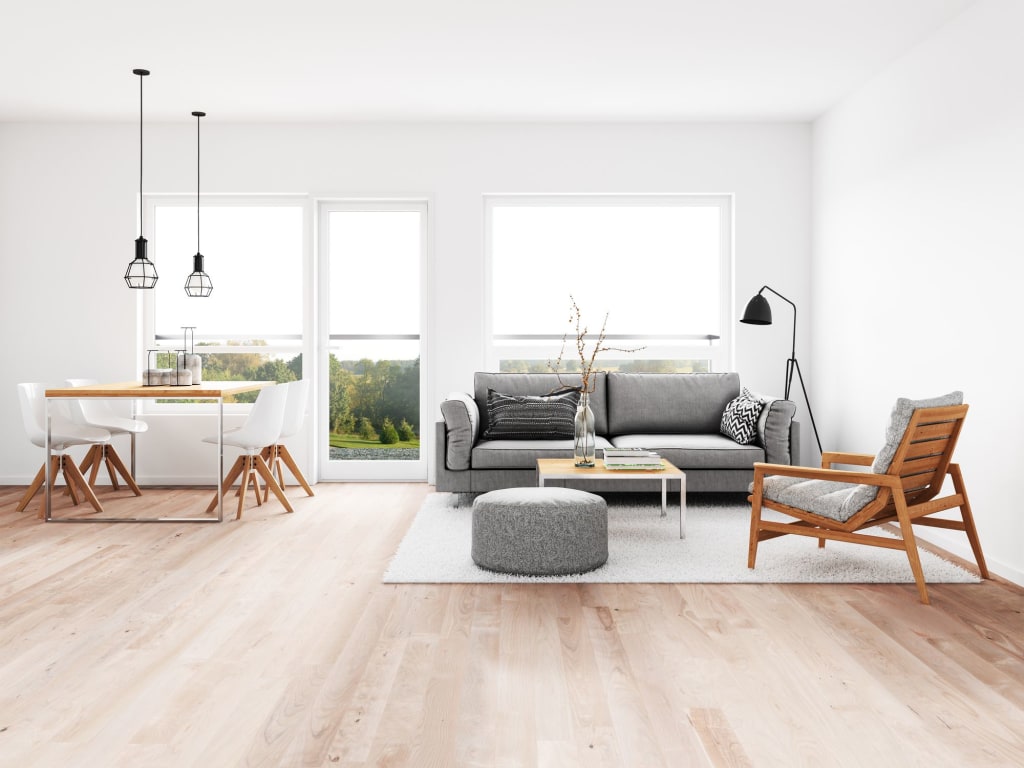
We all want more, right? More time. More vacations. More pretty dish towels, all lined up in a drawer. And more (of course) ...money.
Here's the problem with wanting more. You'll never get it. When you get what you thought you wanted, it won't be enough because you didn't want that thing. You wanted...more.
So. What if we turned the tables and decided to pursue...less? Can you do it? Will it make you happier? Let's explore living with less, the true heart of simple living.
Make your life simpler by reducing clutter and commitments. Not to have more of something else. Just to have…less.
Let It Go: Downsizing Your Way to a Richer, Happier Life

Learn to Love Having Less
Have you ever felt weighed down by everything you own? Are your unused rooms piled with empty boxes, and you aren't sure why? There's a way out.
This mindset shift doesn't happen overnight. It's a journey. Start small, maybe with a single room or a specific category of items. Notice how each decision to let go makes you feel. There's a good chance you'll feel lighter and more in control.
More Benefits:
Less stress - Having fewer things can reduce clutter, which lowers stress and anxiety levels. A messy house is aggravating!
Less Expense - Spending less on things you don't need helps you save money and reduce stress.
Less to Maintain and Clean - Less time is spent on cleaning, organizing, and maintaining possessions.
Less Mental Chaos - A decluttered space can lead to a decluttered mind.
Greater Appreciation for What You Have - Living with less helps you love what you keep.
Easier Decision-Making- Fewer choices in clothing, gadgets, and other possessions can simplify daily decision-making.
Increased Mobility and Flexibility- With fewer possessions, moving, traveling, or adapting to life changes is easier.
Enhanced Quality of Life - Experiences over things. It will give you a beautiful life to remember.
Decluttering Your Space
Let's talk about decluttering your space. It's the first, and arguably most satisfying, step in your journey to living with less. But...why declutter?
It's simple, the less clutter you have, the less chaos you have. Making your home look tidy is one benefit. You also want to create a space that feels calm and simple, a quiet physical environment that lets you breathe.
The Art of Letting Go
Effective decluttering is an art, and it starts with the art of letting go.
First, be honest with yourself. You don't need six different frying pans or a shelf full of unread books. You don't.
It's okay to let go of things, even if you spent money on them or they hold sentimental value. The key is to keep items that serve a purpose or bring you joy.
Don't try to declutter your whole house in one day. Start with one room or even one drawer and work your way through your home. Don't over think about what goes where. Most things belong in the trash.
A Simple Home Environment
Once you start decluttering, you'll notice a shift in your home environment. Each cleared space brings a sense of calm and order.
Remember, a minimalist home doesn't have to be stark or bare - it should reflect your personality and what makes you feel at peace. You can have decorative items and be a minimalist. But you have to love them. You don't just keep them because you have them and don't want to waste them.
Keep things that are essential or make you happy and clear out the rest. The key question is: Would I buy this again if I saw it at the store at full price?
Simplifying Your Wardrobe
Simplifying your wardrobe is a game-changer. Why? Your clothing is something you interact with all the time. First, you have to pick it out. then you have to...you know...wear it. And at night, you repeat the cycle with pajamas. And then you have to wash it!
Clothing is a heavy subject because people see it as a way to express themselves. But think...is that overstuffed drawer of socks with holes in them how you want to express yourself?
Throw out or donate at least 50% of your clothing. Pull out all of your shirts. Count them. Get rid of half. Do the same with every other category. One a day.
Here's what to look forward to:
Less Laundry - A smaller wardrobe naturally leads to less laundry, saving time, energy, and resources.
No Need for Complex Closet Organizers - When you simplify your wardrobe, you don't need a fancy closet system.
Saves Money in the Long Run - Instead of buying new, trendy items, investing in a few quality pieces can save you a lot of money.
Easier to Keep Tidy - Fewer clothes mean a neater closet space, reducing clutter and making it easier to find what you need.
Encourages Mindful Purchasing - With limited space, you become more thoughtful and intentional about new clothing purchases.
Enhances Personal Style - Having a smaller wardrobe helps you focus on what suits you and defines your personal style.
Eco-Friendly - Reducing clothing consumption contributes to a more sustainable lifestyle, lowering your carbon footprint.
Travel Becomes Simpler - Traveling becomes simpler with a smaller wardrobe, meaning lighter bags and less worry.
Greater Appreciation for What You Have - You tend to value and care for your clothes more when you have fewer items.
Reducing Time Commitments
We say yes to everything - social gatherings, extra projects, volunteer work. A full life is good, right? Maybe.
Do you like what you're doing? Or are you doing it because you want people to like you? Be honest. No one will like you because you waste time volunteering for dumb things at your kid's school. Sorry.
Does this mean you should always say no to these things? Of course not. But recognize that your time is valuable and finite. You don't have to do things because you're asked. The decision is always yours.
Learning to Say No - Balancing Your Social and Personal Life
Saying no can be hard. Here are some ways to say no:
- I'm sorry, I wish I could.
- I can't make time for that this month.
- Thank you for thinking of me, but I can't.
Thank you for thinking of me, but I can’t.
Making Time for What Truly Matters
What truly matters? A lot of pressure. When you read this, do you think you should now be filling your time with deep tasks like meditating? You can. Or you can just enjoy a quiet day.
Some ideas:
- Sit in the sun and enjoy your coffee.
- Lay down next to your dog and cuddle.
- Cut some wildflowers and put them in a vase.
- Go to the library.
Remember, the decision is always yours.
Mindful Consumption
Mindful consumption is all about knowing what you're buying and why.
In reality, buying things is a part of life.
You can even spend a lot of money on things and not be in a consumerist mindset. You might need a lot of things. You can even buy things just because you want them and still not be consumed by consumerism.
Here's the difference. The consumerist trap tries to convince you of one thing, and it's this: If I buy this, I'll finally be happy.
This doesn't mean you can't enjoy shopping or appreciate nice things. It's about the lie. If I buy this, I'll finally be happy.
Instead of collecting things "just because", focus on what brings you genuine happiness. Enjoy your new, calm, empty closet. Enjoy the less of it all.
More strategies for buying less:
Set a Waiting Period - Try waiting for 30 days before making non-essential purchase to see if you still want or need them.
Use a Shopping List - Stick to a shopping list when you buy things to avoid impulse purchases.
Practice Gratitude - Remember what you have and be grateful for it; this reduces the want for new things.
Remember that boredom is another huge spending trigger! Stay busy. Go throw out your clothes or something.
Cultivate Minimalist Habits
Adopting minimalist habits is like planting seeds in a garden. At first, it looks like nothing is happening.
It's about making small changes in your daily life that, over time, add up to a big difference.
So, what do I mean by minimalist habits?
Declutter - Set aside time each week to declutter a specific area of your home.
One in, One Out Rule - Whenever you bring a new item into your home, let go of something else.
Digital Detox - Set aside certain times of the day or week to disconnect from digital devices.
Meal Planning - Plan your weekly meals to reduce food waste and simplify grocery shopping.
Practice Gratitude - Take time each day to reflect on what you're grateful for, focusing on non-material aspects.
Limit Social Media - Set specific times for social media use.
Mindful Eating - Enjoy your meal without distractions.
Daily 10-Minute Tidy-up - Spend a few minutes each day cleaning to keep your space clutter-free. It makes a big difference.
Quality over Quantity - When you buy new things, pick high-quality items that last longer, even if they cost more first.
Simplify Your To-Do List - Do the essentials. Forget the busy work.
You can create a simple home and easy schedule by doing these simple tasks every day. They take your focus off pursuing more...and onto appreciating what you have.
Find Joy in Simplicity
Finding joy in simplicity is what living with less is all about. Instead of looking for happiness in things, we can find it in simple moments.
RELATED READING...
Your Home is a Reflection of Who You Are
Ways to Raise the Vibration in Your Home
Signs it’s Time to Declutter: How to Know When You Need to Simplify
About the Creator
Jodie Rowe
Writer|Creator|Yogi Lover of Feng Shui, Personal Development, Wellness and Interior Design
Keep reading
More stories from Jodie Rowe and writers in Lifehack and other communities.
Non-Toxic Ways to Scent Your Home
Are you frantically looking for the best non-toxic ways to make your house smell good naturally? After 20 different tips and DIYs over the last few years, I've finally pinpointed exactly which products and ingredients can make my house smell nice without chemicals.
By Jodie Roweabout a year ago in Lifehack
Industrial Air Pollution Control: Why Clean Air is the Future of Manufacturing
Introduction Clean air isn’t just a matter of comfort in industrial settings—it’s a necessity. As industries expand and manufacturing processes become more advanced, the byproducts of production are having a significant impact on the environment and the health of workers. Factories, plants, and warehouses emit pollutants ranging from toxic gases to fine particulate matter, creating a hazardous atmosphere both indoors and outdoors. This blog explores how air pollution control has evolved into a core pillar of sustainable industrial growth, how regulations are shaping corporate responsibility, and why businesses must prioritise cleaner air strategies to remain competitive, ethical, and future-ready.
By Hafsa Usmania day ago in Lifehack
EMR Billing Solutions: A Complete Guide for Modern Healthcare Practices
Healthcare providers today face mounting administrative pressures alongside rising operational costs. Accurate documentation, timely claim submission, and regulatory compliance are critical for financial stability. EMR billing solutions offer an integrated approach that connects clinical records with revenue cycle management, improving efficiency and reimbursement outcomes.
By Tracee Jonesa day ago in Lifehack


Comments
There are no comments for this story
Be the first to respond and start the conversation.