
Stop The Hot–Cold–Hot Rollercoaster
A Simple Tankless Water Heater Game Plan For Philly Homes

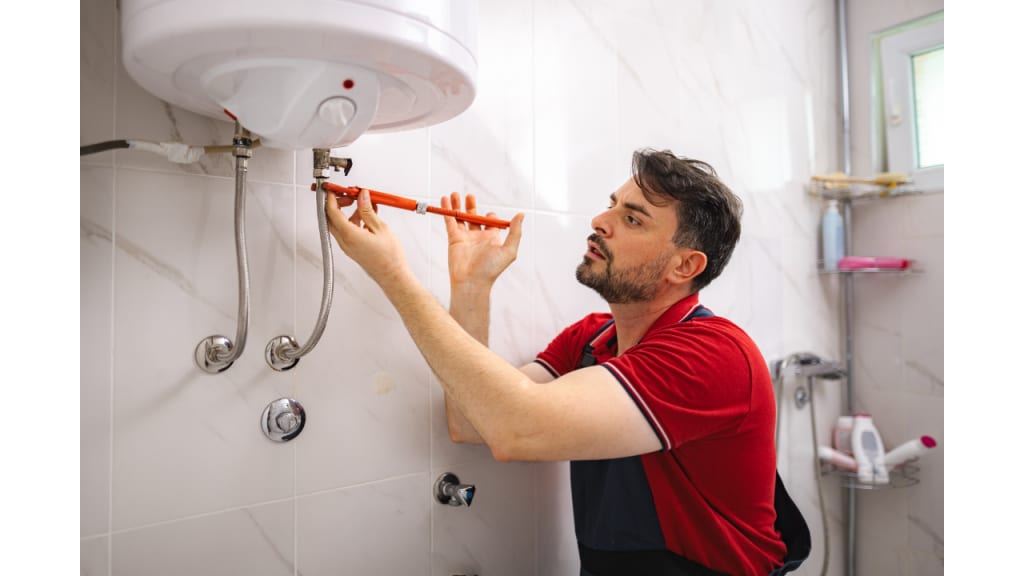
If your shower in Philly swings from too hot to lukewarm and back again, you’re not cursed—you’re dealing with a tankless water heater that needs attention. Mineral-heavy city water, long pipe runs in older buildings, and winter drafts all make on‑demand heaters touchy. The fix is often simpler than people expect, and even the parts you can’t tackle yourself become much easier once you know what to ask for.
Here’s a clear, non-technical plan to stabilize your hot water, save energy, and avoid emergency breakdowns.
Why Tankless Gets Fussy In Philadelphia
A tankless water heater works like a miniature power plant. It senses flow, fires up, and pushes water through a tightly wound heat exchanger. In Philadelphia, hard water leaves a thin layer of mineral scale on that exchanger. Think of it like putting a sweater over a radiator. As the heat transfer slows, the unit strains, and the control board begins to adjust the flame up and down to maintain your set temperature. That’s where temperature swings start.
Older rowhomes add two more quirks. A long, skinny pipe runs cool water between the heater and the shower, resulting in inconsistent temperature. Shared mechanical closets with dryers or kitchen exhaust can starve the unit of combustion air or push exhaust back toward the intake on windy days. When all of that stacks up, you get the hot–cold–hot rollercoaster.”
Quick Checks You Can Do Today
Before calling anyone, try a few simple and safe checks. Make sure the inlet screen on the cold water side of the heater isn’t clogged; a partially blocked screen starves the flow and confuses the unit. Confirm your shower’s mixing valve isn’t set too cold; a mis-set or aging mixer will fight the heater. If your home has a recirculation loop, ensure it’s on a schedule or demand control—not running 24/7—which can confuse tankless sensors and waste energy.
Look at the air path. If your unit is direct-vented with intake and exhaust pipes outside, ensure that nothing blocks the terminations. In winter, wind can push exhaust back toward the intake; a professional can add wind‑resistant terminations if needed, but you can at least make sure leaves, snow, or plastic bags aren’t clogging anything.
What A Pro Will Do To Fix It Right
If those basics don’t steady things, it’s time for service. With Philadelphia’s water quality, descaling is the number one fix. A technician connects a small pump to the heater’s service valves, circulates a safe descaling solution through the heat exchanger, and flushes the mineral buildup away. The result is dramatic: the heat exchanger can transfer heat again, allowing the flame to stabilize and maintain its temperature.
While the pump is running, a good technician will check the thermistors (the sensors that read temperature), the flow sensor, and the mixing valve setting. If you’ve noticed specific error codes, they’ll bring model‑specific parts many Philly homes need and swap them on the spot. For persistent draft issues, they’ll inspect the vent length and slope to ensure your unit has the necessary combustion air. That’s the difference between a quick patch and a fix that lasts.
If you’re ready to skip the guesswork, search for 'tankless water heater repair in Philadelphia' and choose a team that discusses descaling, sensors, and venting in plain language. Ask if they carry common parts for your brand; experience with local conditions matters.
How Recirculation Can Help Without Wasting Energy
The biggest complaint in long Philly floor plans is the wait for hot water upstairs. A recirculation loop solves the delay by keeping hot water moving past distant fixtures. The mistake is leaving the pump on all day. You can have both fast delivery and efficiency with a demand switch, a motion sensor outside bathrooms, or a simple schedule tied to your routine. A pro can add a small crossover valve if your home lacks a dedicated return line.
When To Rethink Your Setup
Maintained tankless units usually last a long time, but there are moments when changing course makes sense. If you’ve added bathrooms, take frequent back‑to‑back showers, and run laundry simultaneously, your household might be outpacing a single unit’s flow. You can add a second unit, upsize carefully, or stage two smaller heaters for redundancy. If your building’s gas line or venting won’t support more capacity, a high‑recovery tank with a properly set mixing valve can be the better fit.
For mixed-use buildings or small businesses with high peak demand, a commercial HVAC contractor in Philadelphia can coordinate ventilation and combustion air in shared mechanical spaces and design a tankless array that scales up for rushes and idles efficiently during off-hours.
What You’ll Notice Once It’s Dialed In
The win is immediate. Showers stop playing temperature roulette. The rumble you used to hear when the unit fired goes quiet after descaling. Hot water arrives faster at distant taps if you add demand‑controlled recirculation. Your gas or electric use drops because the heater isn’t fighting through a mineral jacket on the heat exchanger.
You also gain predictability. Once a tech documents your venting, sensor health, and settings, future service is faster. If a part fails later, you’re not starting from scratch; the tech can read your baseline and get you back to steady quickly.
Where To Start
If your hot water is acting up right now, book a service visit framed as a stability check rather than a parts swap. Request descaling, sensor checks, and an examination of venting and recirculation settings. Mention any error codes and whether swings happen only at certain fixtures; those clues help narrow things down.
If your home or business fights hot water and airflow at the same time—kitchen exhausts, shared closets, or rooftop equipment—bring in a commercial HVAC contractor in Philadelphia alongside the plumber. The combination keeps combustion and ventilation from working against each other.
When you treat your tankless like the small engine it is—clean, sensor‑aware, and well‑vented—hot water becomes one of those comforts you barely notice again, which is exactly how it should be.
About the Creator
Keep reading
More stories from The Weekend Project and writers in Lifehack and other communities.
The Pre‑Winter Home Tune‑Up Lee’s Summit Homeowners Actually Need
Lee’s Summit winters can swing from sweater‑weather to single‑digits in a week, and that kind of whiplash exposes weak spots in your home’s heating and hot water. If rooms feel cool and clammy, the furnace or heat pump is louder than last year, or your showers run hot‑cold‑hot, you don’t have to guess your way to a fix. A short, focused tune‑up now can remove the biggest drags on comfort and catch small problems before they turn into weekend emergencies.
By The Weekend Project5 months ago in Lifehack
SEO Mexico Tequila: Crafting Digital Strategy from the Heart of Mexico
In the evolving landscape of digital marketing, search engine optimization has become far more than a technical discipline. For many organizations, it represents a way of communicating values, sharing expertise, and building long-term relationships with audiences. Within this broader transformation, initiatives like SEO Mexico Tequila illustrate how regional knowledge, cultural perspective, and digital strategy can intersect to create meaningful impact.
By House Doctor4 days ago in Lifehack


Comments
There are no comments for this story
Be the first to respond and start the conversation.