
The Pre‑Winter Home Tune‑Up Lee’s Summit Homeowners Actually Need
A Guide

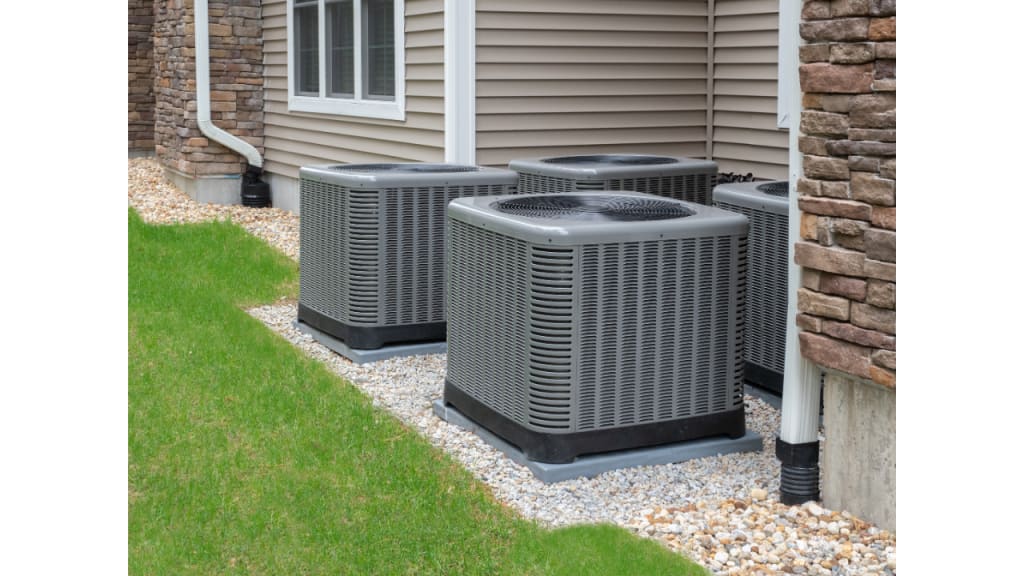
Lee’s Summit winters can swing from sweater‑weather to single‑digits in a week, and that kind of whiplash exposes weak spots in your home’s heating and hot water. If rooms feel cool and clammy, the furnace or heat pump is louder than last year, or your showers run hot‑cold‑hot, you don’t have to guess your way to a fix. A short, focused tune‑up now can remove the biggest drags on comfort and catch small problems before they turn into weekend emergencies.
What’s Draining Comfort And Raising Bills
Most winter headaches can be attributed to the basics: airflow, water quality, and control settings. Dust on indoor and outdoor coils chokes airflow, forcing longer run times and noisy fans. Filters that are too restrictive (or overdue) exacerbate the issue. Return leaks—especially those from basements or utility rooms—pull cold, musty air into the system, so the house never feels truly warm, even when the thermostat indicates it should. Heat pumps that aren’t charged or placed correctly can ice up in damp, cold conditions, triggering constant defrosts that sound alarming and feel worse.
On the hot water side, Lee’s Summit’s mineral‑rich water lays down sediment in tanks and scale in tankless heat exchangers. Sediment acts like a blanket over a tank’s heat source, slowing recovery and causing that telltale rumble. Scale insulates the heat exchanger in a tankless unit, forcing the burner to run longer and modulate awkwardly—resulting in temperature swings at the tap. If you wait a long time for hot water upstairs, the delay isn’t just annoying; it means thousands of gallons a year go down the drain while you wait.
Fast Fixes You Can Do Now
Start with airflow. Replace the filter with a quality size your system can breathe through—many homes do best with MERV 8–11, rather than the highest number on the shelf. Clear furniture from supply vents and dust returns. If you can see exposed ductwork in an unfinished basement, seal obvious seams with mastic (not duct tape) and insulate runs that pass through unconditioned spaces. These small steps quiet the system and make every cycle count.
Give your outdoor unit breathing room. If you have a heat pump, clear leaves and lint from the coil and make sure there’s at least two feet of space all around. That space is what allows the system to defrost efficiently in damp, cold conditions.
Now steady your hot water. If you have a tank that rumbles, drain a few gallons from the bottom; if the water runs gritty, it needs a full flush. Insulate the first few feet of hot and cold lines at the heater to stabilize temperatures at fixtures. Check bath and kitchen mixing valves; a valve set too cold can make showers feel erratic even when the heater is functioning properly. If you wait forever at the far bathroom, ask a pro about a small, demand‑controlled recirculation setup—fast hot water without pumping heat through your pipes all day.
When To Call A Pro (And What To Ask For)
Some wins require tools and training. If the system runs constantly without maintaining a holding temperature, the heat pump ices and defrosts loudly, or the furnace short—cycles. Book local service before peak season. For hot water that’s erratic or slow to recover, schedule a water heater repair in Lee's Summit and ask for a full flush, anode rod check, thermostat and mixing valve verification, and a quick look at expansion control and venting. For tankless units, ask specifically for descaling plus sensor and flow checks; a clean heat exchanger is the difference between “fussy” and “set‑and‑forget.”
On the heating side, ask the technician to measure static pressure and airflow (not just “take a look”), clean indoor and outdoor coils, verify temperature rise, and confirm combustion safety on gas equipment. If a room always runs off, a small duct tweak—adding a return, rebalancing, or insulating a long run—often solves it without replacing everything.
If your equipment is nearing the end of its life or was oversized from the start, plan your replacement as a project, not a simple swap. A right‑sized, variable‑speed system runs quietly for long cycles that actually dry the air, making your home feel warmer at the same setpoint. When you’re ready, choose a team that treats a heat pump installation in Lee's Summit as a measured process: load calculation, correct line‑set sizing and routing, verified refrigerant charge, thoughtful outdoor placement to reduce icing, and documented airflow and static pressure after start‑up.
How To Lock In A Calm Winter
Once airflow is restored and hot water is tuned, comfort shifts from noticeable to background. Fans run quieter. Rooms hold temperature longer. Showers stop playing temperature roulette, and hot water reaches far fixtures faster when recirculation is set to your routine. Most families find they can lower the thermostat a degree and feel just as comfortable—where real savings lie.
Take an hour now: change the filter, clear the outdoor unit, insulate a few feet of piping, and check mixing valves. Then get on a technician’s calendar before the first deep cold. If symptoms persist, use that visit to measure, not guess. And if it’s time to upgrade, make installation a process with documentation you’ll keep—so the next service call is faster, cheaper, and focused on facts instead of hunches.
About the Creator
Keep reading
More stories from The Weekend Project and writers in Lifehack and other communities.
Pre‑Winter Tune‑Up For Vancouver Homes
Vancouver winters aren’t arctic, but they are relentless—weeks of damp chill that magnify small heating issues. If your place feels cool and clammy, if the furnace or heat pump has grown louder, or if your bills inch up year after year, a basic tune‑up can make a big difference. You don’t need to be handy to do the easy parts, and you don’t need to guess when it’s time to call for Vancouver heating repair.
By The Weekend Project5 months ago in Lifehack




Comments
There are no comments for this story
Be the first to respond and start the conversation.