
Stillness in the Storm: Simple Mindfulness Habits to Soothe Daily Stress
Discover easy, science-backed techniques to bring peace, focus, and calm into your busy life — one mindful moment at a time.

Stillness in the Storm
Mindfulness Techniques to Reduce Stress in Daily Life
In the noise of everyday life — buzzing phones, deadlines, crowded commutes — stress has become a quiet companion. It walks beside us in traffic, sips coffee with us in meetings, and follows us home when we’re trying to rest. But what if we could shift the pace? What if we could find stillness without needing a vacation or a retreat?
That’s where mindfulness comes in.
Mindfulness isn't about zoning out or ignoring problems. It’s the opposite — it’s about tuning in. It’s about noticing the moment you’re in, the breath you're taking, the thoughts passing like clouds overhead. With regular practice, mindfulness helps us respond to stress rather than react to it.
Below are five simple mindfulness techniques you can use daily — at home, at work, or anywhere the chaos creeps in.
.
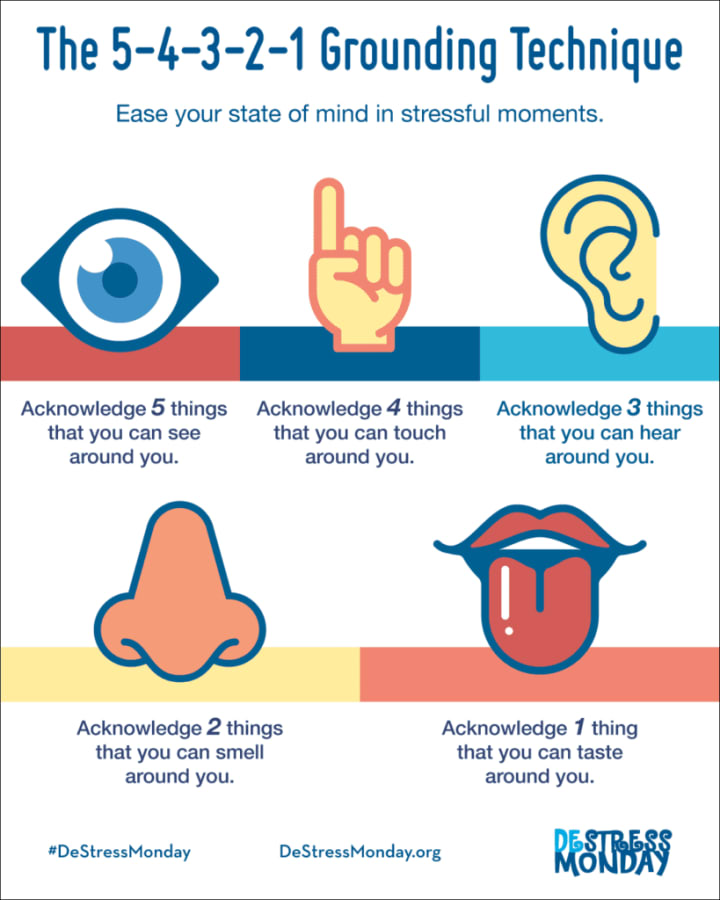
1. The 54321 Grounding Technique
This method is perfect when you feel overwhelmed or anxious. It gently pulls your mind back to the present by anchoring you in your senses.
5: Look around and name five things you can see
4: Acknowledge four things you can touch
3: Identify three things you can hear
2: Notice two things you can smell
1: Say one thing you can taste
🧘♀️ Why it works: Stress often takes us into our thoughts or worries. This method brings us back into our bodies and surroundings — creating calm in seconds.
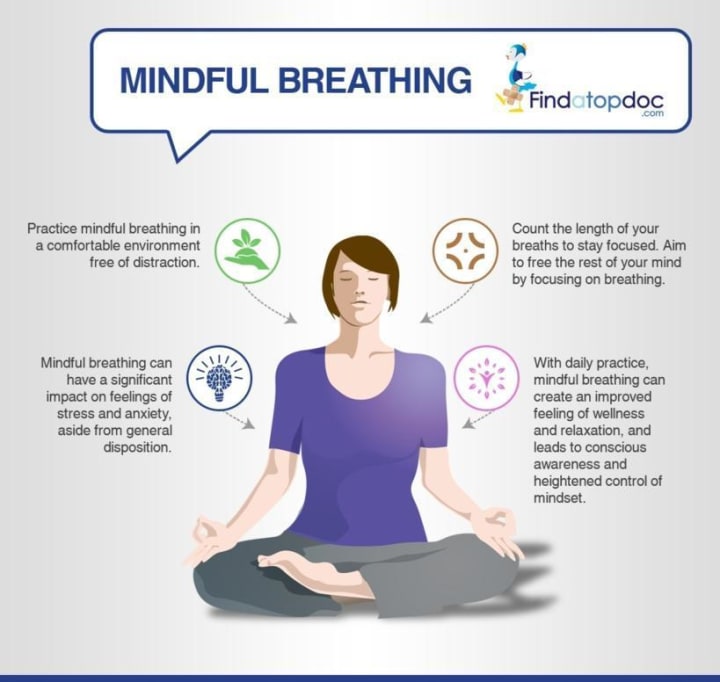
2. OneMinute Breathing Breaks
You don’t need to meditate for an hour. Even 60 seconds of mindful breathing can reset your nervous system.
Try this:
Inhale for 4 seconds
Hold for 4 seconds
Exhale for 6 seconds
Repeat for one minute
📌 Tip: Set a gentle alarm or reminder to do this three times a day — morning, midday, and evening.
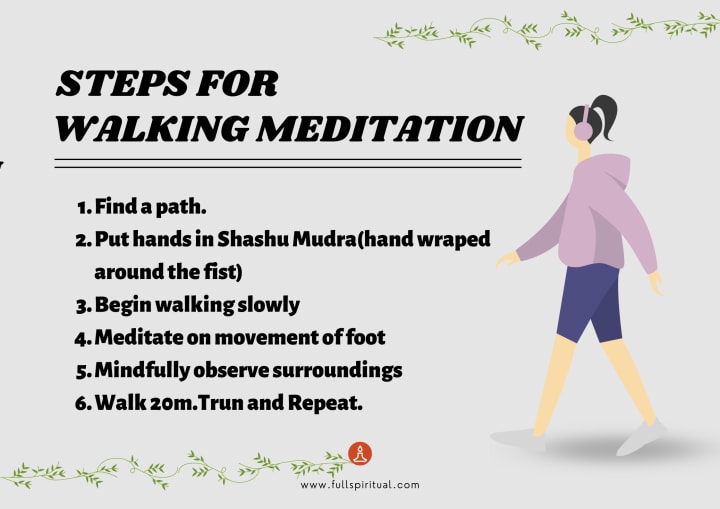
3. Mindful Walking
Walking isn't just transportation — it can be meditation. Try walking without your phone, music, or distractions. Focus on:
The feeling of your feet touching the ground
The rhythm of your breath
The sounds around you
The sensation of the breeze or sun on your skin
🌿 Why it works: This practice turns an everyday activity into a moving meditation, great for stress relief and emotional clarity.
4. The Body Scan
The body scan is a classic mindfulness practice that helps you notice where tension lives in your body.
How to do it:
Sit or lie down comfortably
Close your eyes and bring attention to your feet
Slowly “scan” up through your body — legs, stomach, chest, arms, neck, and face
At each point, ask: Is there tension here? Can I soften this area?
🛌 Best done before bed to promote better sleep and release stored stress.
5. Mindful Journaling
Mindfulness isn’t just internal — it can come out through your pen. Take 5–10 minutes a day to write freely. Some prompts to get started:
“Today, I felt stressed when…”
“Right now, I notice…”
“I am grateful for…”
📖 Why it helps: Writing creates emotional clarity and gives your thoughts a healthy place to land.
Why Mindfulness Works
Mindfulness activates the parasympathetic nervous system — the part of your body that tells you, “You’re safe. You can relax.” Regular mindfulness practice has been shown to:
Lower blood pressure
Reduce symptoms of anxiety and depression
Improve sleep quality
Enhance focus and productivity
Strengthen emotional resilience
And it’s not about perfection. You don’t need incense, silence, or lotus positions. You just need presence.
Final Thought: Small Pauses, Big Change
Mindfulness isn’t just a trend — it’s a return. A return to the present, to your breath, to your life as it unfolds moment by moment.
Start small. A minute here, a breath there. The more you practice, the more natural it becomes. In a world that demands constant motion, mindfulness gives you permission to slow down and soften — without losing your edge.
🧘♂️ Stillness doesn’t mean you’ve stopped. It means you’re finally moving at your own
Disclaimer:
This article is entirely original and created by me. All ideas, writing, and content have been developed without the use of any artificial intelligence or external content generation tools. Any referenced remedies are based on personal knowledge, cultural practices, and publicly available information.
About the Creator
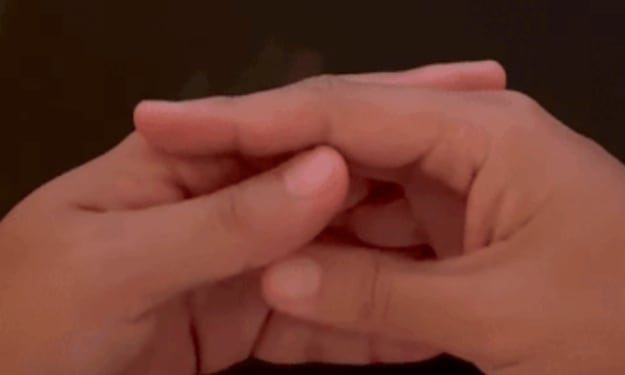
Twiddling Your Thumbs: A Simple Habit That Offers Surprising Mental Health Benefits
Thumb twiddling has emotional benefits “Twiddling your thumbs” is an expression that means someone is doing nothing while passing the time away, or they are feeling bored or waiting. The phrase suggests wasting time or idleness but this simple repetitive motion of interlocking fingers and moving the thumbs together in a circular pattern is a self-soothing behavior that psychologists recognize as potentially beneficial for mental health well-being.
By Cheryl E Prestona day ago in Lifehack



Comments
There are no comments for this story
Be the first to respond and start the conversation.