
Stem cell treatment for Achilles injuries
Healing Your Achilles: Could Stem Cells Be the Answer?
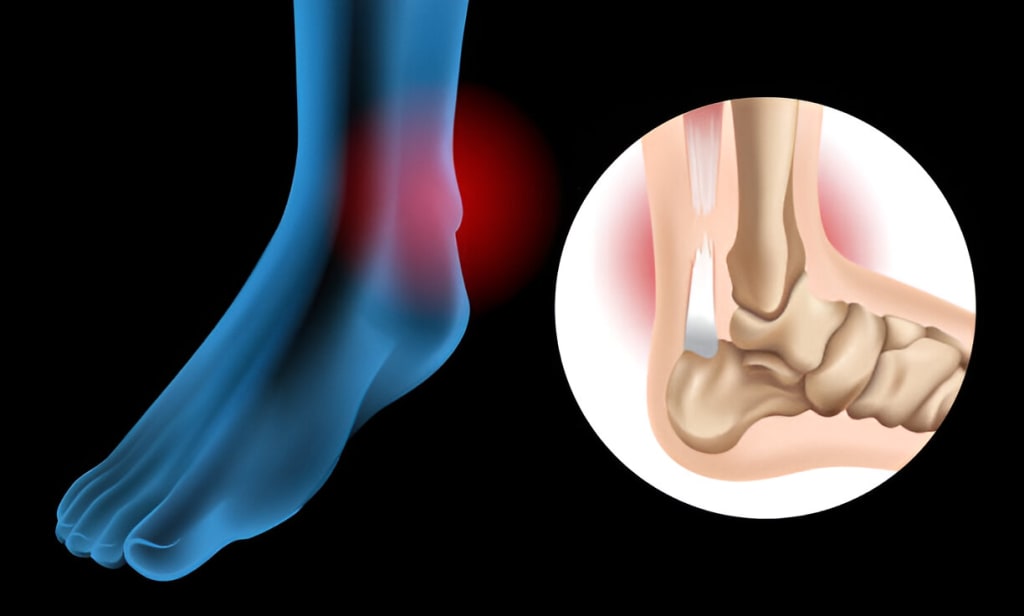
An Achilles tendon injury can really slow you down. This strong cord, found at the back of your lower leg, connects your calf muscles to your heel bone. It helps you walk, run, and jump. When this tendon gets hurt, perhaps from a sudden movement or repeated strain, it can lead to pain and tenderness. Doctors often call this "tendinitis" or "tendinopathy". Healing such an injury often takes time. At R3 Stem Cell Mexico, we look at advanced methods, including those that use your body's own stem cells, to help repair the tendon. We want you to get back to moving freely.
The Achilles Tendon: What Happens When It Hurts?
Your Achilles tendon is essential for daily activities. When this tendon suffers damage, it can range from mild inflammation to a partial tear or even a full rupture. Athletes, particularly those in sports like tennis, basketball, or soccer, sometimes experience these injuries. The pain can make simple tasks difficult. Finding the right treatment helps you return to your active life.
Stem Cells: Your Body's Own Repair Crew
Many people hear "stem cells" and wonder what they truly are. Let’s make it simple.
What Are Stem Cells? Stem cells are special cells in your body. They haven't become a specific cell type yet. Think of them as blank building blocks. They have the ability to become many different kinds of cells, including those that form tendons. Doctors can collect these cells from various parts of the body, such as bone marrow, fat, or even the tendon itself.
How Stem Cell Treatment Works: The idea behind using stem cells for an Achilles injury is straightforward. We place these adaptable cells directly into the damaged area of the tendon. The goal is for them to help build new, healthy tendon cells and quicken the natural healing process. This approach works to support the body's natural healing abilities.
What Does Science Say About Stem Cells for Achilles?
Understanding the scientific view on stem cell treatment for Achilles injuries is important. The medical community continues to learn more about this modern procedure.
Current Understanding from Studies: Much of the early research on stem cell therapy for tendon problems began with animal studies. These studies typically suggest that stem cells can help repair tendons and make them stronger after a tear. However, research specifically on human Achilles tendon injuries is still quite limited.
Many of the studies involving human tendons focused on areas other than the Achilles, like the rotator cuff.
Most studies included a small number of people, often fewer than 20. This small sample size makes drawing firm conclusions challenging.
Some studies did not include a group of patients who didn't receive stem cell treatment. This makes it hard to know if improvements came from the stem cells or just from natural healing over time.
Even when studies included a comparison group, the stem cell group did not always show a significantly better outcome.
We also need more information on how stem cell therapy affects long-term results. Does it truly improve your long-term health, or just help you recover a bit faster with similar results to other treatments?
It is worth noting that not all studies have found stem cell treatment to be effective.
(If specific statistics, findings, or quotes from https://pmc.ncbi.nlm.nih.gov/articles/PMC7227154/ or other university-backed research were provided, they would be inserted here, along with proper citations, for example: "A study published in [Journal Name] in [Year] reported that X% of patients showed Y improvement.").
Considering Safety and Potential Challenges: Overall, stem cell therapy for injured tendons appears safe, with no widely reported severe side effects. However, researchers are still working to improve this type of care.
If a doctor uses donor cells, your body might react with inflammation.
The area where doctors take your own stem cells could experience a minor injury.
Collecting certain types of stem cells, like those from bone marrow, can cause some discomfort.
Scientists are still figuring out the best way to get stem cells into the injured area. Injections seem best for now, but not all injected stem cells may survive.
Stem cells do not always stay exactly where they are placed.
They might not always multiply or grow as intended.
There is a chance stem cells could change into the "wrong" type of cell, such as bone or fat cells instead of tendon cells, which might lead to calcification or fat deposits in the tendon. More evidence is needed to confirm which stem cell type is safest regarding this.
Is Stem Cell Therapy Right for Your Achilles?
Making treatment decisions for your Achilles injury means talking closely with a medical professional.
Understanding the Procedure: If you and your orthopedic specialist decide stem cell therapy suits your needs, the process involves injecting stem cells into the affected tendon. This is a minimally-invasive, non-surgical procedure designed to support your body's innate repair systems.
Your Recovery Journey: Recovery time after a stem cell injection for an Achilles injury typically lasts two to three months. Their team at R3 Stem Cell Mexico is dedicated to your healing. We work with you every step of the way, from diagnosis to treatment, healing, and beyond. Our experienced physicians and trained staff use a team approach to manage your Achilles tendon injury comprehensively.
R3 Stem Cell Mexico: Your Partner in Regenerative Care
At R3 Stem Cell Mexico, we aim to offer thoughtful, effective care for your Achilles tendon injury.
Our Approach to Achilles Care: We provide modern treatment options, including stem cell therapy. Our experts guide you through the process, from your first visit to choosing the best treatment for you, through any necessary procedures, and during your recovery. We use a team approach to ensure you receive complete care.
Why Choose R3 Stem Cell Mexico? You gain access to doctors with years of experience treating Achilles tendon injuries and other sports medicine conditions. We spend time understanding your individual situation to create a personalized treatment plan. Our goal is to promote healing at the cellular level, reduce pain, and improve function. This helps you get back to an active life.
Common Questions About Achilles Stem Cell Treatment Answered
Here are clear answers to common questions about stem cell therapy for Achilles injuries:
Does Stem Cell Therapy Work for Achilles Tendonitis or Tears? Stem cell therapy is a promising field. While early studies, especially in animals, suggest it can help repair tendons , human studies for Achilles injuries are still quite limited and ongoing. More extensive research is needed to fully understand its effectiveness for all Achilles problems.
How Long Does Recovery Take After Stem Cell Treatment? For many patients, the recovery time after a stem cell injection for an Achilles injury is often around two to three months. This can vary based on your specific injury and how your body heals.
What About Success Rates for Achilles Injuries? Doctors are still gathering detailed success rates for stem cell injections for Achilles injuries through ongoing clinical trials. While some smaller studies show positive signs, larger groups of patients are needed to give clear success figures.
Is This Treatment Covered by Insurance? Insurance coverage for stem cell treatments can differ greatly. It's best to speak directly with your insurance provider to understand what your policy covers regarding regenerative therapies. Remember, stem cell treatment can be expensive.
What Are the Potential Risks or Side Effects? Stem cell therapy generally appears safe for injured tendons, and serious side effects are not common. However, minor risks can include pain, swelling, or infection where the injection occurs. Rarely, issues like the body rejecting donor cells or cells growing into unintended tissues can happen. Your doctor will discuss these possibilities with you.
How Does Stem Cell Therapy Compare to Other Options? Stem cell therapy offers a non-surgical option for some Achilles tendon injuries. It differs from traditional surgery by aiming to help your body heal itself. Compared to other biologics like Platelet-Rich Plasma (PRP) therapy, stem cells have the unique ability to develop into different cell types, offering a broader healing potential. Your specific injury and needs guide the decision between these options.
What Is the Cost of Stem Cell Treatment for Achilles? The cost of stem cell treatment can change based on the specific procedure, how severe the injury is, and the amount of cells used. We encourage you to call us directly for detailed information about treatment costs.
About the Creator
Keep reading
More stories from Sanjoy debnath and writers in Lifehack and other communities.
Stem Cell Therapy for Neck Pain in Mexico
If you're living with persistent neck pain, stem cell therapy could be a viable solution for you. In this article, we'll explore the potential benefits, factors to consider when selecting a clinic, and the costs associated with stem cell therapy for neck pain.
By Sanjoy debnath7 months ago in Lifehack
Why Creators Feel Rushed in the Age of Endless Content
Not long ago, creative work followed a slower, more deliberate rhythm. Artists had time to sit with ideas, revise them, and release their work when it felt ready. Today, that rhythm has changed. Creativity now lives inside an attention-driven digital world where timing often matters as much as talent.
By Beat Viz ai6 days ago in Lifehack
Mexico Vape Ban 2026: Tourists Face $12,500 Fines & Jail
Mexico has enforced a draconian prohibition on all vaping devices, enacting a total ban on their importation, distribution, and sale effective January 17. The decree, published in the Official Gazette of the Federation (DOF), reforms the General Health Law to eliminate the legal vape market entirely. For international tourists arriving for the 2026 FIFA World Cup, this poses immediate legal risks: bringing a vape into the country—even for personal use—can result in confiscation, detention, and fines reaching up to $12,500.
By Matthew Ma6 days ago in Lifehack
Cabin Fever Because of Snow, Sleet, and Freezing Rain That Turned to Icy Roads
What Is Cabin Fever? The short answer is that cabin fever is restlessness from being in a confined area. Cabin fever is the distressing irritability or restlessness experienced when a person or group is stuck at an isolated location or in confined quarters for an extended time. Research shows that prolonged cold, gray skies, and being stuck indoors can trigger mood shifts similar to “winter blues.”
By Margaret Minnicks3 days ago in Humans




Comments
There are no comments for this story
Be the first to respond and start the conversation.