
Solo Cycling: 9 Tips To Ensure Your Safety
Safe riding on the trail

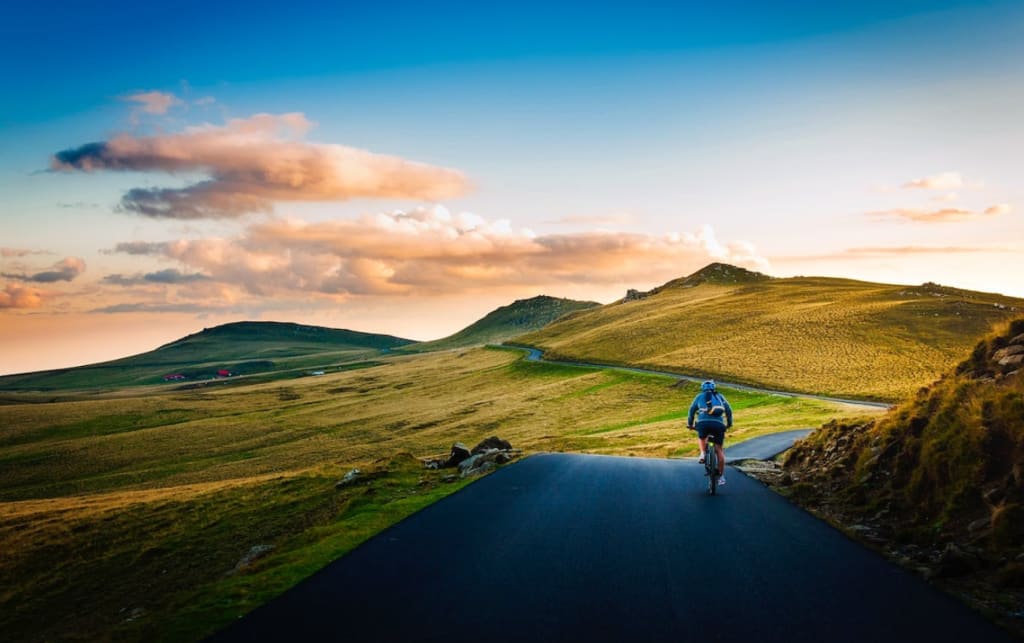
Over the recent years, the biking community has nearly tripled, with men and women, young and old coming together to celebrate their love for the culture.
Bikers are supported by society, having come up with self-help groups and even access to bike-specified parking. Additionally, riding with friends and family makes mountain biking experiences more enjoyable.
However, you don't have to wait for group rides to enjoy your bike; biking solo can still benefit you. Here are tips you should consider before going on a solo ride.
1. A Planned Destination
Planning ahead always helps, especially if you’re embarking on a solo cycling trip. Having a planned finished line will give you, the rider, a goal to look out for, giving you time to arrange for all the essentials. An intended destination should help you set your GPS tracker if you need help with navigation.
However, if you are a new cycler, plan a short ride. Instead, take short trips that will not cause exhaustion and will help you familiarize yourself with the bike and the road. For more experienced riders, there is a need to take frequent rests on the way to stretch those legs and regain your energy.
2. Discover the Best Route
Once you are set on your destination, find out the best route; the best course is always considered the safest. Pick a road with paved surfaces and little traffic. Also, if you are a beginner mountain biker, always check for the terrains of the routes in order to make climbing easier. It makes a huge difference when you choose a route according to your biking abilities.
It would also be great to pick a route with great places to visit. You want your trip to be as enjoyable as possible. Such places are excellent stopovers to take a rest and have your snack. Remember to do your due diligence when researching these places and make sure your GPS tracker can locate them.
3. Have a Tracker
A tracker is a life-saving accessory for any biker riding solo. The tracker is handy when you are lost or looking for the shortest route. If you are using your phone as the tracker, ensure it is fully charged before embarking on the journey. You should also carry a power bank just in case your battery dies.
It is also wise to carry a paper map with you, apart from your GPS tracking device. The map will come in handy when your phone is dead or there is no service.
4. Carry a Tool Kit
Even after servicing your bike, you are still likely to face challenges with your bike during the ride. Such challenges may include loose bolts, flat tires, and motor breakdowns. Tool kits should come in handy during such times.
Taking short lessons from other riders on simple bike repair techniques is also best to help you maneuver such problems.
Your tool kit should be portable and of standard size. Essential equipment in your tool kit includes spanners, screwdrivers, pliers, and lubricating oil. These tools will help you solve common motorbike problems.
5. Carry a First Aid Kit
Essential to any rider, first aid kits should patch you up in case of injuries. Bike riding has its own set of hazards associated with it. Scrapes, cuts, and insect bites are one of the minor hazards your first aid kit will help take care of.
That said, ensuring your first aid is fully stocked with all necessary equipment before embarking on a trip is essential. It should keep your mind more at ease when riding.
Remember, however, that prevention is better than cure; therefore, wear gear that prevents the occurrence of minor incidents and always be focused on the road to avoid crashes.
6. Wear Safety Gear
Never underrate the power of wearing proper gear when going on rides, especially solo rides. Such equipment includes a padded helmet, gloves, and biking shoes. It is an excellent opportunity for you to dress the part, just like in the funk movies.
Safety gear will help make sure you are well protected in case of major and minor incidents. The helmet is incredibly excellent for preventing blows to the head in accidents. It will also be life-saving against bugs and insects that may obscure your vision and bite you.
Gloves help grip the handles and break, which is excellent for steering and control, especially when making corners.
7. Check Your Bike
Always make it a priority to check your bike before going on a ride. It will help solve problems you might have yet to notice. To make things easier, always have a systemic checklist. The checklist must include checking the wheels' pressure levels, the motor, the chains, the brakes' condition, and the lubrication oil.
If you plan on going on a long road trip, it's wise to take the bike for a more advanced check with a professional who will diagnose potential problems and fix them early enough. It will significantly contribute to your comfort during the ride.
8. Check the Weather
This tip should help you plan for a ride on a clear day. Clear skies allow you to enjoy the ride without worrying about storms. Remember to, however, be ready for a change in weather as the forecasts are only partially accurate. Carry a raincoat and some warm clothes to change into.
If you are a dare-devil, the forecast will inform you of the best time to chase that storm or dig into the mud. You must, however, remember to put your safety first. Such daring attempts are not also advised for newbie riders.
9. Pack Some Snacks
Whether you are planning a short or long trip, snacks will always have a place in the journey. Keep yourself full to generate energy and be hydrated. Therefore, it would be best if you carried as many snacks as possible for the ride and as much water as possible. Carry your credit card and cash for when you need to buy some in the stores on your way.
Final Thoughts
If you are looking forward to a solo ride on your mountain bike, these tips will help better prepare you to ensure your ride is successful.
Even with the above advice, it is always important to inform your close family or friend of your planned solo ride and give them details regarding the destination, the route you plan on taking, and the time you plan to take. If you change your mind, keep them in the loop on whatever is happening.
About the Creator
Lisa Galyon
Lisa is an incredible content writer and travel blogger. Being a creative individual, he also shows interest in the world travel and aims to make boring travel articles interesting. Apart from writing, he is also a successful businessman.
Keep reading
More stories from writers in Lifehack and other communities.


Comments (1)
Thanks for sharing, it's really appreciated. If you are a beginner, do not plan long trips and will not participate in competitions, choose the entry and amateur level. For long and extreme trips, a more reliable body kit is suitable. Athletes choose expensive top options. Here https://dream-bike.com you will always find an option for any need