
Smoke Detector Wiring Regulations: What Every Homeowner Needs to Know?
Deep Electric
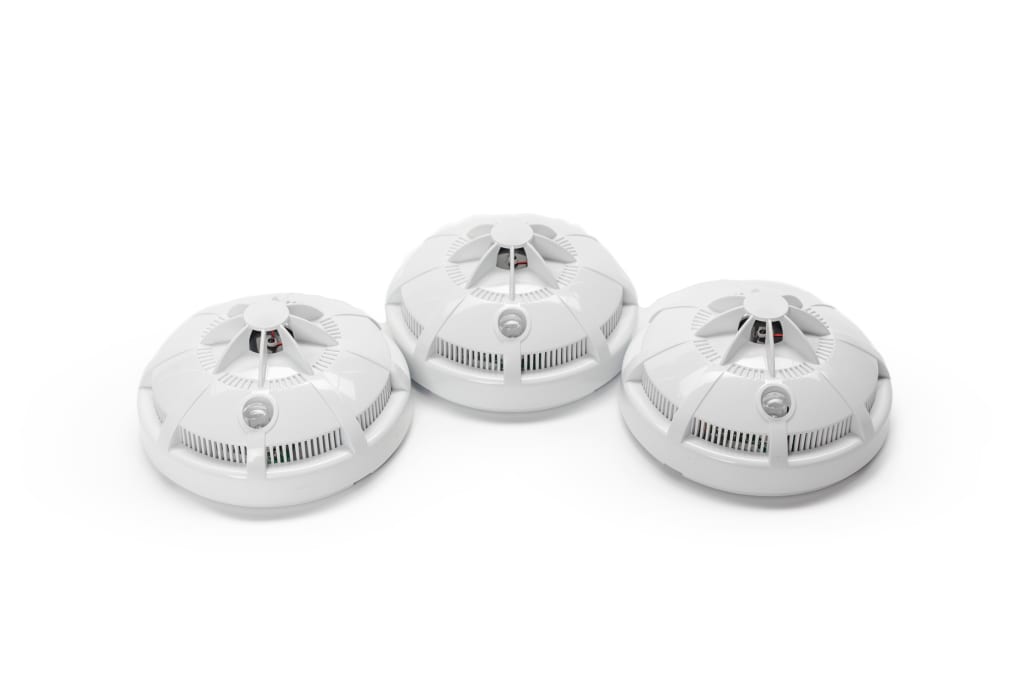
Smoke detectors are a critical part of home safety. They can alert you to smoke and fire before they become dangerous. However, proper installation and wiring are crucial to ensure they work correctly. This guide will help homeowners understand the wiring of smoke detectors and the important regulations that go along with it.
Why Smoke Detectors Are Important?
Smoke detectors save lives. According to the National Fire Protection Association (NFPA), a working smoke detector can cut the chances of dying in a fire by half. They provide early warning, giving you and your family time to escape. However, for smoke detectors to be effective, they must be properly wired and maintained.
Understanding Smoke Detector Wiring
The wiring of smoke detectors can seem complex, but it can be straightforward if you break it down. There are two main types of smoke detectors: battery-operated and hardwired.
1. Battery-Operated Smoke Detectors
Battery-operated smoke detectors are easy to install. You don’t need any special wiring; you just attach them to the wall or ceiling and insert batteries. However, you must regularly check and replace the batteries. A common mistake is to ignore this task, which can lead to a non-functioning smoke detector.
2. Hardwired Smoke Detectors
Hardwired smoke detectors are connected to your home's electrical system. This type is generally more reliable since they don’t rely on batteries. However, proper wiring is essential. These detectors should be installed by a qualified electrician to ensure compliance with local building codes.
Series vs. Parallel Wiring
When wiring hardwired smoke detectors, you have two options: series and parallel wiring.
• Series Wiring: In this setup, all detectors are connected in a line. If one detector goes off, it triggers all the others. This is useful in larger homes, as it provides an alert from any location.
• Parallel Wiring: Each detector is wired separately to the electrical circuit. This allows each unit to function independently. If one detector fails, the others still work.
Common Regulations
1. Placement: Smoke detectors should be installed on every level of the home, including the basement. They should also be placed inside each bedroom and outside sleeping areas.
2. Interconnected Systems: Many areas require smoke detectors to be interconnected. This means that if one alarm goes off, all alarms will sound. This feature is crucial for alerting everyone in the house.
3. Maintenance: Regular testing and maintenance are often required. This includes checking the battery in battery-operated models and ensuring hardwired models are functioning correctly.
4. Age Limitations: Some regulations state that smoke detectors must be replaced after a certain number of years, usually 10 years. Check your local regulations for specific guidelines.
Hiring Professionals
If you're unsure about the wiring of smoke detectors or local regulations, consider hiring a professional. Look for the best electric service near you to find qualified electricians in your area. They can ensure your smoke detectors are installed correctly and meet all regulations.
Final Thoughts
Understanding smoke detector wiring regulations is essential for every homeowner. Properly installed and maintained smoke detectors can save lives and protect your home. Whether you choose to install them yourself or hire a professional, always ensure compliance with local regulations. Regular testing and maintenance will keep your smoke detectors in top shape. Remember, your safety is worth the effort!
About the Creator
Keep reading
More stories from Deep Electric and writers in Lifehack and other communities.
Making Your Home Smarter with Modern Light Switches
In today’s world, technology is changing how we live. One of the easiest ways to make your home smarter is by installing modern light switches. These devices not only offer convenience but also enhance your home’s safety and efficiency. This blog will explore how modern light switches can transform your living space.
By Deep Electricabout a year ago in Lifehack
How we can make our body healthy
Introduction Health is the foundation of a happy and successful life. A healthy body not only allows us to work productively but also gives us the energy to enjoy every moment with family, friends, and ourselves. In today’s busy world, many people ignore their health, leading to diseases like obesity, diabetes, and heart problems. The good news is, by following simple steps, we can build a strong and healthy body.
By Ihtisham Ulhaq5 days ago in Lifehack




Comments
There are no comments for this story
Be the first to respond and start the conversation.