
Skin Effects After Increasing Melanin Naturally
The natural pigment that provides...

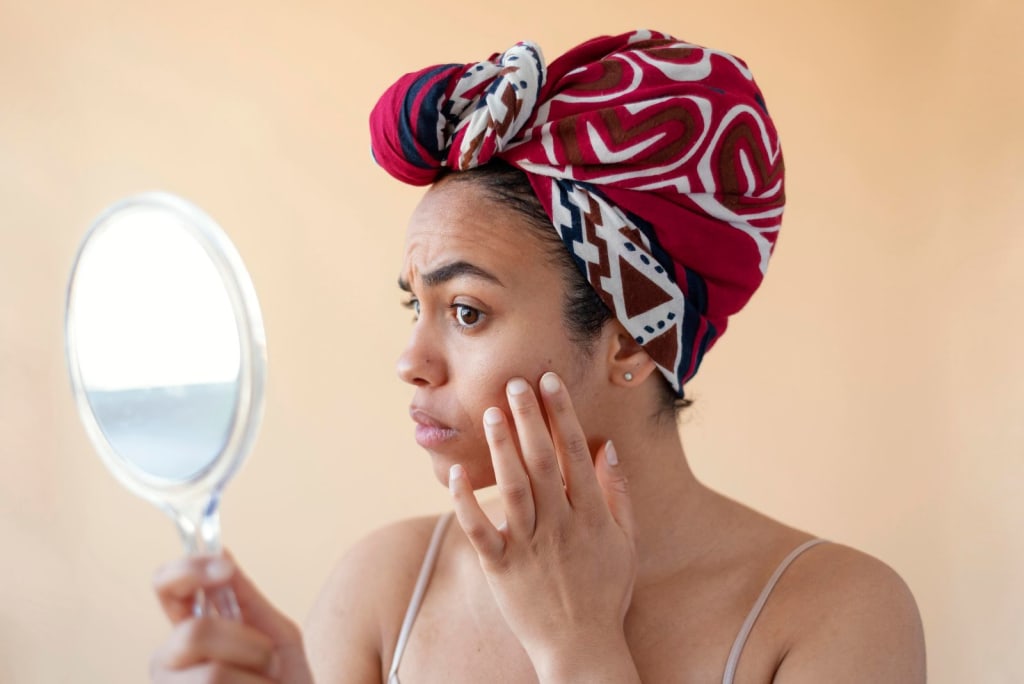
The natural pigment that provides our skin, hair, and eyes their color is called melanin. It is essential for protecting the skin from ultraviolet (UV) radiation's damaging effects. Increasing melanin synthesis naturally has gained popularity among those looking to enhance their skin's resistance or give it a more natural glow. However, when melanin levels increase, what precisely occurs to your skin? Let's examine how melanin can be increased naturally and the potential consequences.
The Function of Melanin
Specialized skin cells known as melanocytes produce melanin. Its primary function is to absorb and disperse UV radiation, serving as your body's natural sunscreen. Your skin is often more protected from sunlight and damage if you have higher melanin. Because of this, although they are still susceptible to UV damage, those with darker skin tones typically have a decreased risk of getting sunburned.
Natural Ways to Increase Melanin
Your body may produce more melanin if you use these natural methods:
1. Exposure to Sunlight
As your body attempts to defend itself against UV radiation, moderate sun exposure increases the creation of melanin. Because of the increased melanin, this frequently results in tanning, which darkens the skin. It's crucial to balance sun exposure with protection, such as helmets or mineral-based sunscreen, because excessive exposure can result in sunburn and raise the risk of skin cancer.
2. Nutrition and Diet
It is thought that the following nutrients aid in the formation of melanin:
- Vitamin A (found in leafy greens, sweet potatoes, and carrots)
- Nuts and seeds contain vitamin E.
- Copper (found in nuts, Mushrooms and seafood)
-An essential component of melanin, tyrosine is an amino acid included in dairy, soy, and meats.
3. Herbal Treatments
Although scientific data is still being gathered, some natural compounds, such as ginkgo biloba, green tea, and turmeric, are believed to promote skin health and may indirectly support melanin levels.
How Does Your Skin Change?
The most obvious result of your body naturally producing more melanin is a change in skin tone. This could show up as:
A natural tan is a darker tint and even skin tone that provides a "healthy glow." Enhanced sun tolerance: Skin may become less prone to burning and more resistive to sun exposure. Potential pigmentation spots: Uneven melanin synthesis can occasionally result in darker patches or freckles, particularly if sun exposure is irregular or severe.
Long-Term Support for Skin Health and Melanin
Although melanin can be increased naturally, improving pigmentation alone is not enough to maintain healthy skin. Long-term care is crucial because your skin is a living organ that represents your general health.
Hydration is really important. Skin that is properly moisturized enables melanocytes and other cells to perform at their best. A healthy skin barrier can be maintained by consuming adequate water and applying moisturizers containing natural components like shea butter or aloe vera.
Despite being frequently disregarded, stress management and sleep have a significant impact. Hormonal imbalances brought on by persistent stress and poor sleep can alter melanin distribution and skin tone. Incorporate relaxation methods like yoga, breathing exercises, or meditation and aim for 7 to 9 hours of sleep each night.
Steer clear of strong chemicals as well. Strong acids or bleaching agents found in many skincare products can gradually damage your skin by removing its natural pigment. Instead of suppressing your skin's natural behavior, use mild, natural formulations that help it.
Lastly, accept your tone as it is. Increasing melanin should not be done to meet beauty standards, but rather to improve the resilience and health of your skin. All skin tones are lovely, and the best sort of glow is one that is fed and healthy.
In conclusion
Excessive melanin can result in hyperpigmentation or uneven skin tone, yet a small amount can protect and improve your natural skin tone. Maintaining healthy melanin levels in your skin requires a balanced diet, UV protection, and hydration. Increasing melanin naturally through diet and moderate sun exposure can help shield your skin from UV rays and give it a glowing, sun-kissed appearance. However, as with skincare in general, balance is essential. Take good care of your skin, respect its boundaries, and let nature take care of the rest. Always be happy.
About the Creator
Salfah
Life is short. We don't even know what will happen a few minutes later. So, I decided to share my life experience with you. So, if anyone benefits from me that will be a blessing for me.
I Will Go Tomorrow
A man named Bahu lived in a peaceful village on the border of a forest. He was very well-known for being kind, friendly, and full of potential. However, Bahu also had a unique habit of saying, "I will go tomorrow," whenever someone asked him to do something so important or anything less important.
By Salfah9 months ago in Motivation
What to Expect From Mobile App Development Teams in Miami?
Miami’s tech ecosystem grew fast and unevenly. According to Statista, Florida’s digital economy expanded by over 17 percent between 2022 and 2025, pulling in agencies, freelancers, boutique firms, and offshore-linked teams at very different maturity levels.
By Mike Pichai7 days ago in Lifehack
The Guardian Geofence: Creating Dynamic Safe Zones for School, Sports, and Travel
The Guardian Geofence: Creating Dynamic Safe Zones Geofencing—creating virtual boundaries that trigger alerts—is one of the most powerful yet underutilized features of modern family safety. Moving beyond a single home alert, you can create a dynamic system of "safe zones" that automatically keeps you informed during daily routines and special trips.
By Olivia Martinez6 days ago in Lifehack
🅼🅸🅳🅽🅸🅶🅷🆃 🆂🅽🅰🅲🅺🆂
"It's 10 in Tuscon! We all know what that means... It's Time for Midnight Snacks with your man, Gerald Gee! Ready to spend the night together? Me too! I'm full of snacks and can't wait to regurgitate them all back into your hungry ears. Crack a brew! Pop some corn! Anything to get ready for one hell of a show where the talk maybe cheap but the words cut deep...
By Lamar Wiggins4 days ago in Fiction




Comments
There are no comments for this story
Be the first to respond and start the conversation.