
"Silent Killer Revealed: 10 Hidden Signs You May Have Kidney Disease!"
Silent killer

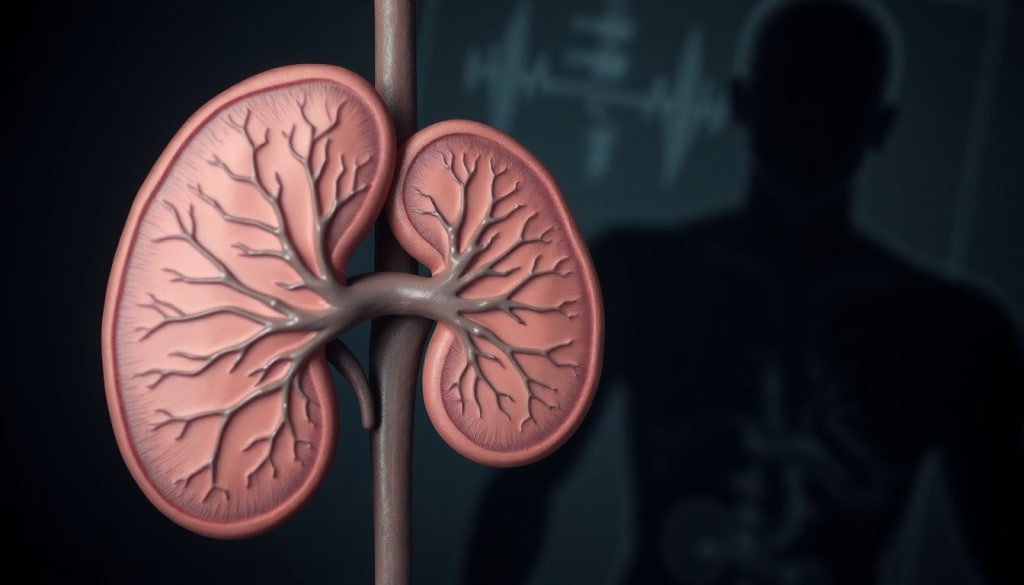
Silent Killer: 10 Ways to Tell if You Have Kidney Disease
Kidney disease affects around 37 million adults in the United States. Many people don’t even know they have it until it’s quite advanced. This silent condition can lead to serious health issues, impacting many aspects of one’s life.
This article outlines 10 critical signs and symptoms of kidney disease. Recognizing these early can support timely intervention and improve overall health.
Understanding Your Kidneys: A Quick Overview
Kidney Function Explained
Kidneys serve as the body’s filters. They remove waste from the blood and help balance fluids. Healthy kidneys help regulate blood pressure and produce hormones that maintain bone health.
Stages of Chronic Kidney Disease (CKD)
Chronic kidney disease progresses through five stages, based on how well the kidneys function:
Stage 1: Normal kidney function but other conditions present.
Stage 2: Mild decrease in kidney function.
Stage 3: Moderate decrease; complications often arise.
Stage 4: Severe decrease; preparation for dialysis may begin.
Stage 5: Kidney failure; dialysis or transplant required.
Risk Factors for Kidney Disease
Risk factors for kidney disease include:
Diabetes: A leading cause that affects blood sugar levels.
High Blood Pressure: Significantly impacts kidney health.
Family History: A genetic link may exist.
Age: Increased risk for older adults.
Statistics indicate that 1 in 3 adults in the U.S. is at risk for kidney disease.
10 Warning Signs of Kidney Disease
Swelling (Edema)
Swelling often occurs in the feet, ankles, or face. It may happen due to fluid retention when kidneys can’t remove enough waste. For example, consider someone who notices their shoes fitting tighter each day.
Fatigue and Weakness
Kidney disease can cause anemia, which decreases red blood cells and leads to constant tiredness. If daily activities feel overwhelming, it might be worth considering.
Changes in Urination
Watch for changes in how often you urinate, as well as the color and amount. Dark or bubbly urine can indicate kidney issues.
Persistent Itching
When waste builds up in your body, it can lead to dry and itchy skin. Dr. Smith, a nephrologist, notes, “Itching may signal kidney dysfunction and should not be ignored."
Muscle Cramps and Bone Pain
Kidneys regulate minerals like calcium and phosphorus. When they falter, you might experience cramps or bone pain. About 40% of patients report these symptoms.
Shortness of Breath
Fluid buildup can impact lung function, causing shortness of breath. If breathing feels difficult, especially when lying down, seek help.
High Blood Pressure
Kidney disease can both cause and be a result of hypertension. Research shows that untreated high blood pressure often leads to kidney damage.
Nausea and Loss of Appetite
As waste accumulates, it can cause nausea and loss of appetite. For instance, someone might avoid meals, feeling unwell after eating.
Metallic Taste in Mouth
Kidney dysfunction can alter taste perception, leading to a metallic flavor. It often discourages people from eating regularly.
Sleep Disturbances
People with kidney disease often experience poor sleep patterns, making it hard to achieve restful slumber. Lack of sleep can worsen other symptoms.
When to See a Doctor: Recognizing Urgent Symptoms
Severe Swelling
If swelling suddenly worsens, it could signal a dangerous condition. This requires immediate medical evaluation.
Sudden Changes in Urination
Any abrupt change in how much or how often you urinate should prompt a doctor visit.
Chest Pain or Difficulty Breathing
These symptoms are serious and could indicate grave complications. Do not delay seeking medical help.
Diagnostic Tests for Kidney Disease
Blood Tests (BUN, Creatinine, GFR)
These tests measure waste levels in the blood. High amounts can indicate kidney dysfunction.
Urine Tests
Analyzing urine can reveal valuable information about kidney health and help identify abnormalities.
Imaging Tests (Ultrasound, CT scan)
These scans help visualize kidney structure and identify any potential issues.
Managing and Preventing Kidney Disease
Lifestyle Modifications
Making healthy choices is vital. Focus on:
Diet: Eat fresh fruits, vegetables, and control sodium intake.
Exercise: Aim for at least 30 minutes most days.
Weight Management: Maintain a healthy weight to reduce risks.
Medication Management
If you have high blood pressure or diabetes, managing these conditions effectively is crucial. Medications can help control symptoms and protect kidney function.
Regular Checkups
Seeing your doctor regularly is essential for early detection. Dr. Jane, a health expert, emphasizes, “Routine checkups save lives by catching problems early.”
Conclusion: Protecting Your Kidney Health
Recognizing these 10 warning signs can make a significant difference. Early detection and timely intervention are key in managing kidney health. Don’t wait; schedule a checkup with your doctor today to safeguard your kidney function and overall well-being.
About the Creator
Story silver book
I'm a freelance writer. I'm a great communicator, with excellent writing skills and the ability to adapt to any situation.
Keep reading
More stories from Story silver book and writers in Lifehack and other communities.
"Boost Your Fast Sperm Count: Secrets to Speed Up Fertility!"
Boost Your Sperm Count Fast: A Guide to Effective Strategies Low sperm count can be a pressing issue, causing concern for many men. The journey toward parenthood may feel uncertain when faced with fertility challenges. Understanding how to boost sperm count quickly can provide hope and inspire action.
By Story silver book about a year ago in Lifehack
The Forsyth House Fire
Since 1851, Forsyth House has stood on the corner of Union Street and Gordon Street in the heart of Glasgow. Its iconic, or was... because on Sunday 8th of March, 2026, a fire broke out in a small, seemingly un-named shop in the building and tore all that history down. As I write, the rubble is still unsettled and the street is still blocked off. Central Station is quiet on the upper level, and around 30 small businesses have quite literally gone up in smoke.
By S. A. Crawford2 days ago in The Swamp




Comments
There are no comments for this story
Be the first to respond and start the conversation.