
Should you get your indoor air quality tested
How are indoor air quality tests done and what do they accomplish
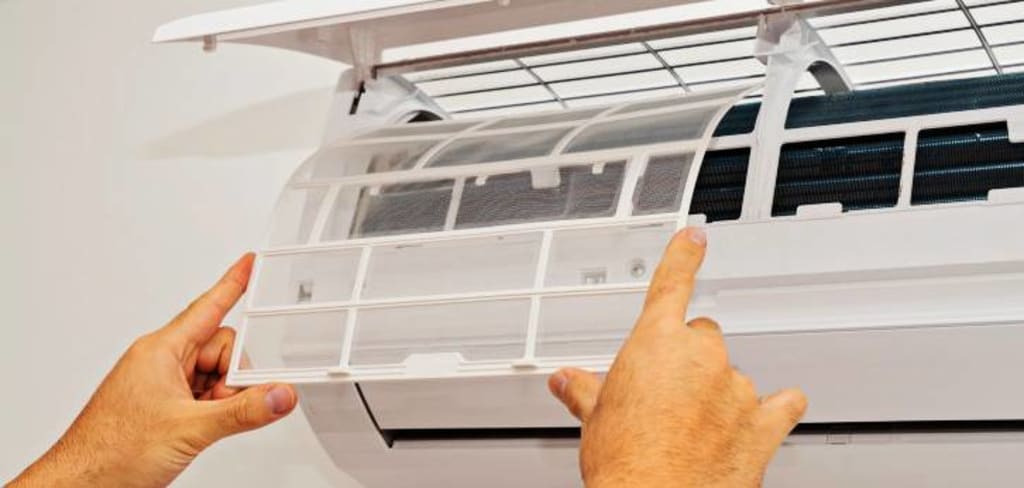
Indoor air quality depends on the environment of the property. If you live near a highway or a busy street, chances are you indoor air quality is not as clean as that of a mountainside cottage.
And since the only difference between the air in our lungs and that which is indoors is its location, getting your indoor air tested makes sense in terms of safety and better health.
How are indoor air quality tests done and what do they accomplish
The air we breathe is directly related to the condition of the body, lungs and overall quality of life. A heavy, dust filled air will inevitably affect the lungs and their capacity to provide oxygenation to the blood, which can result in steady lost of cognitive function and muscle weakness – this being the worst case scenario.
Air quality really depends on the season, how long ago air vent cleaning has been performed and the condition of the HVAC system’s filters. As a rule of thumb, pure air is considered that which does not have any particulates larger than 3000 microns or which does not contain any hard chemical substances which solvents can leave behind.
Dust is everywhere, even if you’ve just cleaned your property, most likely there’s still dust on some surfaces and that’s totally natural. What is may not be natural is the contents of said dust.
Rough airborne particulates, like the ones found in most general dust, are tiny enough to enter the air stream and affect upper pathways. In small doses they are harmless, mostly causing sneezing – after all the body is equipped for dealing with them.
However, in larger doses they can cause serious respiratory issues and prolonged exposure may lead to permanent lung damage. Now, this is in extreme cases and it might be quite rare in residential areas, however, dust damage on lungs and upper pathways may accumulate even if you don’t live near a quarry.
The chemical analysis of the dust and air contents reveals the full picture and allows you to understand exactly what you are breathing. Any solvents and chemicals entering the air in lungs will get incorporated into the blood stream, burdening the body, liver and kidneys.
Who can perform an indoor air quality test
A proper air quality test should be done only by a certified company, which has gone through the training process and is accredited for the expertise.
Since this is a specialized procedure, it should be done by a specialized service provider such as GCD Restoration. They’ve been around for more than 15 years, providing health services for San Francisco residents, guiding them to a better solution for the poor indoor air quality.
The process takes a couple of hours, but will determine if further services are required like air vent cleaning or mold removal. To determine the chemical composition of the property’s air, two unique samples are taken, then sent to a laboratory for an in-depth analysis.
If the presence of any harsh chemicals, pollens or mildew spores is detected in an exceeding quantity, further assistance is required in order to purify the air. This will entail cleaning out the air vets and disinfecting any affected areas with powerful purifiers which take out any heavy chemicals and large dust particulates.
How often should indoor air quality testing be done
If you have not had your indoor air tested before, it’s a good idea to book a service since it might determine something that might be hazardous to your health. It’s generally recommended to have your air tested annually, the gathered data will show a pattern of air quality which will give you a good idea of what must be done.
Take the first steps of a healthier life, get a GCD Restoration indoor air quality test take care of your property and quality of life starting today.
About the Creator
Keep reading
More stories from Dobromir Panov and writers in Lifehack and other communities.
What Is Door-To-Door Transport
Door-to-door transport is a term used to describe the regular service of auto transport accommodations. This means that your vehicle will be picked up from your address, and dropped off- hopefully, at the other address directly, however, it’s not as simple as it sounds, and here’s why.
By Dobromir Panov4 years ago in Wheel



Comments
There are no comments for this story
Be the first to respond and start the conversation.