
Seoul's Most Comforting Soups: Traditional Korean Flavors to Warm Your Heart
Traditional Korean
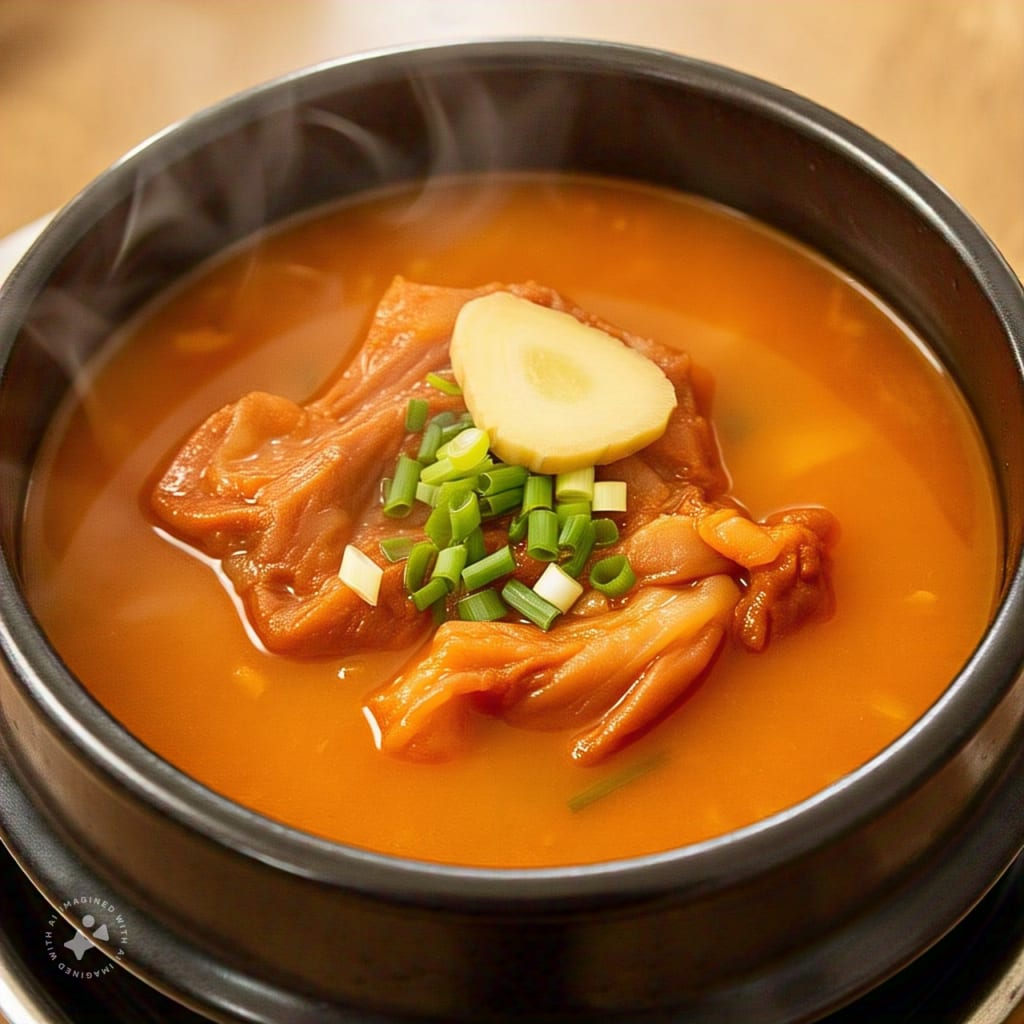
Seoul, the vibrant heart of South Korea, is a city that thrives on contrasts. It’s a place where cutting-edge technology meets timeless tradition, where neon-lit skyscrapers tower over ancient palaces, and where bustling street markets coexist with serene hanok villages. But perhaps nothing captures the essence of Seoul's rich culture better than its cuisine, particularly the array of comforting soups that have been perfected over centuries. These soups, deeply rooted in Korean history, are more than just a meal—they are a warm embrace on a chilly day, a remedy for the weary, and a celebration of the city’s rich culinary heritage.
In this guide, we’ll explore the most iconic Korean soups you must try in Seoul, uncovering their stories, flavors, and cultural significance. Along the way, we’ll also delve into how these comforting dishes connect with the city’s character, providing both a literal and metaphorical warmth.
The Soulful Connection: Seoul and Its Comforting Soups
Before diving into the specific soups, let’s take a moment to reflect on Seoul’s unique character and how it intertwines with these dishes. Seoul's winters can be biting, with icy winds sweeping through its modern streets and traditional alleyways alike. During these months, the warmth of a hearty bowl of soup becomes a shared solace for locals and visitors.
The city itself mirrors the qualities of its soups—layered, rich, and satisfying. Just as a bowl of samgyetang ginseng chicken soup restores energy and strength, Seoul rejuvenates its residents and visitors with its vibrant energy. Similarly, like the umami-packed depth of doenjang jjigae (soybean paste stew), the city offers layers of experiences, from bustling markets like Gwangjang Market to the peaceful retreat of Bukchon Hanok Village.
1. Samgyetang (Ginseng Chicken Soup): The Soul Healer
What Is It?
Samgyetang is a nourishing soup made with a whole young chicken stuffed with glutinous rice, ginseng, garlic, jujubes, and various medicinal herbs. It’s slow-cooked to create a light yet deeply flavorful broth that is believed to restore energy and boost immunity.
Where to Try It?
Visit Tosokchon Samgyetang, a beloved eatery near Gyeongbokgung Palace, famous for its authentic and hearty samgyetang. The restaurant’s traditional hanok setting enhances the experience, making you feel like you’ve stepped back in time.
Cultural Significance
Traditionally enjoyed during boknal—the hottest days of summer—this soup is consumed to combat the heat with heat (iyeol chiyeol). However, its comforting qualities make it a year-round favorite, especially during Seoul’s frigid winters.
2. Kimchi Jjigae (Kimchi Stew): The Spicy Staple
What Is It?
This fiery red stew combines aged kimchi, pork (or tofu for a vegetarian option), and gochugaru (Korean red pepper flakes). The result is a tangy, spicy dish that pairs perfectly with steamed rice.
Where to Try It?
Head to Hangaram, a cozy spot in the vibrant Hongdae district, where their homemade kimchi jjigae is both robust and deeply satisfying.
Cultural Significance
Kimchi jjigae epitomizes Korean comfort food. It’s a dish that brings families together, often made with leftover kimchi, symbolizing resourcefulness and warmth.
3. Galbitang (Beef Short Rib Soup): The Royal Comfort
What Is It?
Galbitang features tender beef short ribs simmered with radish, garlic, and green onions in a clear, savory broth. The simplicity of its ingredients belies the richness of its taste.
Where to Try It?
Experience the regal flavors of galbitang at Byeokje Galbi, located in Gangnam, known for its high-quality beef and elegant presentation.
Cultural Significance
Historically a dish reserved for royalty and special occasions, galbitang has become a beloved comfort food for anyone seeking a soothing and hearty meal.
4. Doenjang Jjigae (Soybean Paste Stew): The Earthy Classic
What Is It?
This stew is made with doenjang (fermented soybean paste), tofu, vegetables, and often seafood or beef. Its robust, umami flavor is a testament to the depth of Korean fermentation traditions.
Where to Try It?
Stop by Jongno Jjigae Alley, where numerous small eateries specialize in homestyle stews, including doenjang jjigae.
Cultural Significance
A cornerstone of Korean home cooking, doenjang jjigae is a daily staple for many families. Its comforting aroma and earthy taste make it a symbol of hearth and home.
5. Seolleongtang (Ox Bone Soup): The Humble Elixir
What Is It?
Seolleongtang is a milky-white soup made by boiling ox bones, brisket, and shank for hours. Served with sliced beef and green onions, it has a delicate yet deeply satisfying flavor.
Where to Try It?
Visit Imun Seolleongtang, Seoul’s oldest restaurant specializing in this dish. Located near Jongno, it has been serving seolleongtang since 1902.
Cultural Significance
This dish originated during the Joseon Dynasty and was created to feed large groups of people economically. Today, it remains a symbol of warmth and community.
6. Tteokguk (Rice Cake Soup): A New Year’s Tradition
What Is It?
A light broth with sliced rice cakes (tteok) and garnished with beef, eggs, and seaweed, tteokguk is traditionally eaten during the Lunar New Year to symbolize prosperity and a fresh start.
Where to Try It?
Enjoy a bowl at Gwangjang Market, where you can also soak in the bustling atmosphere of one of Seoul’s oldest traditional markets.
Cultural Significance
In Korean culture, eating tteokguk on New Year’s Day is believed to add a year to one’s age. It’s a dish that’s steeped in tradition and hope for the future.
Seoul: A City That Warms the Heart and Soul
The essence of Seoul lies not just in its modern marvels or historical landmarks but in the warmth it offers—both in its people and its food. The city’s soups are more than just culinary delights; they are stories in a bowl, each one reflecting a facet of Seoul’s vibrant culture.
Whether you’re wandering through the neon-lit streets of Myeongdong, exploring the peaceful paths of Changdeokgung Palace, or braving the winter chill along the Han River, a bowl of soup in Seoul is never far away. These dishes serve as a reminder of the city’s spirit: comforting, resilient, and deeply connected to its roots.
So, the next time you find yourself in Seoul, let these traditional soups guide you through the city’s soul, one spoonful at a time.
About the Creator
Keep reading
More stories from writers in Lifehack and other communities.
Top 5 Best 1200-Watt countertop Microwave for easy meals
Tired of cold centers and hot edges when reheating dinner? A 1200-watt countertop microwave is the best solution that heats fast, stays even, and fits real plates without taking over the counter. I narrowed this down by comparing wattage, size, sensor features, and real buyer feedback from trusted brands like Panasonic, Toshiba, and Sharp.
By Mohammed mamunabout 19 hours ago in Lifehack
Why Your Next Bathroom Renovation Should Include Safety-First Fixtures
Bathroom renovations are often driven by aesthetics. Who doesn’t want sleek tile, modern vanities, or spa-like showers? But one of the most important considerations is frequently overlooked: safety. Because bathrooms combine water, hard surfaces, and frequent movement in tight spaces, they are among the most dangerous rooms in any home. Slips, falls, burns, and accessibility challenges are common, yet many of these risks can be dramatically reduced by incorporating safety-first fixtures during a renovation. Designing with safety in mind does not mean sacrificing style; in fact, today’s safety-focused bathroom fixtures are discreet, attractive, and often add long-term value to a home.
By Andrew Lemieux4 days ago in Lifehack
One Hard Thing
Stop me if you’ve heard this one before: You have the number, you know your schedule- you’ve even picked out the perfect day and time to make this appointment. Shoot, you’ve even picked out alternative days and times just in case their schedules can’t accommodate you!
By Taylor Rigsby5 days ago in Motivation



Comments
There are no comments for this story
Be the first to respond and start the conversation.