
SEO for Tourism: The Key to Success for Tourist Businesses
SEO for tourism helps businesses improve visibility, attract more travellers and drive organic traffic to their websites. By optimising local search and user intent, tourist companies can stay competitive in a growing industry.

Have you ever wondered why some travel businesses are always at the top of search results, while others seem to remain invisible despite having great services? Is it their ability to choose the right keywords, create engaging content, or is there a secret recipe that combines both? Let's take a closer look at the key factors that determine SEO success for tourism businesses and how you can boost your online presence.
Why is SEO for Tourism Businesses Important?
In today's digital world, travellers no longer visit brick-and-mortar travel agencies to book their trips. Instead, they search online for information, recommendations, and bookings. This shift in how people plan their travels means that mastering SEO (Search Engine Optimisation) is a must for any tourism business. SEO helps improve your website's visibility on search engines, making it easier for potential customers to find you.
For tourism businesses, whether you're offering tours, hotel bookings, or unique experiences, SEO can help you stand out from the competition. When done right, tourism SEO service ensures that your business shows up when travellers are searching for destinations or services like yours.
How SEO Boosts Tourism Businesses?
Tourism SEO involves optimising your website so that it ranks higher on search engines like Google. The goal is to attract organic traffic, meaning people find your website without paid ads. But SEO isn't just about keywords; it’s about creating a seamless online experience that answers the questions and needs of travellers.
Here’s a simple breakdown of the steps involved in SEO for tourism businesses:
1. Keyword Research for Tourism SEO
The first step is finding the right keywords for which people are searching. Keywords are the words or phrases travellers use to look for services like yours. For example, instead of just targeting "beach resorts," you might focus on "family-friendly beach resorts in Australia." This is a long-tail keyword, which is more specific and often results in higher-quality leads.
Using tools like Google Keyword Planner, SEMrush, or Ahrefs, you can discover what terms are popular in your niche. Incorporating these keywords naturally into your website content is essential to ranking higher in search results.
2. On-Page SEO: Perfecting Your Website
Once you have your keywords, the next step is to optimise your website for both search engines and users.
- Easy Navigation: Ensure your website is easy to navigate so visitors can find what they’re looking for quickly. Google also rewards websites that are well-organised.
- Compelling Content: Create helpful, high-quality content such as blog posts, destination guides, and tips that attract visitors and answer their questions. This builds trust and keeps users engaged.
- Media Optimisation: Use images, videos, and infographics to enhance your website’s appeal. Don’t forget to optimise these elements with keywords so that they rank in image searches too.
3. Off-Page SEO: Building Your Reputation
Off-page SEO refers to activities outside your website that can improve your rankings. For tourism businesses, this often means getting backlinks from other travel-related sites or getting mentions on social media. When reputable websites link to you, it boosts your site's authority in the eyes of search engines.
Encourage your happy customers to leave reviews on platforms like Google, TripAdvisor, and Yelp. Positive reviews improve your reputation and your ranking.
4. Local SEO: Attracting Nearby Travelers
Local SEO is important if your business caters to travellers who want to visit a specific destination. Optimising your Google Business Profile and using location-based keywords helps travellers find you when searching for services in their area.
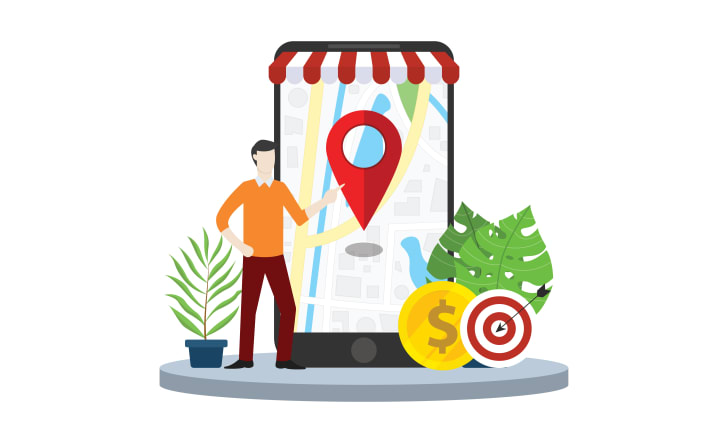
For example, if you're running a tour business in Sydney, you would optimise for keywords like "Sydney city tours" or "Sydney adventure trips." This will help local tourists and visitors from around the world find your business when they search for activities near them.
5. Mobile Optimisation: Catering to the On-the-Go Traveler
With the rise of smartphones, more people are searching and booking trips on mobile devices. Ensuring your website is mobile-friendly is crucial for improving user experience and SEO. A mobile-optimised website loads quickly and looks great on smaller screens, reducing bounce rates and improving engagement.
6. Track Your SEO Performance
After implementing your SEO strategies, it’s important to track your website’s performance. Tools like Google Analytics can help you measure key metrics such as website traffic, bounce rates, and conversion rates. By analysing this data, you can identify areas of improvement and adjust your SEO efforts to continue growing your online presence.
7. Stay Ahead of Emerging Trends
SEO is always evolving, and so is the tourism industry. Stay up-to-date with the latest trends like voice search, AI-powered search, and personalised experiences. By embracing these changes, your tourism business can continue to adapt and thrive in a competitive market.
How to Find the Best SEO Service Provider for Your Tourism Business?
Choosing the right SEO service provider for your tourism business can be a game-changer in achieving long-term success. Here are some key points to help you find the best SEO service provider for your needs:
- Look for Industry Experience: Choose an SEO provider with expertise in the tourism industry.
- Check Client Reviews and Testimonials: Research reviews to verify the provider’s reputation and success.
- Ensure Transparency and Clear Communication: Opt for providers who are clear about their strategies and progress.
- Evaluate Their Expertise in Local SEO: Ensure they understand local SEO to attract nearby travellers.
- Customised Solutions for Your Business: Find a provider who tailors strategies to your unique business goals.
- Evaluate Their Knowledge of Emerging SEO Trends: Choose a provider who stays updated with the latest SEO trends.
- Request a Detailed SEO Audit: Ask for a thorough audit to identify areas for improvement.
- Assess Their Content Strategy Expertise: Ensure they can create engaging, SEO-friendly content for your website.
Conclusion
In a world where travellers are increasingly relying on digital tools to plan their trips, mastering SEO is no longer optional for tourism businesses. Whether you’re targeting local customers or global travellers, a well-rounded SEO strategy can help your business grow and succeed in the competitive tourism market. With the right approach, tourism SEO services can help you reach the top of search results and make your mark in the digital travel space.
If you're ready to elevate your travel business and get noticed by more customers, consider investing in tourism SEO services that align with your business goals. This could be your key to winning the SEO game and boosting your digital footprint.
About the Creator
John Jenner
John Jenner is an expert in digital marketing who has worked for several Sydney-based agencies. He's passionate about social media, content and SEO strategies that he delivers well researched actionable resources to help you succeed!
Keep reading
More stories from John Jenner and writers in Lifehack and other communities.
How to Rank Higher on Google? A Guide for Florist SEO
The floral industry is huge, with over 21,000 florists in the United States alone, generating $35 billion in revenue every year. Despite the size of the industry, many florists struggle to attract new customers and grow their businesses. This is where florist SEO services can make a difference.
By John Jennerabout a year ago in Lifehack
A Priceless Lesson of Life
There was once a man who had four sons. He deeply wished that his sons would learn one of the most important lessons of life: never be quick to judge others. He believed that true understanding comes only with patience and time. To teach them this lesson in a meaningful way, he decided to send them on a journey.
By Sudais Zakwan5 days ago in Lifehack
The Devil's Cut
“Comrade, finally you’re awake.” The voice was smooth, sensual. A flickering incandescent bar was all that lit the white, sterile room. All Vladimir remembered was everything going black. He tried to move his arms and found them strapped to the gurney.
By Matthew J. Fromm7 days ago in Fiction




Comments
There are no comments for this story
Be the first to respond and start the conversation.