
🚨 Scams Are Rising Fast in New Jersey – Here’s How to Stay Safe
From fake phone calls to online shopping frauds, scams are evolving rapidly. Police and cybersecurity experts explain what’s happening, why it matters, and how residents can protect themselves.

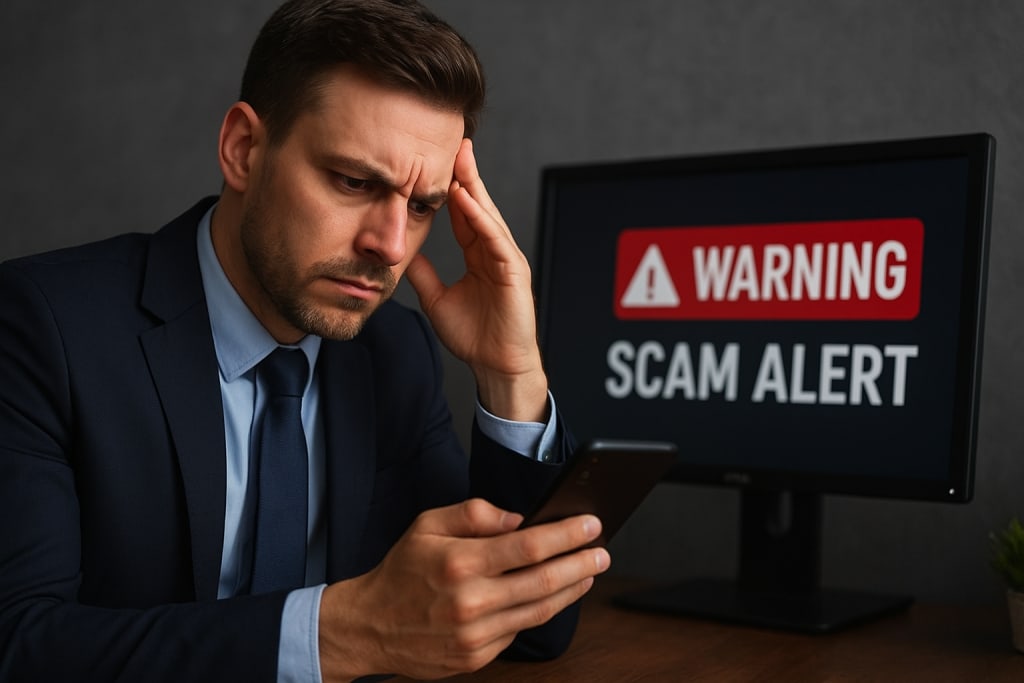
Introduction: A Silent Epidemic
If someone stole your wallet on the street, you’d probably notice right away. But when scammers strike online, victims often don’t realize until it’s too late. According to the Federal Trade Commission (FTC), Americans lost more than $10 billion to fraud in 2024, the highest number ever recorded. In New Jersey, police departments are reporting a steep rise in complaints ranging from phishing emails to fake online job offers.
Fraud isn’t just about stolen money—it’s about stolen trust. And the sad truth is that anyone can fall for it, no matter how tech-savvy they think they are.
Why Scams Are Growing So Fast
Scams aren’t new, but technology has turbo-charged them. Smartphones, online banking, and social media give criminals endless ways to reach victims directly. A few key reasons why scams are booming:
Easy Access to Technology: Voice-altering software, spoofed caller IDs, and AI-generated emails make scams look more real than ever.
Economic Stress: Rising inflation and job insecurity make people more vulnerable to “quick money” promises.
Global Reach: A scammer in another country can trick someone in New Jersey with just a text message.
The Most Common Scams in New Jersey
Here’s a closer look at the frauds making headlines—and stealing wallets—right now:
1. Phishing Emails and Texts
These are the digital “bait” that lure people into clicking fake links. For example, a Newark resident recently received a text saying her UPS package was delayed. When she clicked the link, it asked for her credit card to “reschedule delivery.” Luckily, she stopped before entering the information.
2. Phone Call Frauds (Vishing)
Scammers use fear to pressure victims. Calls claiming to be from the IRS or Social Security Administration are extremely common. They demand “immediate payment” or personal details, often threatening arrest if you refuse.
3. Online Marketplace Scams
Facebook Marketplace and Craigslist are filled with legitimate sellers—but also fraudsters. They advertise cheap electronics or furniture, ask for payment up front, and then disappear.
4. Tech Support Scams
Pop-up ads claiming “Your computer is infected—call Microsoft now” trick users into giving remote access. Once inside, scammers can install malware or demand money for fake repairs.
5. Romance & Relationship Scams
These scams are heartbreaking. Scammers build trust through months of online communication, then create fake emergencies: “I need money for medical bills” or “I can’t buy a ticket to visit you.” Victims often lose thousands of dollars—and their emotional well-being.
Global Trends: Not Just a Local Problem
Scams aren’t limited to New Jersey or even the U.S. The UK’s National Fraud Intelligence Bureau reports a 300% rise in investment scams, while Australia’s Scamwatch estimates citizens lost over $3 billion in 2023. The common thread? Criminals adapt to local culture and exploit the same universal human emotions: fear, greed, and loneliness.
The Psychology of Scams: Why Smart People Get Tricked
You might think, “I’d never fall for that.” But psychology tells a different story. Scammers exploit:
Urgency: “Act now or lose everything.”
Authority: Pretending to be officials, banks, or companies.
Greed/Opportunity: Promising lotteries, investments, or dream jobs.
Loneliness: Targeting people seeking connection.
Dr. Linda Chang, a behavioral psychologist, explains:
> “Scams work because they hijack emotions. By the time logic kicks in, the victim may have already shared personal details or money.”
The Impact: More Than Just Money
The damage extends far beyond financial loss:
Emotional trauma: Victims often feel ashamed, isolated, and reluctant to admit what happened.
Identity theft: Once personal information is stolen, criminals can open accounts, apply for loans, or commit crimes under the victim’s name.
Community trust: When scams go unreported, entire communities become more vulnerable.
The Future of Scams: What’s Next?
Experts warn that scams are becoming more sophisticated with the help of AI and deepfake technology. Imagine getting a voicemail in your boss’s exact voice, asking you to transfer funds. Or a video call where the person looks like your relative—but isn’t. These scenarios aren’t science fiction; they’re already happening in pilot cases worldwide.
How to Stay Safe: A Step-by-Step Checklist
1. Pause Before You Click – If a message feels urgent, that’s a red flag.
2. Verify the Source – Contact organizations directly using official websites or phone numbers.
3. Use Strong Digital Hygiene – Unique passwords, password managers, and two-factor authentication are must-haves.
4. Check Payment Methods – Avoid gift cards, wire transfers, or crypto for strangers—these are scammers’ favorites.
5. Educate Family and Friends – Talk about scams openly, especially with seniors and teenagers.
6. Report Immediately – FTC (ReportFraud.ftc.gov), NJCCIC, or local police. Fast reporting helps stop new scams.
Community Response in New Jersey
The New Jersey Cybersecurity & Communications Integration Cell (NJCCIC) has launched campaigns in schools, libraries, and senior centers. Workshops teach people how to spot fake emails and recognize scam calls.
Local banks are also adding alerts. For example, if someone tries to transfer an unusually large amount online, the bank may flag it and call the customer directly before approving.
Voices From the Community
Maria Lopez, who narrowly avoided a Social Security scam, says:
“I felt embarrassed at first, but sharing my story helped others in my family stay alert. We have to talk about this openly.”
Another resident, David Kim, wasn’t so lucky. He lost $4,200 in a fake crypto investment. “I thought I was being smart,” he admits. “But the website looked real. Now I double-check everything.”
Final Word: Awareness Is the Best Defense
Scams aren’t going away. In fact, they’re evolving. But that doesn’t mean we’re powerless. By slowing down, questioning what we see, and spreading awareness, we can shut the door on scammers.
Remember: real organizations will never pressure you into quick decisions. If something feels off, it probably is. Trust your instincts, verify the facts, and share knowledge with your community.
Staying safe online isn’t about paranoia—it’s about preparation. And the more informed we are, the harder it becomes for criminals to win.
About the Creator
AngelFace
✨ “I share mysteries 🔍, stories 📖, and the wonders of the modern world 🌍 — all in a way that keeps you hooked!”
Nature’s Pure Fuel: How Raw Plant-Based Eating Improves Health Naturally
Raw plant-based eating centers on foods that come directly from plants and are consumed in their natural state. The diet usually includes fresh fruits, vegetables, nuts, seeds, sprouts, and plant oils. Many people who follow this lifestyle avoid cooking foods above about 118°F because they believe that high temperatures may reduce the nutritional value of certain ingredients.
By Millicent Princeabout 11 hours ago in Lifehack


Comments (1)
Excellent, crucial article! The deep dive into the psychology of scams and the warning about AI deepfakes are particularly alarming and insightful. This isn't just a local NJ issue—it's global. What single scam do you all think is the hardest for the average person to spot today? I think the tech support ones are still deceptively simple. Stay safe!