
Sainsbury's Nectar Card Warning: Protect Your Points from Fraud in 2025
Protect your Sainsbury's Nectar Card points from fraud in 2025 with these essential tips. Learn about common scams, how to identify fraud, and safeguard your loyalty rewards effectively.

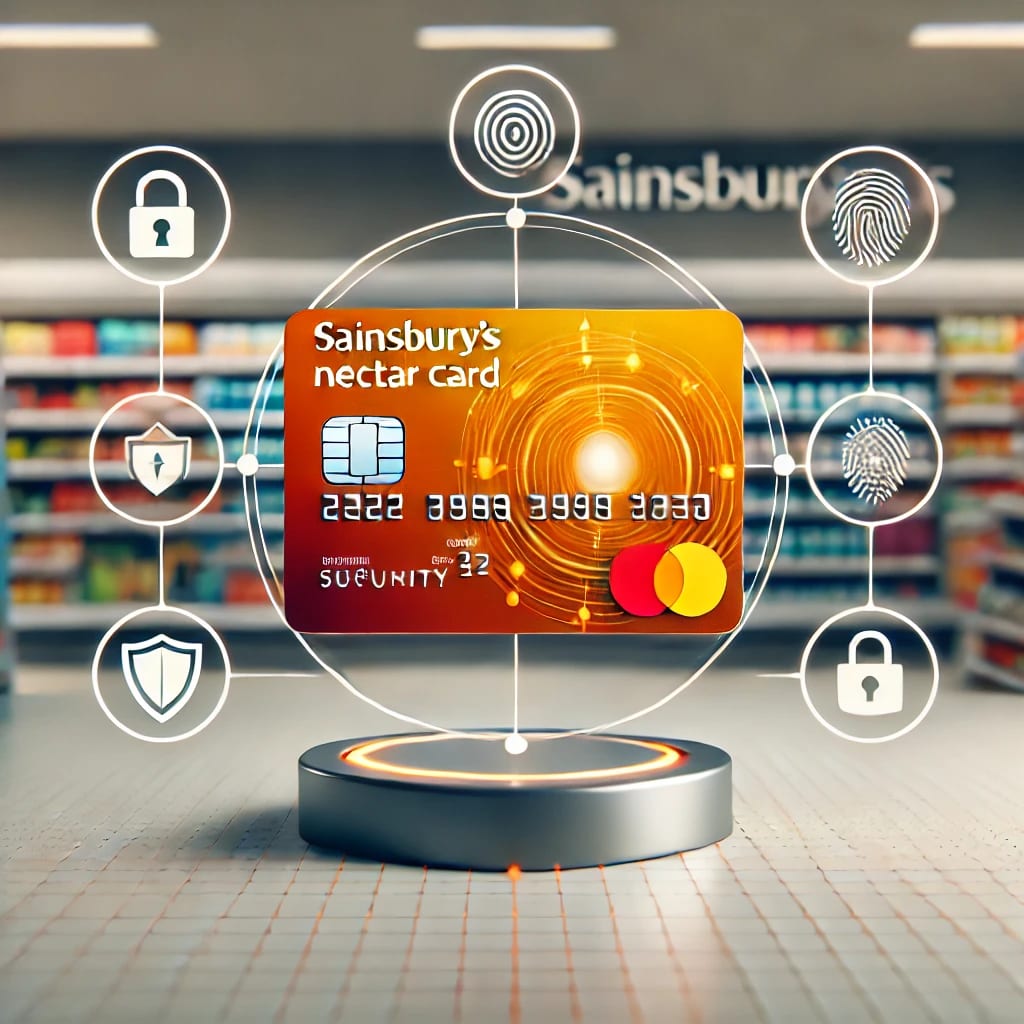
In 2025, loyalty programs like Sainsbury’s Nectar Card are more popular than ever, allowing shoppers to earn rewards and discounts on their everyday purchases. However, as the value of these points increases, so does the risk of fraud. Criminals are constantly devising new ways to exploit vulnerabilities in such programs, and Nectar cardholders must remain vigilant to protect their points from theft.
In this guide, we’ll explore the risks associated with Nectar card fraud, how to identify suspicious activities, and steps you can take to safeguard your hard-earned points. By staying informed, you can enjoy the benefits of your Nectar card without falling victim to fraudsters.
What Is Sainsbury’s Nectar Card?
Sainsbury’s Nectar Card is one of the UK’s most popular loyalty programs, allowing customers to earn points for every pound spent at Sainsbury’s and other participating partners, including Argos, eBay, and Esso. These points can be redeemed for discounts on shopping, travel, entertainment, and more.
For loyal shoppers, the Nectar Card represents significant savings. However, the high value of these points has made them a prime target for cybercriminals.
How Does Nectar Card Fraud Happen?
Fraudsters use various tactics to steal Nectar points, often by exploiting weak security measures or taking advantage of unsuspecting users. Here are some common methods:
1. Phishing Scams
Phishing scams involve fraudsters sending fake emails or text messages that appear to be from Sainsbury’s or Nectar. These messages often include links to counterfeit websites designed to steal your login credentials.
2. Account Hacking
Hackers can gain access to your Nectar account by guessing weak passwords or using stolen credentials from other data breaches. Once inside, they can transfer your points to their accounts or redeem them for goods and services.
3. Fake Customer Service Calls
Some fraudsters impersonate customer service representatives and call cardholders, asking for personal details, such as account numbers, PINs, or passwords. These details are then used to access your account.
4. Malware and Spyware
Malware installed on your device can monitor your online activities, including logging into your Nectar account. This information is then used to steal your points.
5. Physical Theft
Although less common, physical theft of Nectar cards can occur if someone gains access to your card and uses it for purchases or point redemption.
How to Identify Nectar Card Fraud
Detecting fraud early is crucial to minimising the damage. Keep an eye out for the following warning signs:
- Unexpected Account Activity: Check your Nectar account regularly for any unauthorised transactions or point redemptions.
- Login Alerts: If you receive notifications about logins from unrecognised devices or locations, this could indicate someone else is accessing your account.
- Suspicious Emails or Messages: Be cautious of any emails or texts claiming to be from Sainsbury’s or Nectar, especially if they ask for personal information.
- Declined Redemptions: If your points are missing when you try to redeem them, it could be a sign that they’ve been stolen.
Protecting Your Nectar Points: Essential Tips
To safeguard your Nectar points from fraud, follow these best practices:
1. Use Strong, Unique Passwords
Avoid using simple or easily guessable passwords for your Nectar account. Instead, create a strong password with a mix of letters, numbers, and special characters. Use a password manager to keep track of your passwords securely.
2. Enable Two-Factor Authentication (2FA)
Whenever possible, enable two-factor authentication on your Nectar account. This adds an extra layer of security by requiring a verification code sent to your phone or email whenever you log in.
3. Beware of Phishing Scams
Always verify the sender of any email or text claiming to be from Sainsbury’s or Nectar. Avoid clicking on suspicious links, and never provide your account details to unsolicited requests.
4. Monitor Your Account Regularly
Make it a habit to check your Nectar account for unusual activity. The sooner you spot unauthorised transactions, the quicker you can act to prevent further fraud.
5. Keep Your Contact Details Updated
Ensure your email address and phone number are up to date in your Nectar account. This ensures you receive alerts and notifications promptly.
6. Protect Your Devices
Keep your devices secure by installing antivirus software and keeping your operating systems updated. Avoid using public Wi-Fi to access sensitive accounts like Nectar.
7. Report Lost or Stolen Cards Immediately
If your physical Nectar card is lost or stolen, report it to Sainsbury’s customer service immediately. They can deactivate the old card and issue a replacement.
What to Do If You’ve Been a Victim of Nectar Card Fraud
If you suspect your Nectar points have been stolen or your account has been compromised, take the following steps:
1. Change Your Password
Log into your Nectar account and change your password immediately. Ensure the new password is strong and unique.
2. Contact Sainsbury’s Customer Service
Reach out to Sainsbury’s or Nectar support to report the fraud. They can help investigate the issue, lock your account, and potentially recover stolen points.
3. Monitor Other Accounts
If your Nectar account credentials are the same as those used for other online accounts, change those passwords as well. This prevents further damage from credential-stuffing attacks.
4. Be Vigilant for Further Scams
Fraudsters may target you again after an initial breach. Be wary of unsolicited calls, emails, or texts, even if they seem legitimate.
The Role of Sainsbury’s in Fighting Fraud
Sainsbury’s is aware of the growing threat of fraud and has implemented measures to protect its customers. These include:
- Advanced Encryption: Protecting customer data with robust encryption technologies.
- Fraud Detection Systems: Monitoring accounts for unusual activity and flagging potential fraud.
- Customer Education: Providing resources and tips to help customers protect their accounts.
Despite these efforts, the responsibility for account security is shared between Sainsbury’s and its customers. Staying informed and proactive is key to preventing fraud.
Looking Ahead: Loyalty Programs in 2025
As digital transactions continue to grow, loyalty programs like Nectar face increasing challenges in maintaining security. Here are some trends we can expect:
1. Biometric Authentication
Fingerprint or facial recognition could become standard for accessing loyalty accounts, adding an extra layer of security.
2. Enhanced Fraud Detection
AI-powered fraud detection systems will become more sophisticated, identifying threats in real time.
3. Blockchain Technology
Some companies may adopt blockchain to create tamper-proof loyalty systems, reducing the risk of fraud.
4. Customer Empowerment
Retailers will invest in educating customers about online security, making them active participants in fraud prevention.
Conclusion
The Sainsbury’s Nectar Card is a fantastic way to save money and enjoy rewards, but it’s also a potential target for fraudsters. By staying vigilant, adopting strong security practices, and acting quickly if you suspect fraud, you can protect your hard-earned points in 2025 and beyond.
Remember, your Nectar points are valuable, and it’s worth taking a few extra steps to keep them safe. Stay informed, stay secure, and enjoy the benefits of your loyalty program without worry.
About the Creator
Minecraft APK Download (Android, Pro Unlocked)
Fast free Minecraft APK Download for Android. Get Minecraft Pocket Edition, mods, and the latest version. Enjoy building and exploring in Minecraft PE. NBS Reborn APK.
Keep reading
More stories from Minecraft APK Download (Android, Pro Unlocked) and writers in Lifehack and other communities.
Navigating HMRC's Bank Savings Warnings: A Comprehensive Guide for UK Savers
In recent times, many UK savers have been caught off guard by unexpected tax bills due to delays in communication from HM Revenue & Customs (HMRC). These unforeseen liabilities have arisen primarily because increased interest earnings have pushed individuals beyond their tax-free savings allowances. This article delves into the intricacies of the Personal Savings Allowance (PSA), the implications of delayed HMRC notifications, and strategies to mitigate unexpected tax bills.
By Minecraft APK Download (Android, Pro Unlocked)about a year ago in Lifehack
EMR Billing Solutions: A Complete Guide for Modern Healthcare Practices
Healthcare providers today face mounting administrative pressures alongside rising operational costs. Accurate documentation, timely claim submission, and regulatory compliance are critical for financial stability. EMR billing solutions offer an integrated approach that connects clinical records with revenue cycle management, improving efficiency and reimbursement outcomes.
By Tracee Jones7 days ago in Lifehack




Comments
There are no comments for this story
Be the first to respond and start the conversation.