
Navigating HMRC's Bank Savings Warnings: A Comprehensive Guide for UK Savers
Many UK savers face unexpected tax bills due to delayed HMRC notifications and rising interest rates pushing them beyond tax-free allowances.

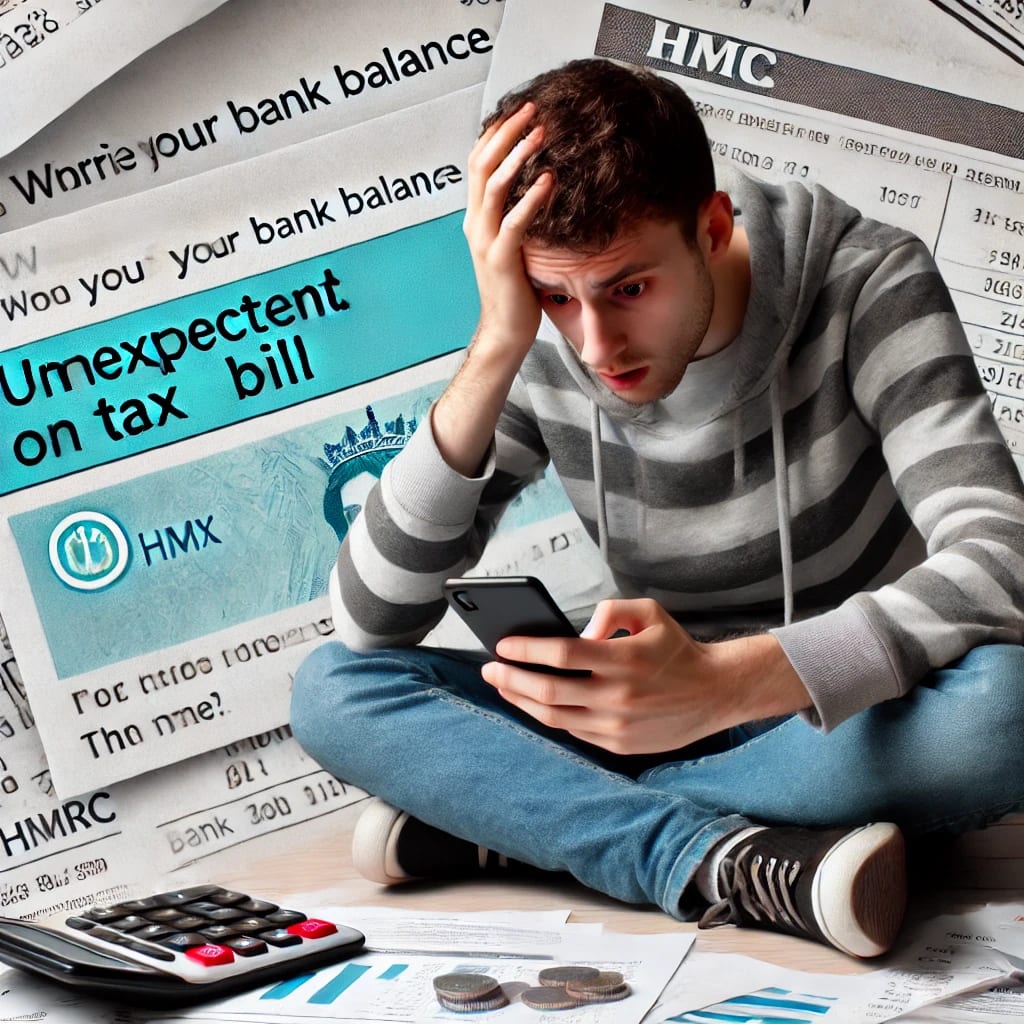
In recent times, many UK savers have been caught off guard by unexpected tax bills due to delays in communication from HM Revenue & Customs (HMRC). These unforeseen liabilities have arisen primarily because increased interest earnings have pushed individuals beyond their tax-free savings allowances. This article delves into the intricacies of the Personal Savings Allowance (PSA), the implications of delayed HMRC notifications, and strategies to mitigate unexpected tax bills.
Understanding the Personal Savings Allowance
Introduced in 2016, the Personal Savings Allowance (PSA) allows taxpayers to earn a certain amount of interest on their savings without incurring tax liabilities. The allowance is structured as follows:
- Basic-rate taxpayers (20%): Up to £1,000 in savings interest tax-free annually.
- Higher-rate taxpayers (40%): Up to £500 in savings interest tax-free annually.
- Additional-rate taxpayers (45%): No PSA available.
It's important to note that the PSA applies to interest earned from various sources, including bank and building society accounts, unit trusts, and peer-to-peer lending. However, with rising interest rates, many savers have unknowingly exceeded these limits, resulting in unexpected tax obligations.
The Impact of Rising Interest Rates
Over the past few years, the Bank of England has incrementally increased the base rate to combat inflation. This has led to higher interest rates on savings accounts, causing more individuals to surpass their PSA thresholds. For instance, in January 2022, an instant access savings account typically offered an interest rate of around 0.06%. By January 2024, this rate had risen to approximately 2.81%. Consequently, savers with substantial deposits are now more likely to exceed their PSA, leading to potential tax liabilities.
Delayed P800 Letters and Their Implications
HMRC typically issues P800 letters by November to inform taxpayers of any overpaid or underpaid taxes. However, due to a higher-than-anticipated volume of information regarding savings interest, HMRC has extended this period to March. Consequently, many individuals may not be informed about their tax liabilities until just before deductions commence in the new tax year. This delay could mean taxpayers will be alerted to owing additional tax just days before deductions from their salaries.
Estimating the Number of Affected Savers
Data indicates that approximately 2,070,000 individuals are expected to owe tax on their savings interest in the 2024/25 tax year. Of these, around 954,000 are basic-rate taxpayers who may not have anticipated such tax liabilities. The total amount owed is estimated to be in the billions, underscoring the widespread nature of this issue.
The Role of Banks and Building Societies
Banks and building societies are required to submit details of untaxed interest to HMRC after the tax year ends. Once HMRC receives this information, they adjust tax codes accordingly and issue calculations for any underpaid tax. This automated process means that even if savers are unaware of their tax liabilities, HMRC will eventually catch up, potentially leading to unexpected deductions from salaries or pension payments.
Strategies to Mitigate Unexpected Tax Bills
To avoid unforeseen tax liabilities, savers can consider the following strategies:
- Utilize Tax-Advantaged Accounts: Investing in Individual Savings Accounts (ISAs) allows individuals to earn interest tax-free. As of the current tax year, up to £20,000 can be deposited annually into ISAs. This strategy can help savers keep their interest earnings within tax-free limits.
- Monitor Interest Earnings: Regularly reviewing interest accruals can help savers stay within their PSA limits. By keeping a close eye on their accounts, individuals can make informed decisions about where to allocate their funds to minimize tax liabilities.
- Maintain Accurate Records: Keeping detailed records of all interest earned ensures that individuals are prepared for any potential tax assessments. This practice can also help in identifying any discrepancies between the interest earned and the information reported to HMRC.
- Consider Joint Accounts: For couples, holding savings in joint accounts can be beneficial. Interest earned in a joint account is typically split equally between account holders, effectively doubling the PSA available to the couple.
- Delay Interest Payments: Some savings accounts offer the option to defer interest payments. By delaying interest payments to the next tax year, savers can manage the timing of their interest income to stay within PSA limits.
The Importance of Staying Informed
Given the evolving financial landscape, it's crucial for savers to stay informed about changes in tax regulations and interest rates. Regularly reviewing financial statements and understanding tax obligations can prevent unexpected liabilities. Additionally, consulting with financial advisors or tax professionals can provide personalized strategies to manage savings effectively.
Conclusion
The recent surge in unexpected tax bills underscores the importance of proactive financial management. By understanding the intricacies of the Personal Savings Allowance, monitoring interest earnings, and utilizing tax-advantaged accounts, savers can better navigate the complexities of the current financial environment and avoid unforeseen tax obligations. Staying informed and seeking professional advice when necessary can further aid in making sound financial decisions.
About the Creator
Minecraft APK Download (Android, Pro Unlocked)
Fast free Minecraft APK Download for Android. Get Minecraft Pocket Edition, mods, and the latest version. Enjoy building and exploring in Minecraft PE. NBS Reborn APK.
Keep reading
More stories from Minecraft APK Download (Android, Pro Unlocked) and writers in Lifehack and other communities.
The Snake in the Chinese Zodiac: A Guide to the Year of the Snake and Lunar New Year Celebrations
The Chinese zodiac, also known as Shengxiao, is a fascinating system that has been an integral part of Chinese culture for thousands of years. It consists of 12 animal signs, each representing a year in a 12-year cycle. Among these, the Snake holds a unique and intriguing position. As we approach Chinese New Year 2025, which marks the Year of the Snake, it’s the perfect time to explore the significance of this zodiac sign, its traits, and how it fits into the broader tapestry of the Chinese zodiac years. Whether you’re saying “Kung Hei Fat Choi” or celebrating the Lunar New Year, understanding the Snake’s role in the zodiac can add depth to your festivities.
By Minecraft APK Download (Android, Pro Unlocked)about a year ago in Lifehack
5 Best AI Tools for Women
A modern woman's life is full of tasks. We need to balance work, home, family, friends, and personal care. But with only 24 hours in a day, we often struggle to find time for our favorite activities because we need to plan what to cook for dinner or make a shopping list for the week. It can all feel overwhelming, but the load can be made lighter with the help of AI, as many of our daily tasks can be delegated to various AI assistants. What apps can help you spend more time on yourself? Read on to find out.
By Lesya Chumak7 days ago in Lifehack
Why Didn't Anyone Tell Us
Men, move along. This is not for you. This is for the women. I was forty-five when I began menopause. It is pretty young for that to be going on in a woman’s life, but I had undiagnosed PCOS, my entire life. Thank you to all the gynecologists I had seen my entire life. That in itself should encourage women to keep seeking second opinions, especially when you are not getting correct answers or any at all.
By Alexandra Grant2 days ago in Humans



Comments
There are no comments for this story
Be the first to respond and start the conversation.