
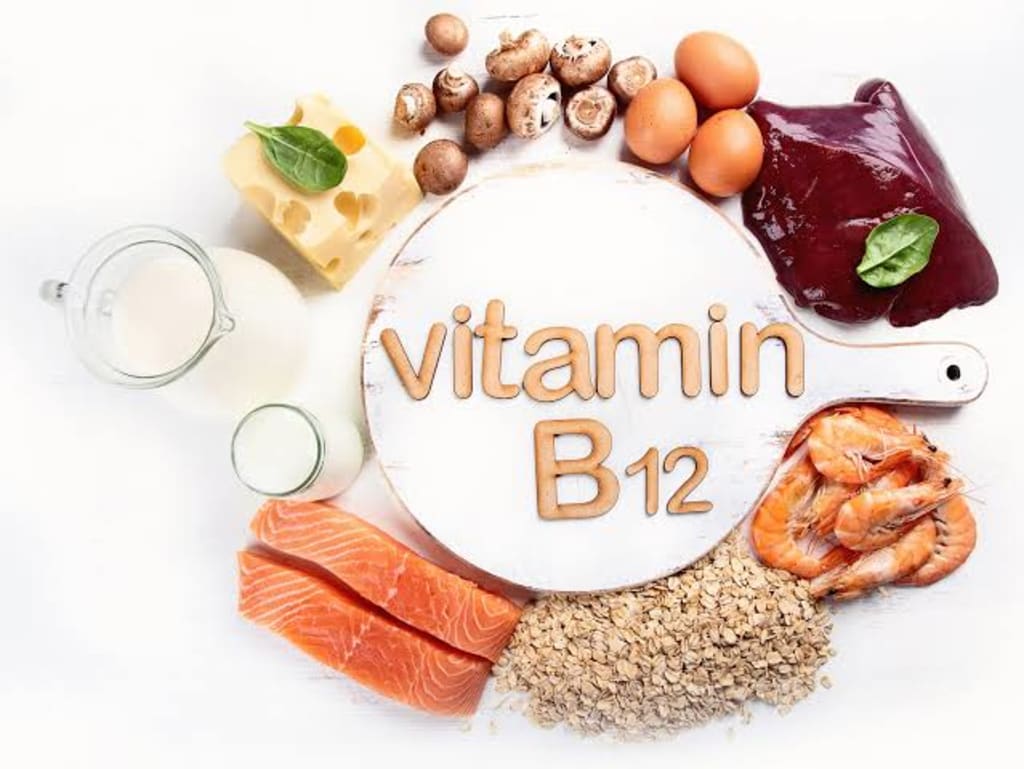
Vitamin B12 plays a crucial role in various aspects of human health and is considered essential for overall well-being. Here are some of the key reasons why vitamin B12 is important in life:
1. Energy Production: Vitamin B12 is involved in the metabolism of carbohydrates, proteins, and fats, which are the primary sources of energy for the body. It helps convert food into glucose, the fuel used by cells to produce energy. Adequate levels of vitamin B12 are necessary to maintain optimal energy levels and prevent fatigue and weakness.
2. Red Blood Cell Formation: Vitamin B12 is essential for the production of red blood cells in the bone marrow. These cells carry oxygen throughout the body, ensuring the proper functioning of organs and tissues. Without sufficient vitamin B12, the production of red blood cells can be impaired, leading to a condition called megaloblastic anemia, characterized by fatigue, weakness, and shortness of breath.
3. Nervous System Health: Vitamin B12 is crucial for the maintenance of a healthy nervous system. It plays a role in the synthesis of myelin, a protective sheath that surrounds and insulates nerve fibers, allowing for efficient nerve signaling. Deficiency in vitamin B12 can result in neurological symptoms such as numbness, tingling sensations, memory problems, and difficulty with coordination.
4. DNA Synthesis: Vitamin B12 is involved in the synthesis of DNA, the genetic material present in all cells. It is necessary for the proper replication and maintenance of DNA, which is essential for normal cell division and growth. Sufficient levels of vitamin B12 are crucial during periods of rapid cell growth, such as pregnancy, infancy, and adolescence.
5. Brain Function and Mental Health: There is growing evidence suggesting a link between vitamin B12 and brain function. Adequate levels of vitamin B12 are important for cognitive processes such as memory, concentration, and reasoning. Additionally, some studies have shown a potential association between vitamin B12 deficiency and an increased risk of depression and other mental health disorders.
6. Cardiovascular Health: Vitamin B12, along with other B vitamins like folate and vitamin B6, helps regulate homocysteine levels in the blood. High levels of homocysteine are associated with an increased risk of cardiovascular diseases, including heart disease and stroke. Vitamin B12 supplementation, particularly in individuals with elevated homocysteine levels, may help reduce the risk of these conditions.
7. Cell Function and Growth: Vitamin B12 is involved in the synthesis of nucleic acids, proteins, and phospholipids, all of which are essential for cell function, growth, and development. It plays a crucial role in maintaining the integrity and proper functioning of cells throughout the body.
It's important to note that vitamin B12 is primarily found in animal-based foods, such as meat, fish, eggs, and dairy products. Therefore, individuals following a strict vegetarian or vegan diet may be at a higher risk of vitamin B12 deficiency and should consider supplementation or consuming fortified foods to meet their requirements. If you have concerns about your vitamin B12 levels or suspect a deficiency, it is advisable to consult with a healthcare professional for appropriate diagnosis and treatment.
8. DNA and RNA Synthesis: Vitamin B12 is involved in the synthesis of both DNA and RNA, which are essential for the genetic information and protein synthesis in the body. Adequate levels of vitamin B12 are crucial for proper cell division and growth, especially in rapidly dividing cells like those found in bone marrow and the gastrointestinal tract.
9. Methylation Processes: Vitamin B12 plays a key role in methylation reactions in the body. Methylation is a biochemical process involved in numerous vital functions, including the regulation of gene expression, detoxification processes, and neurotransmitter synthesis. Vitamin B12 is necessary for the proper functioning of enzymes involved in methylation reactions.
10. Fetal Development: Sufficient levels of vitamin B12 are vital during pregnancy for proper fetal development. It supports the growth of the fetus and helps in the formation of the neural tube, which eventually develops into the baby's brain and spinal cord. Adequate vitamin B12 intake is particularly important in the early stages of pregnancy to prevent neural tube defects.
11. Bone Health: Vitamin B12, along with other B vitamins, is involved in the metabolism of homocysteine. Elevated levels of homocysteine have been associated with an increased risk of osteoporosis and bone fractures. By helping to regulate homocysteine levels, vitamin B12 contributes to maintaining bone health and reducing the risk of bone-related issues.
12. Digestive System Function: Vitamin B12 is necessary for the production of stomach acid and the proper function of the digestive system. It helps in the breakdown and absorption of nutrients, particularly proteins. Vitamin B12 deficiency can lead to digestive symptoms such as indigestion, constipation, and loss of appetite.
13. Healthy Skin, Hair, and Nails: Adequate levels of vitamin B12 contribute to healthy skin, hair, and nails. It is involved in cell regeneration and the production of new cells in these tissues. Vitamin B12 deficiency can lead to skin problems, hair loss, and brittle nails.
14. Optimal Mood and Mental Health: Vitamin B12 is important for the synthesis of neurotransmitters, including serotonin and dopamine, which are involved in regulating mood, motivation, and overall mental well-being. Adequate levels of vitamin B12 support optimal brain function and may help reduce the risk of mood disorders, such as depression and anxiety.
15. Age-related Macular Degeneration (AMD): Some studies suggest that vitamin B12, along with other nutrients like folate and vitamin B6, may play a role in reducing the risk of age-related macular degeneration, a leading cause of vision loss in older adults. Further research is needed to fully understand the relationship between vitamin B12 and AMD.
It's important to note that individual vitamin B12 requirements may vary based on age, gender, health conditions, and lifestyle factors. If you have specific concerns about your vitamin B12 intake or suspect a deficiency, consulting with a healthcare professional or a registered dietitian is recommended for personalized advice and guidance.
About the Creator
Keep reading
More stories from writers in Lifehack and other communities.
Moving Across Boise Without the Stress: What Most People Don’t Plan For
Moving within the same city often feels easier than it actually is. Many people assume that a short distance means fewer complications, but local moves come with their own challenges. In Boise, factors like traffic flow, neighborhood layouts, parking access, and timing can quickly turn a simple relocation into a stressful experience if they’re not considered ahead of time.
By House Doctor5 days ago in Lifehack



Comments
There are no comments for this story
Be the first to respond and start the conversation.