
RFID Tag Reader: Revolutionizing Asset Tracking and Management
This blog delves deep into the fundamentals of RFID tag readers, their applications, advantages, and challenges, while also exploring future trends and answering some common questions.
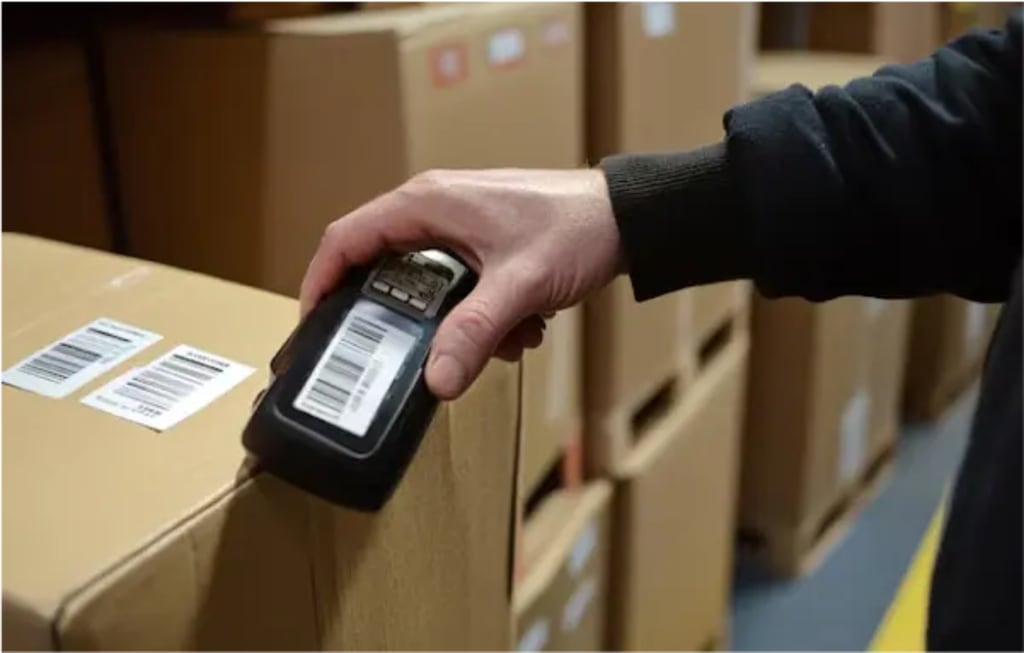
In today’s fast-paced and technology-driven world, the ability to track and manage assets efficiently is crucial for businesses. RFID tag readers play a pivotal role in this revolution, offering a seamless way to capture and process data through radio-frequency identification (RFID) technology.
What is an RFID Tag Reader?
An RFID tag reader is a device designed to communicate with RFID tags through radio waves. It captures data stored in RFID tags and transmits it to a central system for analysis and decision-making. Unlike traditional barcode systems, RFID technology doesn’t require direct line-of-sight, making it faster and more efficient.
Components of an RFID Tag Reader
Reader Module: Captures and processes radio signals.
Antenna: Sends and receives radio waves.
Controller: Analyzes the received data and integrates it into existing systems.
How Does an RFID Tag Reader Work?
Signal Emission: The RFID tag reader sends out radio waves.
Tag Response: RFID tags within the range respond by transmitting their unique data.
Data Capture: The reader captures and processes this data for storage or further action.
This entire process is contactless and can occur over varying ranges, depending on the type of RFID system used.
Applications of RFID Tag Readers
1. Inventory Management
RFID tag readers revolutionize inventory tracking by enabling businesses to scan multiple items simultaneously, providing real-time updates and reducing manual errors.
2. Supply Chain and Logistics
In logistics, RFID tag readers track shipments, monitor delivery routes, and ensure timely inventory replenishment, enhancing overall supply chain efficiency.
3. Healthcare
Hospitals use RFID tag readers to monitor medical equipment, manage patient records, and track pharmaceutical inventory, ensuring better patient care and operational efficiency.
4. Retail
Retailers use RFID tag readers for stock management, theft prevention, and checkout automation, providing a smoother shopping experience.
5. Transportation and Security
From tracking vehicles in transit to granting secure access to restricted areas, RFID tag readers are a cornerstone of modern security systems.
Benefits of RFID Tag Readers
1. Faster Data Collection
Unlike traditional methods, RFID tag readers can scan multiple tags simultaneously, drastically reducing data collection time.
2. Enhanced Accuracy
Automated data capture eliminates human error, ensuring more reliable information for decision-making.
3. Cost Efficiency
Although the initial investment is high, RFID tag readers reduce operational costs in the long term by improving process efficiency.
4. Real-Time Updates
RFID systems provide instant updates, allowing businesses to make data-driven decisions promptly.
5. Better Security
By tracking assets in real-time, RFID tag readers help prevent theft and unauthorized access.
Types of RFID Tag Readers
1. Fixed RFID Readers
Installed in specific locations like entry points or warehouses.
Provide high read range and consistent performance.
2. Handheld RFID Readers
Portable devices used for on-the-go tracking.
Ideal for inventory checks and small-scale applications.
3. Integrated Readers
Combine antennas and reader modules into a single unit.
Often used in retail and compact environments.
4. Mobile RFID Readers
Integrated into devices like smartphones or tablets.
Enable flexible and cost-effective RFID integration.
Challenges of Using RFID Tag Readers
1. High Initial Costs
The implementation of RFID systems, including readers, requires significant upfront investment in hardware and software.
2. Environmental Interference
Factors like metal objects, water, and electromagnetic signals can disrupt the performance of RFID tag readers.
3. Data Security Concerns
RFID systems are vulnerable to unauthorized access and data breaches if not adequately secured.
4. Compatibility Issues
Not all RFID tags work with all readers, requiring careful selection to ensure compatibility.
Future Trends in RFID Tag Reader Technology
1. AI Integration
Artificial intelligence is set to enhance RFID tag readers by enabling predictive analytics, smart data processing, and improved efficiency.
2. IoT Connectivity
RFID tag readers will increasingly integrate with IoT networks, allowing real-time data sharing and smarter automation across systems.
3. 5G Technology
The adoption of 5G will enhance the speed and reliability of RFID systems, supporting faster data transmission over larger areas.
4. Miniaturization and Portability
Smaller and more portable RFID tag readers will make the technology more accessible for diverse applications.
5. Advanced Security Features
Future RFID tag readers will incorporate better encryption and authentication protocols to address data security challenges.
Choosing the Right RFID Tag Reader
When selecting an RFID tag reader, consider the following factors:
Frequency Type: Choose between LF, HF, or UHF readers depending on your application needs.
Reading Range: Determine whether you need short-range or long-range capabilities.
Environmental Suitability: Ensure the reader can operate in your specific environment.
Data Compatibility: Verify that the reader supports the data format and system integration you require.
Cost and Scalability: Balance budget constraints with future expansion needs.
Conclusion
The RFID tag reader is a versatile and powerful tool that has revolutionized industries ranging from logistics to healthcare. By enabling seamless data capture and asset tracking, RFID tag readers enhance efficiency, accuracy, and security in various operations. While challenges such as high costs and environmental interference persist, advancements in AI, IoT, and security are paving the way for more robust and accessible RFID systems.
As businesses continue to adopt RFID technology, the RFID tag reader will remain at the forefront of innovation, driving smarter and more efficient processes across industries.
FAQs
1. What is an RFID tag reader?
An RFID tag reader is a device that uses radio-frequency signals to communicate with RFID tags and capture stored data for various applications.
2. How does an RFID tag reader work?
The reader sends radio waves to activate nearby RFID tags. These tags respond with their unique data, which the reader processes and transmits to a central system.
3. What are the types of RFID tag readers?
The main types include fixed RFID readers, handheld readers, integrated readers, and mobile readers.
4. What industries use RFID tag readers?
Industries such as logistics, healthcare, retail, transportation, and security heavily rely on RFID tag readers for efficiency and asset management.
5. Are RFID tag readers secure?
Yes, but implementing robust encryption and authentication protocols is essential to protect data from unauthorized access.
In conclusion, RFID tag readers are indispensable in the modern era, offering unparalleled advantages in tracking and data management. Their potential to transform industries will only grow as technology continues to evolve.
About the Creator
Keep reading
More stories from Chandan Thakur and writers in Lifehack and other communities.
Revolutionizing Industries with Machine Vision Systems in Robotics
In today’s rapidly advancing technological landscape, machine vision systems in robotics have emerged as a game-changer. These systems allow robots to "see," interpret, and respond to visual data, enabling them to perform tasks with unprecedented accuracy and efficiency. From manufacturing to healthcare, these innovations are redefining how industries operate.
By Chandan Thakurabout a year ago in Lifehack
Is It Better To Eat Protein Before Or After A Workout? How To Optimize Your Intake For Muscle Growth
If you've given WH's protein challenge a go, you know how important this macro is to your health and fitness goals and a strong training sesh. But does it matter when, exactly, you get some protein in around your workouts impact muscle growth?
By Dena Falken Esq4 days ago in Lifehack
The Blue Ridge Stalker
Tom had left the Ford down the way, its spark plugs finally exhausted and no mechanics for a dozen miles back through the foothills to Strossburg. No matter, he had worn his boots—almost as if he planned for this to happen. The puzzle he sought to solve emanated from the woods clinging to the slopes above; the valley behind held no mysteries.
By Stephen A. Roddewig6 days ago in Fiction


Comments
There are no comments for this story
Be the first to respond and start the conversation.