
Renewable Energy Sources: In-Depth Guide to Solar, Wind, and Geothermal
Discover how renewable energy can transform your home, business, or community. Equip yourself with the knowledge to make informed decisions about sustainable energy options.

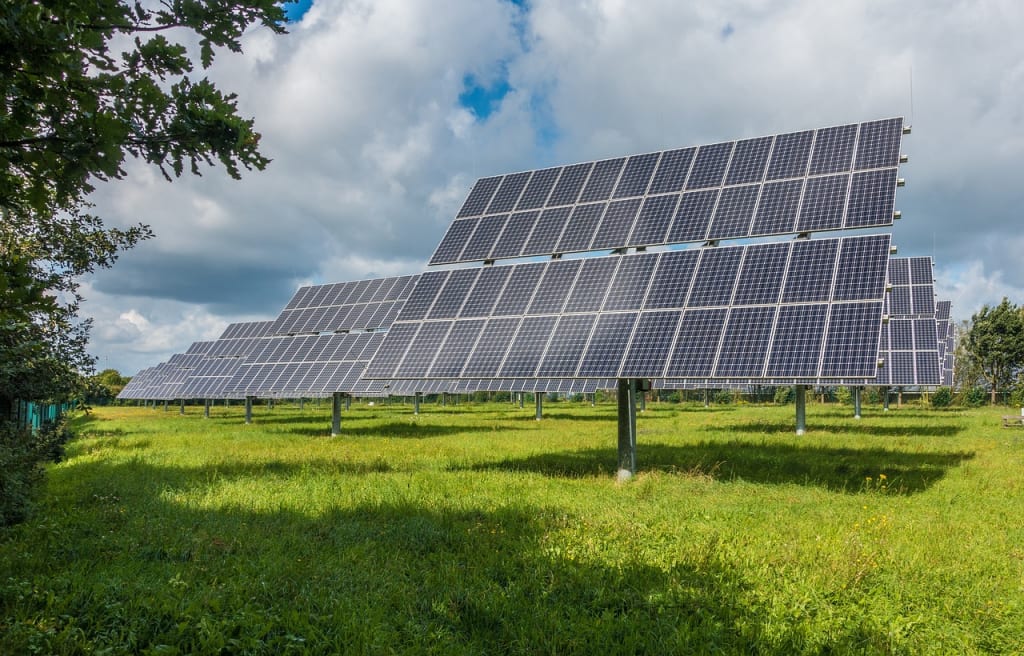
In an era where the shift towards sustainability is not just desired but necessary, renewable energy sources emerge as beacons of hope for a cleaner, greener future. These sources, primarily encompassing solar, wind, and geothermal energy, provide an alternative to the conventional fossil fuels, mitigating the environmental repercussions associated with carbon emissions and resource depletion. The significance of renewable energy in today's world cannot be overstated, as it offers viable solutions to the urgent challenges of climate change and energy security. As the demand for green energy solutions intensifies, understanding the potential and efficiency of renewable energy systems becomes essential for societies aiming to transition towards sustainable practices.
This article delves into the intricacies of solar, wind, and geothermal energy, providing a comprehensive guide to these formidable forms of renewable energy. By exploring the potential of solar energy, insights into wind energy, and the possibilities inherent in geothermal energy, readers will gain a thorough understanding of how these alternative energy sources can be harnessed. Additionally, the discussion extends to the advantages of renewable energy sources, reflecting on how they can be integrated into our daily lives and the broader energy grid. Through an examination of renewable energy technologies and solutions, this guide aims to highlight the importance of renewable energy sources, paving the way for a future where green energy solutions are not just preferred but predominant.
The Potential of Solar Energy
The potential of solar energy is immense, and its adoption is rapidly accelerating worldwide. Here's an in-depth look at how solar energy works, current trends and innovations, and global adoption rates.
How Solar Energy Works
Solar power works by converting energy from the sun into electricity and heat. This is achieved through the use of solar panels, which range in size from residential rooftops to large-scale "solar farms" spanning acres of land. Solar panels are typically made from silicon or other semiconductor materials installed in a metal panel frame with a glass casing. When exposed to sunlight, the photons (small packets of energy) release electrons, creating an electric charge known as the photovoltaic (PV) effect. This PV charge generates direct current (DC) electricity, which is then converted to alternating current (AC) by an inverter for use in homes and the grid.
Current Trends and Innovations
The solar energy industry is witnessing rapid advancements and innovations:
Improved Efficiency: Advancements in PV technology continue to lead the evolution of the solar industry, making solar panels more efficient and less expensive. Manufacturers are incorporating new, more efficient materials like perovskite solar cells, which have the potential to reach 30% efficiency levels.
Building-Integrated Photovoltaics (BIPVs): Scientists are exploring ways to harvest solar energy through solar cells integrated into building components like PV glass windows, known as building-integrated photovoltaics (BIPVs).
Floating Solar Farms: Floating solar farms, or floatovoltaics, are gaining traction in coastal and offshore locations due to limited land availability.
Blockchain-Enabled Peer-to-Peer Trading: Blockchain technology is set to revolutionize how solar energy is traded and distributed, enabling peer-to-peer (P2P) solar energy trading markets.
Smart Inverters and Energy Storage: Smart inverters are improving the efficiency of electricity flow regulation and integrating with energy storage systems like batteries, allowing excess energy to be stored for later use.
Artificial Intelligence (AI): The adoption of AI technologies in solar panel manufacturing, installation, and maintenance is a growing trend that promises to significantly improve the renewable energy industry.
Don’t wait – start your journey towards a cleaner, greener future now!
Across the globe, residential solar adoption is driven by factors such as the cost of electricity, grid stability, and local solar irradiance. Australia has the highest residential solar adoption rate at 37.7%, followed by the Netherlands at 24.0%, Japan at 21.5%, and the Czech Republic at 15.1%. Countries like Germany, Denmark, South Africa, Italy, the United Kingdom, the United States, Mexico, Brazil, and Canada are also embracing solar power at varying adoption rates.
Overall, the exceptional growth in solar PV deployment in recent years needs to continue and scale up to meet the Net Zero Emissions by 2050 Scenario, requiring continued policy ambition and technological advancements.
Wind Energy Insights
Wind Power Mechanics
Wind turbines use wind to generate electricity. The wind turns the propeller-like blades of a turbine around a rotor, which spins a generator, creating electricity. Wind is a form of solar energy caused by the uneven heating of the atmosphere, irregularities of the earth's surface, and the rotation of the earth. Wind flow patterns and speeds vary across different regions, influenced by bodies of water, vegetation, and terrain differences.
A wind turbine converts wind energy into electricity using the aerodynamic force from the rotor blades, similar to an airplane wing or helicopter rotor blade. As wind flows across the blade, the air pressure decreases on one side, creating a difference in air pressure across the two sides. This pressure difference generates lift and drag forces, with the lift force being stronger, causing the rotor to spin.
The rotor is connected to the generator, either directly (direct drive turbine) or through a shaft and gearbox that increases the rotation speed, allowing for a smaller generator. This translation of aerodynamic force into rotation powers the generator, producing electricity.
Wind turbines can be horizontal-axis, with three blades operating upwind, pivoting at the top of the tower to face the wind, or vertical-axis, like the eggbeater-style Darrieus model, which is omnidirectional. They can be installed on land or offshore in large bodies of water, with offshore turbines tending to be larger and taller than land-based ones.
Small wind turbines (below 100 kilowatts) are used for residential, agricultural, and small commercial applications, often in hybrid energy systems with other distributed resources like microgrids, batteries, and photovoltaics, especially in remote, off-grid locations.
Market Growth and Trends
The global wind energy market is growing rapidly, driven by the need for clean energy sources, favorable government policies, and technological advancements. In 2023, the market size was valued at USD 87.66 billion and is projected to reach USD 174.67 billion by 2031, with a CAGR of 9% during the forecast period.
The offshore wind energy segment is experiencing significant growth due to technological advancements, government support, and favorable regulatory frameworks. The industrial, commercial, and residential sectors are major end-users of wind energy, adopting it to meet their energy demands sustainably and reduce carbon emissions.
The Asia-Pacific region is currently the leading contributor to the global wind energy market, with steady growth expected due to government initiatives and energy infrastructure development. North America is also a promising market, driven by increasing electricity demand, substantial wind power potential, and decreasing costs of advanced wind energy solutions.
However, the market faces challenges such as high initial capital costs for wind energy projects, intermittency of wind energy, lack of adequate infrastructure, transmission lines, and storage facilities, as well as limited availability of suitable locations for wind turbine installation.
Don’t wait – start your journey towards a cleaner, greener future now!
Some of the world's largest wind energy projects include:
The Gansu Wind Farm in China, also known as the Jiuquan Wind Power Base, aims to achieve a capacity of 200 GW and currently has 8,000 megawatts.
The Markbygden Wind Farm in Sweden is Europe's largest single wind farm, expected to be completed by 2025 with up to 4,000 megawatts and 1,101 turbines.
The Muppandal Wind Farm in India is the country's second-largest, producing 1.5 GW, and features multiple turbines of varying sizes.
The Alta Wind Energy Center in California, USA, also known as the Mojave Wind Farm, has a capacity of 1.55 GW and aims to reduce carbon dioxide emissions by 5.2 million tons per year.
The Hornsea Wind Farm in the UK is one of the world's largest offshore wind farms, with a combined capacity of 2.6 GW and plans to expand to 6 GW.
The Fosen Vind Wind Farm in Norway, with a combined capacity of 1,057 MW, has contributed to a twofold increase in Norway's wind energy generation capacity.
The Jaisalmer Wind Park in India is the country's largest wind farm, with a capacity of 1,600 MW, featuring a range of turbines from 350 kW to 2.1 MW models.
These large-scale wind energy projects demonstrate the global commitment to harnessing wind power as a renewable energy source and reducing dependence on fossil fuels.
Geothermal Energy Potential
Geothermal Resource Locations
Geothermal energy is derived from the heat stored within the Earth's crust and core. The National Renewable Energy Laboratory's Geothermal Prospector provides extensive information about geothermal energy resources in the United States. The interactive map includes known geothermal resource areas, exploration regions, state geothermal maps, geothermal potential for enhanced geothermal systems (EGS), low-temperature geothermal resources, identified hydrothermal sites, and data on hot springs and wells. Additionally, it features geological maps, FORGE project sites, geothermal infrastructure (plants, transmission lines, and wells), and geothermal leasing information.
Technological Advances
Conventional geothermal power plants are limited to hydrothermal sites with high temperatures, naturally occurring water, and sufficient rock permeability, often located near volcanoes. However, next-generation geothermal technologies like Enhanced Geothermal Systems (EGS) and Advanced Geothermal Systems (AGS) aim to create conditions for geothermal energy in areas where natural exploitation was previously impossible. These technologies use hydraulic fracturing techniques, similar to those employed in the oil and gas industry, to crack open relatively solid rocks at greater depths than existing geothermal wells. Water is then injected into these fractured rocks to generate steam, which drives turbines to produce electricity.
Companies like Fervo Energy and AltaRock Energy are advancing pilot projects and specialized techniques to access extremely hot rocks, potentially increasing energy output significantly. Additionally, Fervo Energy is exploring the use of enhanced geothermal techniques to create underground energy storage systems for the grid, allowing energy to be stored or released based on demand.
Economic Feasibility
While geothermal energy offers significant resource potential with minimal land use requirements, one major challenge is its high capital cost. A next-generation geothermal project in 2022 would require more than $8.7 million/MW in capital expenditure, compared to $1.8 million/MW for onshore wind and $1.1 million/MW for solar plants. Capital expenditures rise as temperature and depth increase, and financing costs are higher due to the perceived risk.
The industry aims to drive down costs through economies of scale, improved drilling technologies, better exploration techniques, and initiatives like the U.S. Department of Energy's EarthShots Initiative, which seeks to reduce the cost of next-generation geothermal power by 90% to $45/MWh by 2035. Additionally, enabling regulatory frameworks, social acceptance, and ongoing studies on seismic risk could foster investments and shorten project approval timelines.
Don’t wait – start your journey towards a cleaner, greener future now!
Throughout this article, we have journeyed through the transformative potential of renewable energy sources, emphasizing solar, wind, and geothermal energies as pivotal solutions to the multifaceted challenges of climate change, energy security, and sustainability. The exploration of these renewable energies has underscored their significant advantages, from reducing carbon footprints to creating sustainable energy solutions that are increasingly becoming cost-effective and efficient with technological advancements. As we reflect on the insights and innovations within each renewable energy segment, it is evident that the adoption and integration of these green energy solutions are not just beneficial but imperative for a sustainable future.
The significance of harnessing renewable energy extends beyond environmental conservation. It encompasses economic benefits, energy reliability, and the global commitment to transition towards cleaner, more sustainable energy systems. As the landscape of renewable energy continues to evolve, the call to action for further research, innovation, and implementation becomes louder and more urgent. By prioritizing renewable energy sources, we can collectively step closer to achieving net-zero emissions and a sustainable, energy-secure future. Let this guide serve as a catalyst for action and inspiration for all stakeholders involved, from policymakers to individuals, in the relentless pursuit of a greener, more renewable world.
FAQs
What are the primary sources of renewable energy?
The five primary sources of renewable energy include solar energy derived from the sun, geothermal energy sourced from the earth's internal heat, wind energy, biomass produced from organic materials, and hydropower generated by flowing water.
Can you list different types of renewable energy?
There are seven key types of renewable energy: Solar energy, which utilizes photovoltaic cells to convert sunlight into electricity; Wind energy; Hydroelectric power, which generates power through water flow; Ocean energy, encompassing both tidal and wave power; Geothermal energy, which harnesses the Earth's internal heat; Biomass, which converts organic materials into energy; and Hydrogen, which can be used as a fuel source.
What are various renewable energy sources available today?
Today's renewable energy sources include biomass, nuclear power, geothermal energy, wind energy, solar power, tidal power, and wave power, all of which are sustainable.
What exactly are renewable resources?
Renewable resources are natural sources of energy that replenish over time and include solar energy, wind, hydropower, geothermal heat, biomass, ocean waves, currents, and the thermal energy derived from oceanic temperature differences, as well as tidal energy.
About the Creator
Francisco Santos
Hello,
My name is Francisco Santos and I am a DIY design enthusiast. Explore my writing to discover inspiration and practical guides that will help you personalize your space with creativity and purpose.
Keep reading
More stories from Francisco Santos and writers in Lifehack and other communities.
Understanding BMI and Healthy Weight: A Guide to Smart Health Monitoring
In today's fast-paced world, many people are trying to live healthier lives, yet they often overlook one of the simplest indicators of their overall health — body weight awareness. Between busy schedules, processed foods, and limited physical activity, it has become easier than ever for people to lose track of their physical well-being.
By Backlinks Cart3 days ago in Lifehack
Don't Miss The Fun Extras Offered by Your Favorite Companies
National retailers know the way to a customer’s heart is by giving them a little something extra. Many companies offer customers incentives such as free goodies, sample boxes, and workshops. The problem is that many of the offers aren’t widely advertised. Are you missing out on cool extras from your favorite companies?
By Criminal Matters24 minutes ago in Lifehack



Comments
There are no comments for this story
Be the first to respond and start the conversation.