
Psychological Stress
07 Effective Strategies: Revealing the Secret to Beating Psychological Stress


In today's fast-paced and demanding world, psychological stress has become an all too common experience for many individuals. According to recent studies, an astonishing 75% to 90% of visits to primary care physicians are related to stress-related ailments. This staggering statistic highlights the pervasive influence of stress in our society.
Psychological stress refers to the emotional and physiological responses that occur when individuals perceive an imbalance between the demands placed upon them and their ability to cope. It is a complex response that can arise from various sources and has immediate and long-term effects on our well-being.
Here are some common causes and negative effects of psychological stress:
Causes of Psychological Stress:
- Work-related Stress: High job demands, long working hours, job insecurity, lack of control, and conflicts with colleagues or superiors can contribute to work-related stress.
- Financial Stress: Money problems, debt, job loss, and economic insecurity can create significant stress and anxiety.
- Relationship Stress: Troubled relationships, conflicts with family members or partners, and social isolation can all contribute to psychological stress.
- Major Life Changes: Significant life events such as divorce, the death of a loved one, relocation, or starting a new job can be highly stressful.
- Academic Pressure: Students may experience stress due to academic demands, exams, competition, and fear of failure.
- Health Issues: Chronic illnesses, injuries, or dealing with a loved one's health problems can create stress and emotional strain.
Negative Effects of Psychological Stress:
- Physical Health Problems: Prolonged stress can contribute to various physical health issues, including cardiovascular diseases, high blood pressure, weakened immune system, digestive problems, headaches, and sleep disorders.
- Mental Health Disorders: Chronic stress can increase the risk of developing mental health disorders such as anxiety disorders, depression, post-traumatic stress disorder (PTSD), and substance abuse problems.
- Cognitive Impairment: Stress can impair cognitive functions such as memory, concentration, decision-making, and problem-solving abilities. It can also contribute to mental fog and reduced creativity.
- Emotional Distress: Stress can lead to emotional disturbances such as irritability, mood swings, anger, and feelings of overwhelm or helplessness.
- Relationship Strain: Chronic stress can strain relationships, leading to conflicts, communication breakdowns, and decreased intimacy.
- Reduced Productivity and Performance: Stress can hinder productivity and performance in various areas of life, including work, academics, and personal goals.
- Sleep Disturbances: Stress can disrupt sleep patterns, leading to insomnia or poor-quality sleep, further exacerbating stress levels.
Some effective strategies that can help individuals manage and alleviate stress:
- Practice Mindfulness: Mindfulness involves focusing on the present moment without judgment. Engaging in mindfulness exercises, such as meditation, deep breathing, or body scanning, can help calm the mind, reduce anxiety, and increase self-awareness.
- Exercise Regularly: Physical activity is a powerful stress reliever. Engaging in regular exercise releases endorphins improves mood, and reduces stress hormones. Whether it's going for a walk, practicing yoga, or participating in a sport, finding an activity you enjoy can provide a much-needed release from stress.
- Prioritize Self-Care: Taking care of yourself is crucial for stress management. Ensure you get enough sleep, maintain a balanced diet, and engage in activities that bring you joy and relaxation. Set aside time for hobbies, self-reflection, or simply unwinding with a good book or a warm bath.
- Seek Social Support: Sharing your feelings and experiences with trusted friends, family, or support groups can provide immense relief. Talking to someone who understands and supports you can help alleviate stress and provide a fresh perspective on your challenges.
- Set Realistic Goals and Manage Time Effectively: Setting realistic goals and breaking them down into manageable tasks can prevent overwhelming feelings. Prioritize your tasks, delegate when possible, and practice effective time management to reduce the stress associated with deadlines and time pressures.
- Limit Exposure to Stressful Triggers: Identify sources of stress in your life and take steps to minimize or avoid them when possible. This could involve setting boundaries in relationships, managing your workload, or limiting exposure to negative news or social media.
- Engage in Relaxation Techniques: Incorporate relaxation techniques into your routine, such as deep breathing exercises, progressive muscle relaxation, or listening to calming music. These techniques can help reduce muscle tension, promote relaxation, and counteract the physiological effects of stress.
- Practice Healthy Coping Mechanisms: Avoid unhealthy coping mechanisms such as excessive alcohol or drug use, overeating, or isolating yourself. Instead, seek healthier alternatives like engaging in hobbies, journaling, seeking therapy, or practicing the stress management techniques mentioned above.
Remember, everyone's experience of stress is unique, and what works for one person may not work for another. It's essential to explore different strategies and find what resonates with you personally.
If stress becomes overwhelming or persistent, seeking professional help from a therapist or counselor can provide valuable guidance and support.

Importance of maintaining a balanced diet, adequate sleep, and hydration:
Maintaining a balanced diet, adequate sleep, and hydration are crucial elements for managing stress and promoting overall well-being.
These lifestyle habits play a significant role in supporting both our physical and mental health, highlighting the strong connection between a healthy body and a healthy mind.
- Balanced Diet: Eating a nutritious, well-balanced diet provides the essential nutrients needed for optimal brain function and mood regulation. Include a variety of fruits, vegetables, whole grains, lean proteins, and healthy fats in your meals.
excessive consumption of processed foods, refined sugars, and caffeine, as they can contribute to increased stress levels. Instead, opt for nutrient-dense foods that provide sustained energy and promote a stable mood.
- Adequate Sleep: Sufficient sleep is vital for restoring and rejuvenating the body and mind. Lack of sleep can increase stress levels, impair cognitive function, and negatively impact mood.
Aim for 7-9 hours of quality sleep each night. Establish a consistent sleep routine by going to bed and waking up at the same time every day.
Create a sleep-friendly environment by keeping your bedroom dark, quiet, and at a comfortable temperature. Avoid electronic devices and stimulating activities before bed to promote relaxation and improve sleep quality.
- Hydration: Proper hydration is essential for maintaining optimal physical and mental function. Dehydration can lead to fatigue, difficulty concentrating, and increased stress levels.
Drink an adequate amount of water throughout the day, aiming for at least 8 cups (64 ounces). Carry a reusable water bottle with you as a reminder to stay hydrated, and incorporate hydrating foods such as fruits and vegetables into your meals and snacks.
Role of effective time management in Reducing Stress:
Effective time management plays a crucial role in reducing stress. By organizing and prioritizing tasks, individuals can gain a sense of control over their workload, leading to increased productivity and reduced feelings of overwhelm.
Setting realistic goals, breaking them down into manageable steps, and allocating time efficiently helps prevent procrastination and last-minute rushes. Effective time management allows individuals to create a balanced schedule that includes time for self-care, relaxation, and rejuvenation, promoting overall well-being.
By managing time effectively, individuals can reduce stress levels, improve focus, and create a more harmonious and fulfilling life.
Practical Tips for Improving Lifestyle Habits:
- Plan and prepare your meals in advance to ensure a nutritious and balanced diet.
- Prioritize regular exercise, as it can reduce stress, boost mood, and improve overall well-being.
- Create a consistent sleep schedule and establish a relaxing bedtime routine.
- Practice stress-reducing activities such as meditation, yoga, or engaging in hobbies you enjoy.
- Limit your intake of stimulants like caffeine and alcohol, as they can disrupt sleep and increase stress levels.
- Take breaks throughout the day to engage in deep breathing exercises or go for a short walk.
- Incorporate mindfulness techniques into your daily routine, such as mindful eating or practicing gratitude.
- Surround yourself with a supportive social network and seek social connections to combat feelings of isolation.
- Prioritize self-care activities, such as taking time for yourself, engaging in hobbies, or pampering yourself.
By prioritizing a balanced diet, adequate sleep, and hydration, you are providing your body and mind with the necessary foundation to better cope with stress. These lifestyle habits not only support physical health but also enhance cognitive function, mood regulation, and resilience in the face of stressors.
Remember that small, consistent changes in lifestyle habits can have a significant impact on your overall well-being and ability to manage stress effectively.
In summary, Beating psychological stress requires implementing various strategies:
- Practice mindfulness to stay present and reduce anxiety.
- Engage in regular exercise to release endorphins and improve mood.
- Prioritize self-care through proper sleep, a balanced diet, and hydration.
- Seek social support and share your feelings with trusted individuals.
- Set realistic goals and manage time effectively to avoid overwhelm.
- Limit exposure to stressful triggers and negative influences.
- Engage in relaxation techniques to reduce muscle tension and promote relaxation.
- Adopt healthy coping mechanisms and seek professional help when needed.
I encourage you to implement these strategies in your life. Start by making small changes and gradually incorporate them into your routine. Remember that consistency is key. Taking proactive steps to manage stress will have a significant impact on your overall well-being and happiness.
Don't let stress control your life. Take charge of your well-being and embrace a healthier, more balanced lifestyle. Believe in your ability to overcome challenges and build resilience. You have the power to make positive changes and create a life filled with joy and fulfillment.
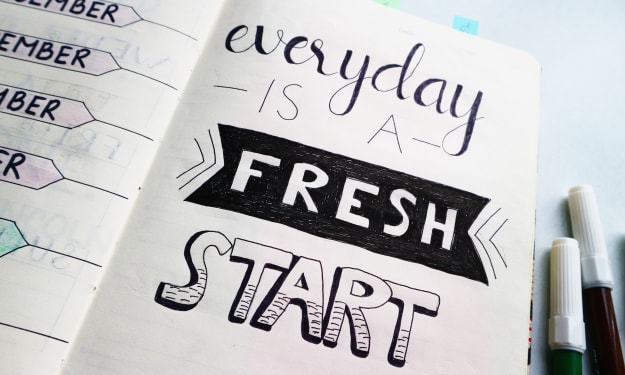
Take a moment to reflect on what truly matters to you. Prioritize self-care, nurture your relationships, and find activities that bring you happiness and peace. Each day is a new opportunity to make progress and grow stronger.
You are capable of overcoming stress and living a life filled with purpose and vitality. Embrace the strategies discussed and make them a part of your daily life.
Remember, you deserve a life that is free from excessive stress and filled with well-being. Believe in yourself, take action, and let your journey to a stress-free and fulfilling life begin.
About the Creator
Prasoon Pandey
Hi Friends, I'm a professional blogger and IT student. I publish articles here regarding tech, artificial intelligence, and information technology. So, if you found my any post adding something better in your life, Please Follow.
Keep reading
More stories from Prasoon Pandey and writers in Lifehack and other communities.
Smartphones Are Better Than Ever
A few years ago, it was fun to get a new phone. You took it out of the box, looked at all the features, tried out the camera, and felt that calm joy that comes with possessing something truly new. Smartphones are objectively more powerful than ever today, with faster processors, smarter software, and better displays. But the enthusiasm is essentially gone.
By abualyaanart2 days ago in Lifehack
Smart phones, Humans and Aliens.
WARNING. I will be tapping into one of your favorite creative tensions: The absurdity of humans worshipping their glowing rectangles as if they were tiny oracles. There’s something deliciously poetic about that contradiction, and it lends itself beautifully to an instructive proviso.
By Novel Allen7 days ago in Poets



Comments
There are no comments for this story
Be the first to respond and start the conversation.