
Protein Intake and Weight Loss: Unlocking the Power of Nutrition
Unlocking the Power of Nutrition


When it comes to weight loss, the importance of diet cannot be overstated. Among the various nutrients that play a crucial role in achieving fitness goals, protein stands out as a key player. Not only does it help build and repair muscles, but it also supports fat loss by promoting satiety and boosting metabolism. This article delves into how protein intake can aid weight loss and offers practical tips for incorporating more protein into your diet.
The Science Behind Protein and Weight Loss
1. Increased Satiety and Reduced Appetite
Protein is more satiating than carbohydrates or fats, meaning it helps you feel fuller for longer. Consuming a high-protein meal can significantly reduce hunger hormones like ghrelin while increasing levels of peptide YY, a hormone that makes you feel full.
2. Boosted Metabolic Rate
The thermic effect of food (TEF) refers to the energy your body uses to digest, absorb, and process nutrients. Protein has a higher TEF (20-30%) compared to carbohydrates (5-10%) and fats (0-3%). This means that your body burns more calories processing protein than it does with other macronutrients.
3. Preservation of Lean Muscle Mass
During weight loss, it's common to lose both fat and muscle mass. Consuming adequate protein helps preserve lean muscle, which is essential for maintaining a healthy metabolism and achieving a toned physique.
4. Reduced Cravings and Late-Night Snacking
High-protein diets have been linked to reduced cravings and a lower desire for late-night snacking. One study found that increasing protein intake to 25% of total daily calories reduced food cravings by 60% and the desire for late-night snacking by 50%.
How Much Protein Do You Need?
The optimal protein intake for weight loss varies based on factors like age, activity level, and body composition goals. However, a common guideline is to consume 1.2 to 2.0 grams of protein per kilogram of body weight. For example, a person weighing 70 kilograms (154 pounds) might aim for 84 to 140 grams of protein per day.
Examples of Protein-Rich Foods
Animal-Based Sources: Chicken, turkey, lean beef, fish, eggs, and dairy products like Greek yogurt and cottage cheese.
Plant-Based Sources: Lentils, chickpeas, tofu, tempeh, edamame, quinoa, and nuts.
Incorporating Protein into Your Meals
1. Start with a Protein-Packed Breakfast
Skipping breakfast or eating a carb-heavy meal can lead to mid-morning energy crashes and cravings. Opt for protein-rich options like scrambled eggs, Greek yogurt with nuts and berries, or a protein smoothie.
2. Include Protein in Every Meal
Ensure each meal contains a source of protein to maintain steady energy levels and support muscle preservation. For example:
Lunch: Grilled chicken salad with quinoa
Dinner: Baked salmon with steamed vegetables
3. Snack Wisely
Choose high-protein snacks to curb hunger between meals. Some great options include hard-boiled eggs, turkey rolls, edamame, or a handful of almonds.
4. Consider Protein Supplements
If meeting your daily protein needs through food alone is challenging, protein powders can be a convenient solution. Look for high-quality options like whey, casein, or plant-based protein powders.
Balancing Protein with Other Nutrients
While protein is essential, a balanced diet that includes healthy fats, complex carbohydrates, and plenty of fruits and vegetables is equally important. Avoid overly restrictive diets that eliminate entire food groups, as they are difficult to maintain in the long term.
Sample High-Protein Meal Plan
Breakfast: Scrambled eggs with spinach and a slice of whole-grain toast
Snack: Greek yogurt with chia seeds
Lunch: Grilled chicken breast with quinoa and roasted vegetables
Snack: A protein smoothie with almond milk, banana, and protein powder
Dinner: Baked salmon with a side of steamed broccoli and sweet potato
Common Myths About Protein and Weight Loss
1. Myth: High-Protein Diets Harm the Kidneys
For healthy individuals, there is no evidence that high-protein diets cause kidney damage. However, those with pre-existing kidney conditions should consult a healthcare provider before increasing protein intake.
2. Myth: You Need to Eat Protein Immediately After Exercise
While consuming protein shortly after a workout can be beneficial, the total amount of protein consumed throughout the day is more important than the timing.
3. Myth: All Protein Sources Are Equal
Not all proteins are created equal. Animal-based proteins contain all essential amino acids, while some plant-based sources may lack one or more. Combining different plant-based proteins can ensure you get a complete amino acid profile.
Real-Life Success Stories
Lisa’s Transformation
Lisa, a busy mother of two, struggled with weight loss until she prioritized protein in her diet. By starting her day with a protein-rich smoothie and incorporating lean protein into every meal, she lost 20 pounds over six months. “I feel fuller longer and have more energy throughout the day,” she shares.
Mark’s Fitness Journey
Mark, a 40-year-old accountant, combined a high-protein diet with strength training to shed fat and build muscle. “It was a game-changer for me,” he says. “I finally broke through my weight loss plateau.”
Conclusion: Protein as a Powerful Weight Loss Tool
Incorporating adequate protein into your diet is a proven strategy for weight loss and overall health. By increasing satiety, boosting metabolism, and preserving muscle mass, protein supports sustainable weight management. Remember to balance your diet, choose quality protein sources, and listen to your body to achieve your fitness goals. With the right approach, protein can become your best ally on the journey to a healthier you.
About the Creator
Keep reading
More stories from bishal minj and writers in Lifehack and other communities.
Environmental and Climate Health: Navigating the Intersection of Planetary and Human Well-being
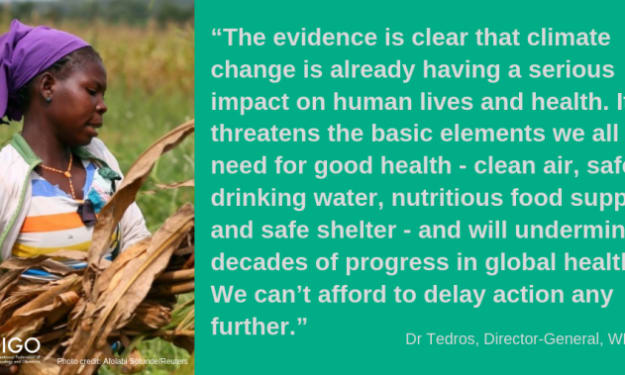
As the effects of climate change become increasingly evident, the connection between environmental health and human health is emerging as one of the most pressing issues of our time. From rising temperatures and extreme weather events to pollution and ecosystem disruption, environmental factors are shaping health outcomes across the globe. Understanding these dynamics and taking proactive steps to address them is crucial for safeguarding both planetary and human well-being.
By bishal minjabout a year ago in Lifehack
To the mountains with children
Family hikes with children in Bukovel have their advantages. In addition to the standard "set of impressions and entertainment", here you can pick wild berries, swim in a crystal clear mountain lake, go fishing under the supervision of adults, visit popular tourist locations or get acquainted with Hutsul cuisine. Each hike can be called a modern and fun method of education. In a relaxed circumstance, the child learns to communicate, support others, cope with difficulties and believe in himself, replenishes knowledge about Ukraine, acquires useful skills for life in the "wild».
By Olaf Podolskia day ago in Lifehack
How to choose a hiking sleeping bag
Wherever the night finds you, a comfortable and full sleep will always be a priority. And it doesn't matter if you are in a cosy hotel or tent. Therefore, if you are planning a hike in the mountains with an overnight stay, it is important to take care of the necessary equipment for a comfortable and safe sleep. It's about a sleeping bag.
By Olaf Podolskiabout 9 hours ago in Lifehack



Comments
There are no comments for this story
Be the first to respond and start the conversation.