
Prevention Is Better Than Cure: Dental Cleanings You Should Know About
Cleaning the teeth is essential to prevent them from breaking resulting in totally damaged teeth.

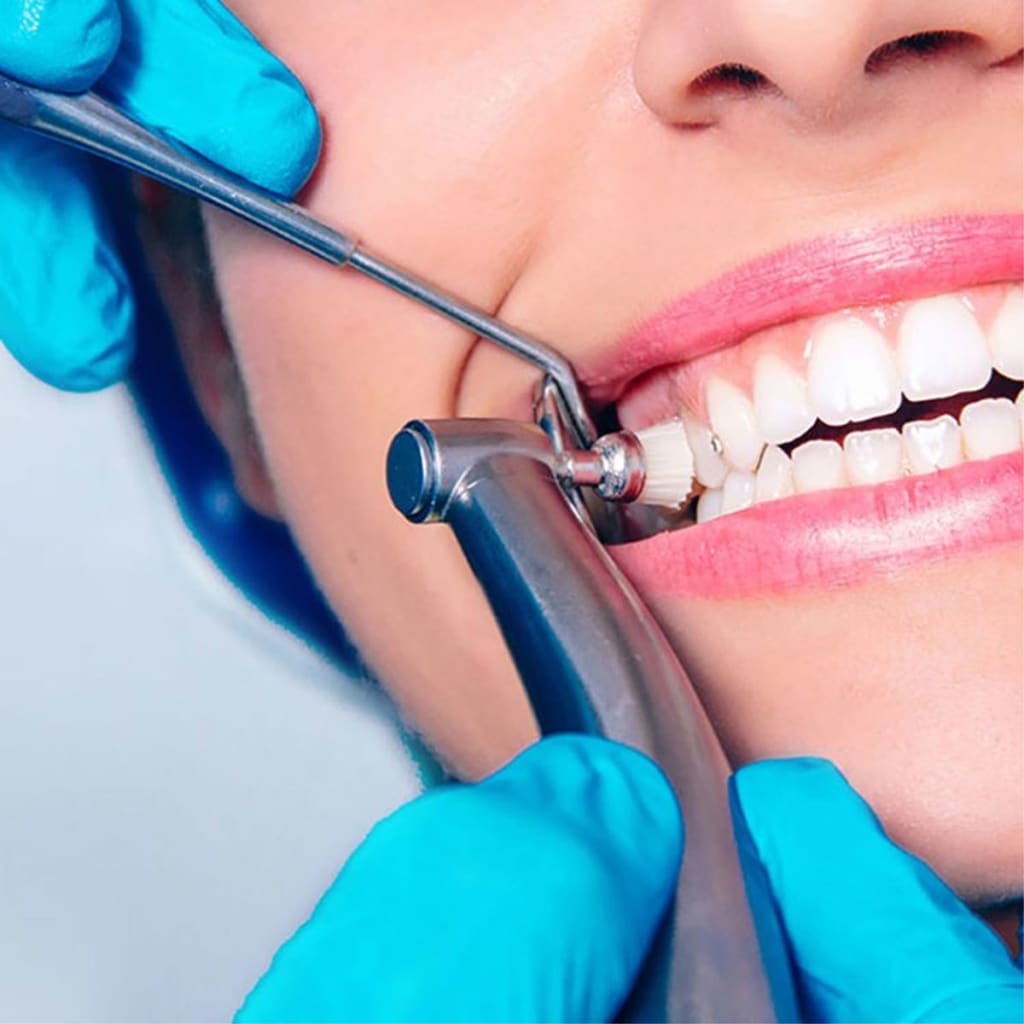
Cleaning the teeth is essential to prevent them from breaking resulting in totally damaged teeth. It can keep your teeth and gums healthy, preventing them from developing major dental problems. Brushing and flossing at home regularly may not be enough to ensure healthy, good-looking teeth.
Consult and schedule consistent check-ups with dentists in Bundoora and create an appointment for your annual dental cleaning. It will serve as an opportunity to look at what's going on with your teeth. It also allows them to be treated early.
Understand each type of dental cleanings to know their importance in making your smile tremendous and shiny.
Prophylaxis cleaning
A procedure that individuals with an overall healthy mouth usually use. It serves as a maintenance routine for those with an excellent hygienic way of taking care of their teeth. It cleans teeth to avoid them from being affected by tooth decay or gum disease.
It removes an invisible amount of tartar and plaque from the surface of teeth, gums, and between teeth. It can help remove unwanted stains that a regular toothbrush cannot remove.
Scaling and root planing
It is a more sophisticated dental cleaning procedure because it involves deep cleaning both the teeth and the gum pockets.
Deep cleanings for gingivitis can be completed in a single dental appointment. At the same time, deep cleanings for periodontitis may require multiple appointments before completion, depending on its severity.
It also removes bacteria and helps eliminate gum inflammation by smoothing the tooth roots- reattaching the gums and teeth together.
Periodontal Maintenance Cleaning
It is a method that treats gum disease as well. Like scaling and root planing, it removes excess plaque and tartar from the tooth surface, and gum pockets then smooths the roots. The vast difference is that this method is usually performed compared to other dental cleanings because gum diseases are continuously getting worse if not treated properly.
Gross Debridement Cleaning
It is known to be the most challenging and vigorous procedure of teeth cleaning.
It is suitable for cleaning teeth with an extensive amount of tartar and plaque.
These are for clients who reject dentist visitation for an extended period and practice an unhygienic oral care routine. Since the tartar was enormous and already thickened, an electrical tool removed all the dirt. Once the extra plaque and tartar have been removed, the dentist performs a prophylaxis cleaning for a spotless mouth result.
Purposes of Dental Cleanings
Some believe that having dental cleansing is time-consuming and might be a little bit scary at the same time. If you are one of these patients, read this to change your mind.
Here are some great purposes why you should not skip your regular dental cleaning appointment:
1. Cleaning Prevents Cavities
The main reason for maintaining clean teeth is to prevent them from breaking and decaying. Cavities are teeth' worst enemies because they attack enamel and produce plaque which causes harm. Thus, removing them by brushing is necessary. With an additional appointment for a dental cleaning, you will have the best oral health.
2. Cleaning Prevents Tooth Loss
Unattended plaque built-up and unhealthy oral hygiene leads to tooth loss. If you want to avoid gum disease that leads to losing your teeth, it is advisable to have regular appointments and schedule a dental cleaning annually. These can protect your teeth so that you can enjoy delicious meals for a very long time.
3. Cleaning Can Make Your Smile The Fairest
It can lead you to a shiny, white-polished smile because cleaning can remove unwanted stains. Having a great appearance can boost your confidence level, leading you to many memorable and happy moments.
4. Cleaning Makes You Healthy
A dental cleaning can reduce the risk of developing heart conditions and diabetes. It can prevent several health problems and improve your healthy lifestyle.
5. Cleaning Prevents Bad Breath
Excellent oral health practice can make your breath fresh and free from the foul odor. It can kill bacteria that cause unwanted odors in your mouth.
Practices to Maintain Healthy Teeth
Dental cleaning is useless without the proper practice of dental care. Both need to perform regularly to have promising results in terms of your health.
With the help of your dentist, follow these practices to keep your teeth and gums healthy:
Brush your teeth regularly.
Using the proper technique, brushing teeth twice a day is one of the most basic and essential ways to clean teeth. Do it gently with small circular motions from the front, back, and top of every tooth. Avoid back-and-forth motions and press it hard to prevent gums from bleeding.
Use fluoride.
It helps prevent cavities and is a common ingredient in toothpaste and mouthwash. Studies show that brushing without fluoride can still cause cavities.
Floss once a day.
Flossing can reach and remove plaque that toothbrushes cannot reach. It also helps prevent bad breath because it can remove leftover bits that have been trapped between your teeth.
See a dentist regularly.
Standardize check-up with your dentist as a routine. It is a way to know any possible oral diseases and prevent them early.
Avoid smoking.
It harms the body's immune system, making tissues challenging to heal, including those in the mouth. It also gives bacteria that cause you to have a foul odor.
Eat treats with lower sugar content.
Sugar leads to cavities, and cavities lead to tooth decay. Avoid consumption of candies, desserts, and processed foods that contain sugar.
Drink plenty of water.
Beverages with sugar-sweetened ingredients are a big no. Instead of those sugary drinks, focus on drinking plenty of water.
Why suffer from tooth diseases and toothaches? When there are lots of practices, methods, and procedures that can be done to avoid them.
With the practice of a healthy oral lifestyle and regular consultation with your doctor, you can easily prevent them from their very first sign. Prevention is better than cure, as we always say.
About the Creator
Jen Hensey
Call me Jen, a writer and blogger of LifeStyleConvo & UrbanHouses, who worked as a full-time content creator. A writer by day and reader by night.
Keep reading
More stories from Jen Hensey and writers in Lifehack and other communities.
6 Tips To Sell Your Home Fast During COVID-19
Although the number of homeowners who list their homes for sale during COVID-19 is low, the lack of demand does not always result in a rapid sale. Despite the fact that new listings are down nearly 29% from this time last year, home sellers who want to capture the constant stream of buyers are seeing agents and sell their house swiftly must prepare correctly.
By Jen Hensey5 years ago in Lifehack
5 Simple Lifehacks to Keep Your Teeth Healthy Every Day
Healthy teeth aren’t just about occasional dental visits—they’re shaped by the little choices you make every day. Simple habits, when done consistently, can prevent cavities, gum issues, sensitivity, and other oral concerns while keeping your smile bright and comfortable. These lifehacks are easy to integrate into your routine and don’t require drastic lifestyle changes.
By Smile Sydney7 days ago in Lifehack




Comments
There are no comments for this story
Be the first to respond and start the conversation.