
Practical Tips For Managing Anxiety During a Blood Test at Home
Vein' Good Strategies: Calming Your Nerves for At-Home Draws

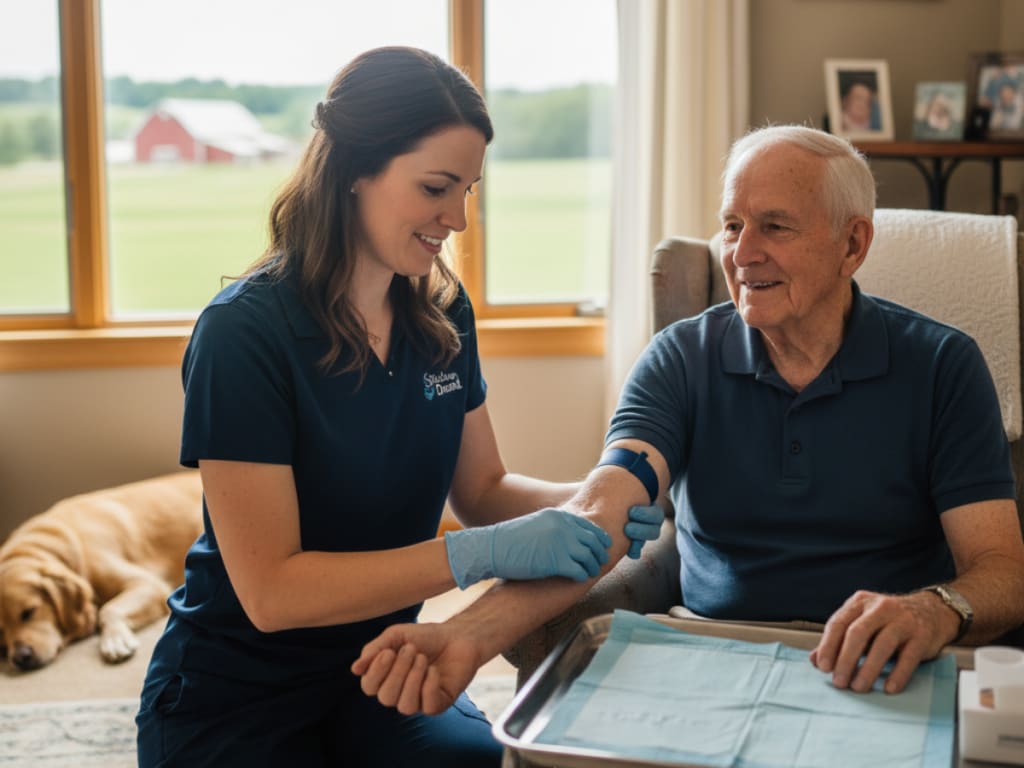
For many people, the thought of a blood test triggers stress, discomfort, or even fear. This anxiety isn’t limited to hospitals or clinics, some individuals still feel nervous even when the test is being done in the comfort of their own home. While mobile phlebotomy services make blood collection far more convenient, the emotional aspect of getting your blood drawn can remain challenging.
The good news? Anxiety around a blood test at home is extremely common and completely manageable. With the right strategies and professional assistance, you can transform the experience into a quick, calm, and hassle-free process. Here is a guide on how to manage anxiety during a blood test performed at home by a trained phlebotomist.
Understanding Why Anxiety Happens
Before overcoming anxiety, it helps to understand why it occurs. People may feel nervous about blood tests for different reasons:
- Fear of needles
- Bad past experiences with blood draws
- Worry about pain
- Discomfort with seeing blood
- Concern about medical results
- Loss of control or discomfort with being touched
- Feeling faint when blood is drawn
Knowing what exactly triggers your anxiety helps you control it better and communicate clearly with the phlebotomist so they can support you effectively.
The Benefits of At-Home Blood Tests
Home blood testing doesn’t just eliminate travel time, it creates a more relaxed environment. Being in familiar surroundings can significantly ease feelings of vulnerability and fear.
Here are some advantages that help reduce anxiety:
- No need for crowded hospitals or waiting rooms
- You can control the environment (lighting, temperature, noise)
- Support from a friend or family member is close by
- No stress from rushing or commuting
- You can recover comfortably afterward
A mobile phlebotomist is trained to provide compassionate care, especially for patients who experience fear or panic around needles. You are not alone in this experience, professionals are there to support you every step of the way.
Effective Strategies to Stay Calm During a Home Blood Test
1. Communicate Openly With the Phlebotomist
One of the best ways to reduce anxiety during a blood test at home is simply by talking:
- Inform them about your fear ahead of time
- Ask them to explain what they are doing step by step
- Request breaks if you become overwhelmed
Phlebotomists are trained to handle nervous patients and will adjust their approach to help you stay calm and comfortable.
2. Practice Relaxed Breathing Techniques
Breathing affects both body and mind. Slow, deep breaths help reduce tension and keep panic away.
Try this simple technique:
- Inhale gently for 4 seconds
- Hold for 2 seconds
- Exhale slowly for 6 seconds
- Repeat until relaxed
It shifts your focus away from fear and signals your brain that you are safe.
3. Distract Yourself
Looking at the needle or the process can increase anxiety. Instead:
- Listen to calming music or a podcast
- Watch a video on your phone
- Talk about something casual with the phlebotomist
- Look away from the arm being used
Distraction keeps your mind engaged elsewhere, making the moment pass faster and smoother.
4. Use Comfort Items or Support
Some people find personal comfort through simple aids:
- Holding a stress ball
- Wrapping up in a cozy blanket
- Having a supportive person nearby
- Using numbing creams (consult ahead)
Even small comforts can create a big sense of security.
5. Eat and Stay Hydrated Before the Test (unless instructed otherwise)
Low blood sugar or dehydration can make people feel dizzy or more anxious. A light snack and plenty of water beforehand can:
- Improve vein visibility
- Reduce fainting risk
- Help maintain calmness
Always check with your healthcare provider if fasting is required, if not, hydration is extremely helpful.
6. Choose a Comfortable Position
Whether you prefer sitting or lying down, choose a posture that prevents strain or dizziness. If you’ve ever felt faint before, lying down is often best. The phlebotomist performing the blood test at home will adjust to your needs.
7. Reframe the Experience
Your mind interprets the situation based on the meaning you attach to it. Instead of focusing on worry, remind yourself:
- The procedure is quick
- The phlebotomist is trained and experienced
- You are improving your health by getting this test done
Positive thoughts make a real difference.
After the Test: Reward Yourself
Once the test is done, the anxiety usually disappears instantly. Allow yourself to celebrate that moment:
- Enjoy your favorite snack
- Take a relaxing break
- Reflect on your success
Rewarding the experience reinforces a positive memory and helps reduce future anxiety.
When Anxiety Is More Severe
Some patients experience intense fear that may cause panic attacks or fainting. In such cases:
- Speak to a healthcare provider about anxiety support
- Consider gradual exposure therapy
- Request a phlebotomist skilled in working with highly anxious patients
You deserve a comfortable, safe experience, and professionals can tailor care to your needs.
Final Thoughts
A blood test at home performed by a professional phlebotomist offers convenience, comfort, and personalized care. Yet anxiety can still be present, and that is completely normal. By using supportive techniques, deep breathing, distraction, communication, and comfort methods, you can take control of the experience and reduce fear significantly.
Remember: you are not in this alone. Mobile phlebotomy services are designed to make the process easier for you. Each successful test builds confidence, making the next one even smoother.
Your health matters. And feeling calm and confident during routine care is a very achievable goal.
About the Creator
7 Signs Wildlife Could Be Living in Your Attic
Unexpected sounds above the ceiling or unfamiliar odors drifting through the home often hint at activity happening overhead. Wildlife frequently settles into attic spaces because the area offers steady warmth, darkness, and protection from predators, creating a quiet refuge for animals searching for a sheltered nesting location. Recognizing early clues helps homeowners avoid costly damage to insulation, electrical wiring, and wooden roof framing while also protecting indoor air quality. Seven signs wildlife could be living in your attic highlight patterns that wildlife specialists regularly encounter during inspections. Animal Round Up explains that early indicators often appear weeks before homeowners notice visible damage. “Subtle scratching sounds, small roof gaps, or disturbed insulation usually show up long before the animal becomes visible,” their team says. “Recognizing those clues early allows humane removal to happen quickly and prevents the situation from growing.”
By Piper Burch4 days ago in Lifehack




Comments
There are no comments for this story
Be the first to respond and start the conversation.