
Powering Up Safely: Why a Dedicated Charger is Essential for Your LiFePO₄ Battery
Unlocking Optimal Performance and Longevity Through Proper Charging Practices

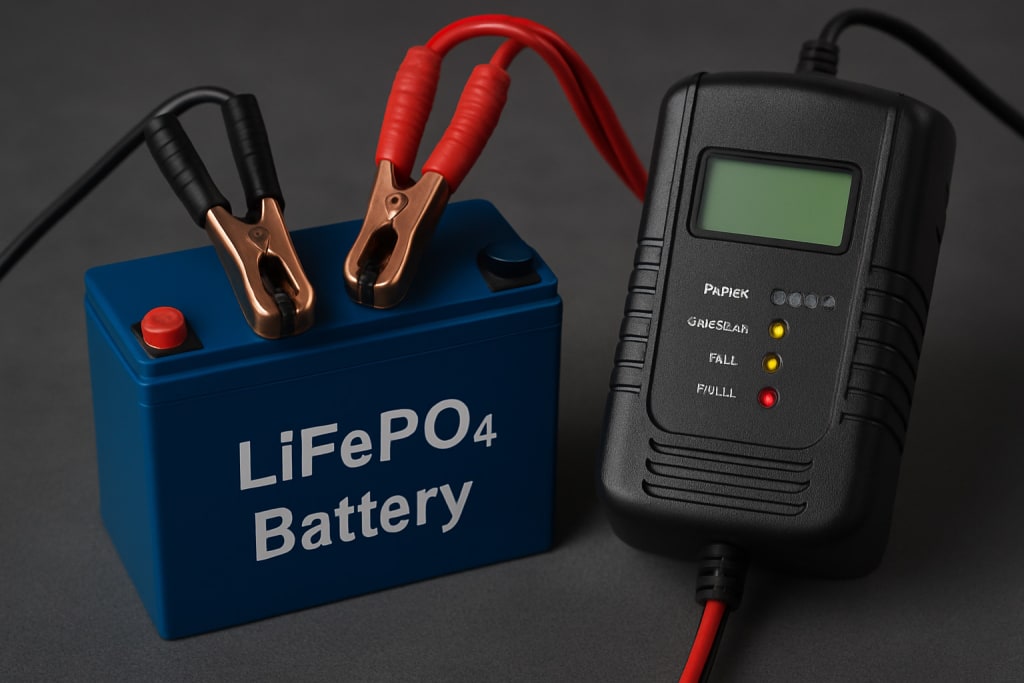
In the realm of modern energy storage, Lithium Iron Phosphate (LiFePO₄) batteries have emerged as a preferred choice for various applications, including RVs, marine systems, solar setups, and backup power solutions. Renowned for their safety, longevity, and efficiency, these batteries offer numerous advantages over traditional lead-acid counterparts. However, to fully harness their potential, it's crucial to understand the importance of using a charger specifically designed for LiFePO₄ batteries. This article delves into why a dedicated charger is not just recommended but essential for maintaining the health and performance of your LiFePO₄ battery.
Understanding LiFePO₄ Battery Charging Requirements
LiFePO₄ batteries possess unique charging characteristics that distinguish them from other battery chemistries. A typical 12V LiFePO₄ battery comprises four cells in series, each with a nominal voltage of 3.2V, culminating in a total of 12.8V. The charging process for these batteries involves two primary stages:
Constant Current (CC) Phase: The charger supplies a steady current, gradually increasing the battery voltage until it reaches the predetermined absorption voltage.
Constant Voltage (CV) Phase: Once the absorption voltage is attained, the charger maintains this voltage, allowing the current to taper off as the battery approaches full charge.
For optimal charging, the absorption voltage should be set between 14.2V and 14.6V, with the charging current typically ranging from 0.2C to 0.5C (where C represents the battery's capacity in amp-hours). For instance, a 100Ah battery would ideally be charged at 20A to 50A.
Risks of Using Non-Dedicated Chargers
Employing a charger not tailored for LiFePO₄ batteries can lead to several issues:
Overcharging: Chargers designed for lead-acid batteries may have higher voltage settings, potentially pushing LiFePO₄ cells beyond their safe voltage limits. This overvoltage can cause cell degradation, reduced capacity, or even safety hazards.
Undercharging: Conversely, some chargers may not reach the necessary voltage thresholds, resulting in incomplete charging cycles. This undercharging can lead to sulfation-like effects, diminishing the battery's performance over time.
Lack of Proper Charging Algorithm: LiFePO₄ batteries require specific charging profiles. Generic chargers might not follow the CC/CV charging method, leading to inefficient charging and potential battery damage.
Absence of Safety Features: Dedicated LiFePO₄ chargers often incorporate safety mechanisms such as overcharge protection, temperature monitoring, and short-circuit prevention. Generic chargers might lack these features, increasing the risk of accidents.
Benefits of Using a Dedicated LiFePO₄ Charger
Investing in a charger specifically designed for LiFePO₄ batteries offers numerous advantages:
Optimized Charging Efficiency: These chargers deliver the precise voltage and current required, ensuring the battery charges fully and efficiently.
Extended Battery Lifespan: By adhering to the correct charging parameters, dedicated chargers help prevent overcharging or undercharging, both of which can shorten a battery's life.
Enhanced Safety: Built-in safety features protect against potential hazards, providing peace of mind during the charging process.
Improved Performance: Proper charging ensures that the battery operates at its peak, delivering consistent and reliable power when needed.
Key Features to Look for in a Dedicated LiFePO₄ Charger
When selecting a charger for your LiFePO₄ battery, consider the following features:
Correct Voltage Settings: Ensure the charger can deliver the appropriate absorption voltage (14.2V to 14.6V for a 12V battery).
Appropriate Charging Current: The charger should offer a current output suitable for your battery's capacity, typically between 0.2C and 0.5C.
CC/CV Charging Profile: This charging method is essential for maintaining battery health and efficiency.
Safety Mechanisms: Features like overcharge protection, temperature monitoring, and short-circuit prevention are crucial for safe operation.
Compatibility with Battery Management Systems (BMS): Some LiFePO₄ batteries come with integrated BMS. Ensure the charger is compatible to avoid conflicts or malfunctions.
Best Practices for Charging LiFePO₄ Batteries
To maximize the benefits of your dedicated charger:
Regular Monitoring: Keep an eye on charging parameters, especially during the initial uses, to ensure everything operates within safe limits.
Avoid Extreme Temperatures: Charge the battery in environments with temperatures between 0°C and 45°C to prevent thermal stress.
Disconnect After Full Charge: While LiFePO₄ batteries are less prone to overcharging, it's still advisable to disconnect the charger once the battery is fully charged.
Periodic Full Discharges: Occasionally allowing the battery to discharge fully before recharging can help calibrate the BMS and maintain accurate state-of-charge readings.
Conclusion
LiFePO₄ batteries offer a host of benefits, from enhanced safety to longer lifespans. However, to fully realize these advantages, it's imperative to use a charger specifically designed for their unique requirements. A dedicated LiFePO₄ charger ensures optimal charging, safeguards against potential hazards, and prolongs the battery's service life. By investing in the right charging equipment and following best practices, you can ensure that your LiFePO₄ battery delivers reliable performance for years to come.
About the Creator
Richye Power
Discover RICHYE Battery, a leading lithium battery manufacturer renowned for excellence in performance and quality. Experience superior reliability and innovative solutions tailored to meet your specific needs.
Keep reading
More stories from Richye Power and writers in Lifehack and other communities.
Shining a Light on Solar Battery Lifespan
Solar batteries form the backbone of any off‑grid or backup power installation, storing energy harvested by your photovoltaic panels for use when the sun sets or clouds roll in. But how long do these batteries actually perform before their capacity fades? In this article, we’ll explore the real‑world lifespan of different solar battery chemistries, the factors that influence longevity, and practical steps you can take to get the most out of your investment.
By Richye Power9 months ago in Lifehack
7" Simple Daily Habits that can change your life
7 Simple Daily Habits That Can Change Your Life Life can often feel overwhelming. With endless responsibilities, constant notifications, and the pressure to succeed, it’s easy to lose track of what really matters. But the good news is, making small, consistent changes in your daily routine can have a huge impact on your overall well-being, happiness, and productivity. Here are seven simple daily habits that, if practiced consistently, can truly change your life. 1. Wake Up Early
By Kawtar Aithammoua day ago in Lifehack
10 Questions to Ask a Painter Before You Sign a Contract
Hiring a painter may seem straightforward, but many Australian homeowners and business owners only realise the risks after they sign a contract. Poor preparation, vague quotes, and unclear responsibilities often lead to budget overruns, delays, or substandard results.
By Anshul Vijayabout 3 hours ago in Lifehack




Comments
There are no comments for this story
Be the first to respond and start the conversation.