
Pool Safety Inspection: Ensuring the Safety of Your Swimming Pool
Pool Safety Inspection: Ensuring the Safety of Your Swimming Pool
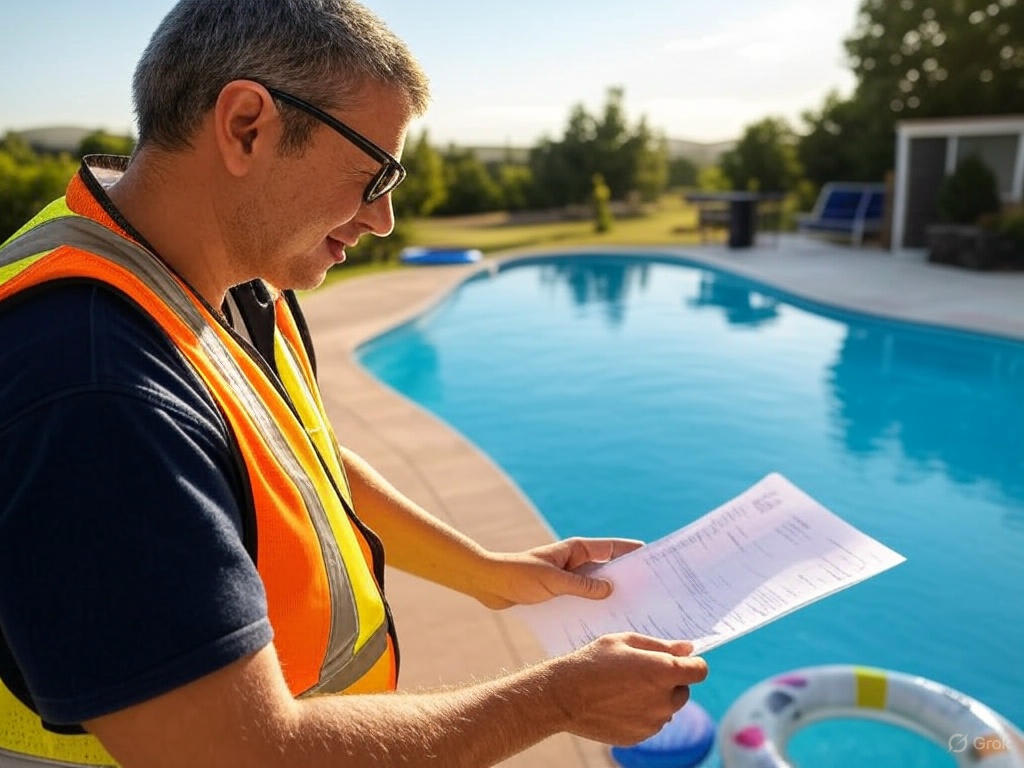
Building a swimming pool is an exciting and rewarding project that adds beauty, relaxation, and entertainment to your home. However, it’s not just about aesthetics or functionality. Pool safety is paramount, not just for your own peace of mind but also to protect your family, friends, and guests from accidents or injuries. This is why regular pool safety inspections are essential.
At Certified Building and Pool Inspections, we understand the importance of a well-constructed, safe pool. Whether you are building a new pool or ensuring that an existing pool complies with local safety regulations in Melbourne, a thorough safety inspection should be at the top of your list. In this blog, we will outline the key elements of a pool safety inspection and why it’s critical for pool owners in Melbourne to ensure their pools meet all safety standards.
Why Pool Safety is Important in Melbourne
Pools can be a lot of fun, but they also come with risks, especially if safety precautions are overlooked. Each year, there are numerous incidents of drowning and other accidents related to swimming pools. According to the Australian Royal Life Saving Society, children under the age of five are at the greatest risk of drowning in backyard pools. However, this risk can be mitigated significantly with proper pool safety measures in place.
In Melbourne, and across Australia, there are strict regulations in place to ensure pool safety. These regulations cover everything from pool barriers to the quality of pool water. A pool safety inspection by a certified expert can help ensure that your pool complies with these regulations and provides a safe environment for everyone.
Melbourne Pool Safety Regulations
Melbourne’s pool safety regulations are designed to reduce the risks associated with swimming pools. The key safety elements typically include the following:
• Pool Barriers and Fencing: Pool fencing is essential to prevent young children and pets from accessing the pool area unsupervised. The fence must meet specific height requirements and be free from climbable objects like trees, furniture, or pool equipment. In addition, the gate must be self-closing and self-latching.
• Gates and Locks: All pool gates must be equipped with a self-latching device to prevent children from opening them. These locks should be placed at a height that is out of reach of young children.
• Pool Alarms: In some cases, pool alarms are required to alert owners when someone enters the pool area. These alarms can be a lifesaver, especially in cases of sudden accidents.
• Water Quality: Ensuring that the water in your pool is clean and free from harmful bacteria is another crucial aspect of pool safety. Regular testing of the water’s chemical balance and filtration system is essential.
• Proper Signage: Adequate signage indicating pool rules, emergency procedures, and safety practices can help guests and family members understand the importance of staying safe around the pool.
Pool Safety Inspection Process in Melbourne
A pool safety inspection should be performed by a certified professional to ensure that your pool meets all the necessary safety regulations in Melbourne. Here are the primary checkpoints that are reviewed during a pool safety inspection:
1. Site Assessment and Initial Planning
The inspection begins with a site assessment. Choosing the right location for your pool is a critical first step. A certified pool inspector will evaluate the surrounding area for potential hazards like tree roots or uneven ground. They will also check the proximity of the pool to high-traffic areas to prevent accidents. This planning phase ensures that your pool is positioned safely and aligns with Melbourne’s strict safety standards.
2. Structural Integrity and Materials
The structural integrity of your pool is another vital safety consideration. Pool construction must adhere to local regulations and building codes. A pool safety inspection checks that the pool is built with high-quality materials and that the construction methods used are sound. The pool’s walls, flooring, and other structural components must be free of cracks or other damage that could compromise safety.
3. Safety Features and Equipment
The safety of your pool extends beyond barriers and fences. Important safety features include non-slip surfaces, proper lighting, and emergency equipment such as life-saving rings and rescue poles. These features should be checked regularly to ensure they meet safety requirements. The inspector will also check that any pool covers, ladders, or steps are in good working condition and free from hazards.
4. Pool Barriers and Fencing
One of the most important aspects of pool safety is the fencing that surrounds the pool area. The inspector will check the height of the fence and ensure there are no climbable objects nearby. Fences must be at least 1.2 meters high, with gaps no larger than 100mm. Gates must be self-closing and self-latching. Any gaps or defects in the fencing are flagged for correction to prevent unauthorized access to the pool.
5. Water Quality and Hygiene
A clean pool is a safe pool. Poor water quality can lead to a host of health problems, from skin infections to gastrointestinal issues. During the inspection, the inspector will test the water’s pH levels and ensure that the filtration system is working effectively. They may also assess the cleanliness of the pool’s surface and surroundings, checking for any debris that could cause injury or contamination.
6. Emergency Preparedness and Response
While it’s crucial to prevent accidents, it’s equally important to be prepared in case one occurs. The pool inspector will review your emergency response plan, checking that you have the necessary safety equipment such as life rings, poles, and a first aid kit readily available. They will also ensure that pool owners and regular pool users are familiar with basic first aid and CPR techniques, which can be life-saving in emergencies.
Pool Safety Inspections in Melbourne: Compliance and Peace of Mind
At Certified Building and Pool Inspections, we understand the responsibility of maintaining a safe pool. Pool safety inspections not only help ensure that you comply with local Melbourne regulations, but they also provide peace of mind knowing that your pool is safe for your family, friends, and guests. By staying up to date with regular pool safety checks, you ensure a safe environment for everyone who uses your pool.
In Melbourne, pool safety regulations are frequently updated to reflect evolving safety standards and to address new risks that may arise. Whether you're constructing a new pool, purchasing a property with a pool, or simply performing routine maintenance on an existing pool, regular inspections are an essential part of keeping your pool in top shape.
Conclusion
At Certified Building and Pool Inspections, we understand how essential it is to ensure that your pool is safe for everyone who uses it. Regular pool safety inspections are a necessary part of responsible pool ownership in Melbourne. These inspections not only help you comply with local regulations but also provide peace of mind, knowing that your pool is a safe, enjoyable space for all.
From ensuring that barriers are secure and water quality is maintained to evaluating the condition of the pool’s structural elements, pool safety inspections cover a wide range of important factors. Whether you’re building a new pool or maintaining an existing one, a certified inspection by professionals ensures that your pool is a safe, secure, and compliant environment for everyone.
If you’re looking for a trusted pool safety inspection service in Melbourne, contact Certified Building and Pool Inspections today. Let us help you ensure that your pool is safe, secure, and in full compliance with local safety standards.
About the Creator
Certified Building and Pool Inspections
Certified Building and Pool Inspection offers expert building and pool inspections in pakenham and others suburbs in Melbourne . We ensure safety, compliance, and prevent costly repairs for property owners.
Keep reading
More stories from writers in Lifehack and other communities.
Avoiding Common Moving Mistakes in Rockville, Maryland
Practical local insights to help Rockville residents plan a smoother, less stressful move Moving to or within Rockville, Maryland, may seem straightforward at first, but many residents discover that local details can significantly impact how smooth—or stressful—the process becomes. From traffic congestion along Rockville Pike to strict building policies in apartment complexes and HOA-managed communities, moving day in Rockville requires more planning than people often expect.
By House Doctor4 days ago in Lifehack
Why Your Gut Health Affects Your Weight Loss Results
You've been eating right and exercising regularly, but the scale won't budge. Your gut health might be the missing piece of your weight loss puzzle. The trillions of bacteria living in your digestive system control hunger hormones, influence how your body stores fat, and determine whether you burn calories efficiently or hold onto stubborn weight.
By LaMarion Ziegler4 days ago in Lifehack
After the Storm
After the storm of winter snow there sat a small bear by the name Ted, of course. He loves the snow and likes to roll around in it making all sorts of trails and whatever he has a mind to do. He wondered where all the people are, but in a way, he is hoping that they are all snug in the homes maybe drinking hot chocolate-one of his favorite drinks with mini-marshmallows and eating something homemade for he likes this winter wonderland all to himself to romp and play and maybe even catch some fish down by the river.
By Mark Graham4 days ago in Fiction



Comments
There are no comments for this story
Be the first to respond and start the conversation.