
Planning Your First Annapurna Trip: Tips for a Safe and Enjoyable Trek
Travel
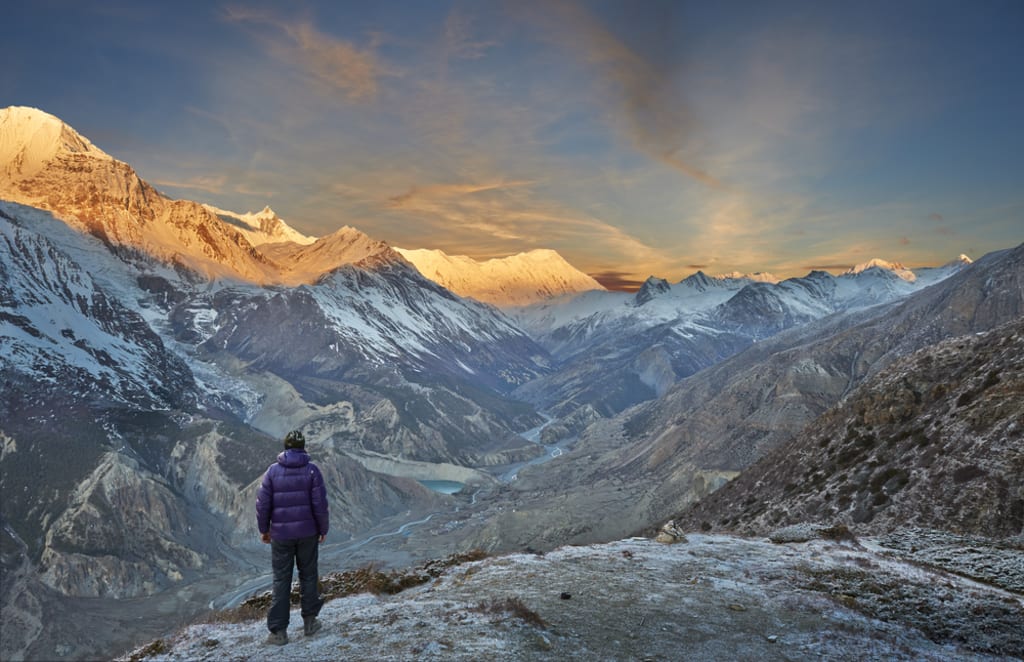
Embarking on a trek to the Annapurna region is a dream for many adventure enthusiasts. Known for its breathtaking landscapes, diverse cultures, and stunning mountain views, the Annapurna region offers an unforgettable trekking experience. Whether you're preparing for the Annapurna Circuit, the Annapurna Base Camp trek, or any other route in this majestic area, careful planning is crucial for a safe and enjoyable journey. Here are some essential tips to help you prepare for your first annapurna trip.
1. Choose the Right Trek for Your Experience Level
Annapurna Circuit
The Annapurna Circuit is one of the most popular treks in Nepal. It’s a multi-day journey that takes you around the Annapurna massif, offering stunning views and a variety of landscapes. The trek can take between 15 to 20 days, depending on your pace and itinerary. It’s suitable for those with a moderate level of fitness and trekking experience.
Annapurna Base Camp Trek
The Annapurna Base Camp (ABC) trek is another fantastic option, offering spectacular views of Annapurna and surrounding peaks. This trek usually takes around 7 to 12 days and is considered slightly less challenging than the Annapurna Circuit, making it a good choice for those with a moderate level of fitness and less trekking experience.
Shorter Treks
For those with limited time or less experience, shorter treks such as the Ghorepani Poon Hill trek offer stunning sunrise views and a taste of the Annapurna region's beauty. This trek typically takes around 4 to 5 days and is suitable for beginners.
2. Prepare Physically and Mentally
Physical Preparation
Trekking in the Annapurna region requires good physical fitness. Begin your preparation at least a few months before your trip. Focus on cardiovascular exercises, strength training, and endurance-building activities. Hiking with a loaded backpack and walking on varied terrain can help simulate trekking conditions.
Mental Preparation
Trekking in the Himalayas can be mentally challenging due to the remote location and changing weather conditions. Mental preparation involves being ready for the potential ups and downs of trekking, including altitude sickness and unpredictable weather. Stay positive and be prepared to adapt your plans as needed.
3. Plan Your Itinerary Carefully
Duration and Altitude
Plan your trek duration based on your experience and fitness level. Allow extra days for acclimatization to avoid altitude sickness. For instance, the Annapurna Circuit typically requires around 15 to 20 days, while the Annapurna Base Camp trek generally takes 7 to 12 days.
Acclimatization
Proper acclimatization is essential to prevent altitude sickness. Plan for rest days at higher altitudes and follow the "climb high, sleep low" principle. This means that you should ascend to higher altitudes during the day but sleep at lower elevations to give your body time to adjust.
4. Pack Wisely
Clothing
Layering is key to staying comfortable during your trek. Pack moisture-wicking base layers, insulating mid-layers, and a waterproof outer layer. Don’t forget to bring a good pair of trekking boots, socks, gloves, and a hat.
Gear
Essential trekking gear includes a durable backpack, trekking poles, a sleeping bag rated for cold temperatures, and a headlamp with extra batteries. Consider packing a first aid kit, a water purification method, and trekking maps or a GPS device.
Personal Items
Bring personal items such as sunscreen, lip balm, and insect repellent. If you have any specific medications, ensure you have enough for the entire trek. Also, carry a reusable water bottle to stay hydrated and reduce plastic waste.
5. Understand Local Customs and Culture
Respect Local Traditions
The Annapurna region is home to diverse ethnic communities, including the Gurung, Magar, and Thakali people. Respect local customs and traditions, and be mindful of cultural practices. Learning a few basic phrases in Nepali can go a long way in fostering positive interactions with locals.
Tipping
Tipping is customary in Nepal and is a way to show appreciation for the services provided by guides, porters, and other staff. While tipping amounts can vary, a general guideline is to allocate around 10% of your total trek cost for tipping.
6. Stay Safe and Healthy
Altitude Sickness
Altitude sickness can affect trekkers at high elevations. Symptoms include headaches, dizziness, nausea, and shortness of breath. If you experience severe symptoms, descend to a lower altitude immediately and seek medical attention. Acclimatization and gradual ascent are key to preventing altitude sickness.
Hydration and Nutrition
Stay well-hydrated by drinking plenty of water. Avoid alcohol and excessive caffeine, which can contribute to dehydration. Eat a balanced diet with a mix of carbohydrates, proteins, and fats to maintain energy levels during the trek.
Health Precautions
Ensure you have travel insurance that covers trekking and medical emergencies. Carry a basic first aid kit and know how to use it. Be cautious about drinking water from untreated sources and use purification methods when needed.
7. Book with Reliable Operators
Choosing a Tour Operator
Selecting a reliable tour operator can make a significant difference in your trekking experience. Look for operators with good reviews, experienced guides, and proper safety protocols. Consider operators that offer sustainable and responsible trekking practices.
Permits and Documentation
Ensure that your tour operator handles all necessary permits and documentation for your trek. The Annapurna Conservation Area Permit (ACAP) and the TIMS (Trekkers' Information Management System) card are required for trekking in the Annapurna region. Your operator should assist with obtaining these permits and annapurna tour.
Conclusion
Planning your first Annapurna trip requires careful consideration of your trek choice, physical and mental preparation, itinerary, packing, local customs, safety, and reliable operators. By following these tips, you can ensure a safe, enjoyable, and memorable trekking experience in one of Nepal’s most spectacular regions. Whether you're marveling at the stunning mountain views or immersing yourself in the local culture, the Annapurna region offers a journey of a lifetime.
About the Creator
Keep reading
More stories from Salman Thavertech and writers in Lifehack and other communities.
Conquer the Annapurna Circuit: Tips for an Unforgettable Trekking Experience
The Annapurna Circuit Trek Tour is a bucket-list adventure for trekking enthusiasts from around the globe. This legendary trek offers breathtaking scenery, cultural encounters, and an exhilarating sense of achievement as you navigate the diverse landscapes of Nepal. Whether you're a seasoned hiker or a novice adventurer, these tips will help you conquer the Annapurna Circuit and ensure an unforgettable trekking experience.
By Salman Thavertechabout a year ago in Lifehack
Why Creators Feel Rushed in the Age of Endless Content
Not long ago, creative work followed a slower, more deliberate rhythm. Artists had time to sit with ideas, revise them, and release their work when it felt ready. Today, that rhythm has changed. Creativity now lives inside an attention-driven digital world where timing often matters as much as talent.
By Beat Viz aia day ago in Lifehack
Mexico Vape Ban 2026: Tourists Face $12,500 Fines & Jail
Mexico has enforced a draconian prohibition on all vaping devices, enacting a total ban on their importation, distribution, and sale effective January 17. The decree, published in the Official Gazette of the Federation (DOF), reforms the General Health Law to eliminate the legal vape market entirely. For international tourists arriving for the 2026 FIFA World Cup, this poses immediate legal risks: bringing a vape into the country—even for personal use—can result in confiscation, detention, and fines reaching up to $12,500.
By Matthew Ma2 days ago in Lifehack




Comments
There are no comments for this story
Be the first to respond and start the conversation.