
Conquer the Annapurna Circuit: Tips for an Unforgettable Trekking Experience
Annapurna Trek
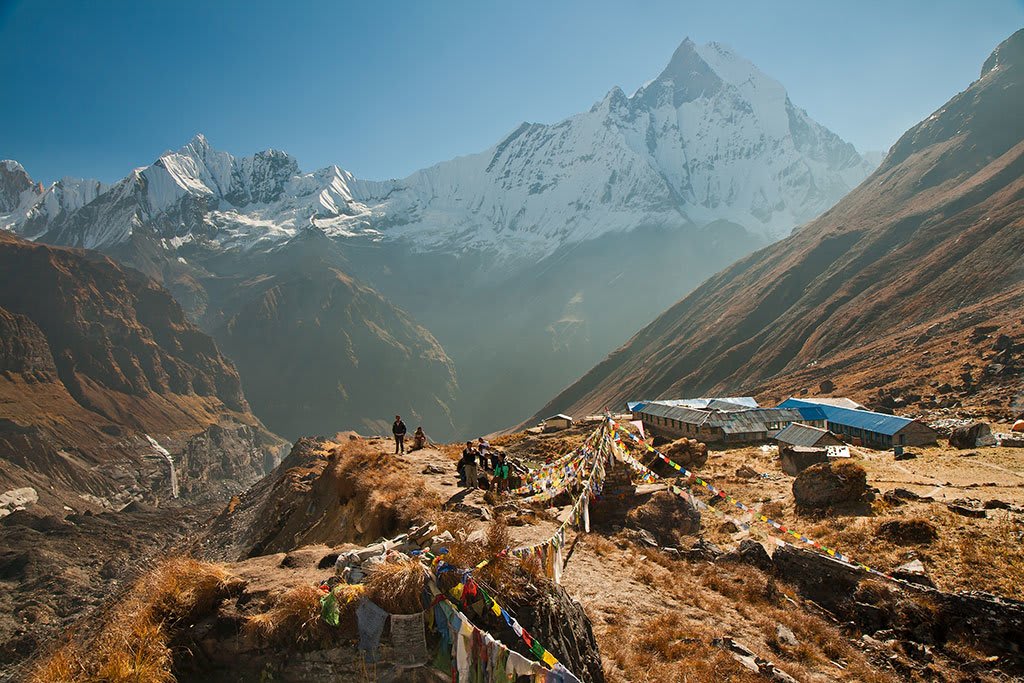
The Annapurna Circuit Trek Tour is a bucket-list adventure for trekking enthusiasts from around the globe. This legendary trek offers breathtaking scenery, cultural encounters, and an exhilarating sense of achievement as you navigate the diverse landscapes of Nepal. Whether you're a seasoned hiker or a novice adventurer, these tips will help you conquer the Annapurna Circuit and ensure an unforgettable trekking experience.
1. Plan Your Annapurna Circuit Trek Tour in the Right Season
Choosing the right time for your annapurna circuit trek tour is crucial. The best seasons are spring (March to May) and autumn (September to November). During these periods, you'll experience mild weather, clear skies, and stunning views of the Annapurna and Dhaulagiri mountain ranges. Avoid the monsoon season (June to August) due to heavy rainfall and potential landslides, as well as the winter months (December to February) when the high passes can be snow-covered and challenging.
2. Prepare Physically and Mentally
The Annapurna Circuit Trek Tour is demanding, covering approximately 160-230 km (100-145 miles) and reaching an altitude of 5,416 meters (17,769 feet) at Thorong La Pass. Proper physical preparation is essential. Incorporate cardiovascular exercises, strength training, and hiking with a weighted backpack into your routine. Mental preparation is equally important; be ready for long days of trekking, unpredictable weather, and altitude-related challenges.
3. Pack Wisely for the Trek
Packing the right gear can make or break your Annapurna Circuit Trek Tour experience. Essential items include:
Sturdy Hiking Boots: Comfortable, broken-in boots with good ankle support.
Layered Clothing: Moisture-wicking base layers, insulating mid-layers, and waterproof outer layers.
Sleeping Bag: A warm sleeping bag rated for temperatures below freezing.
Trekking Poles: Useful for stability and reducing strain on your knees.
Hydration System: Water bottles or a hydration bladder to ensure you stay hydrated.
First Aid Kit: Include altitude sickness medication, blister treatment, and basic medical supplies.
4. Acclimatize Properly to Avoid Altitude Sickness
Altitude sickness is a significant concern on the Annapurna Circuit Trek Tour. To minimize the risk, take your time and follow the principle of "climb high, sleep low." Spend extra nights at key points such as Manang and Yak Kharka to acclimatize. Stay hydrated, avoid alcohol, and listen to your body. If symptoms of altitude sickness persist, descend immediately to a lower altitude.
5. Respect Local Culture and Traditions
The Annapurna Circuit Trek Tour takes you through diverse ethnic communities, including Gurung, Thakali, and Tibetan-influenced villages. Show respect for local customs and traditions. Dress modestly, ask for permission before taking photos, and learn a few basic phrases in Nepali to enhance your interactions with locals. Participate in cultural experiences such as visiting monasteries, attending traditional festivals, and enjoying local cuisine.
6. Stay Hydrated and Eat Well
Maintaining proper nutrition and hydration is vital for sustained energy and endurance. Drink plenty of water, aiming for at least 3-4 liters per day. Refill your water bottles at teahouses or use a water purification system. Eat a balanced diet with carbohydrates, proteins, and fats. Try local dishes such as dal bhat (lentil soup with rice), momos (dumplings), and Tibetan bread for a taste of Nepalese cuisine.
7. Hire a Guide and Porter
While the Annapurna Circuit Trek Tour can be done independently, hiring a guide and porter can enhance your experience. A knowledgeable guide provides valuable insights into the region's culture, history, and natural features. A porter helps carry your heavy load, allowing you to focus on enjoying the trek. Hiring local staff also supports the local economy and ensures you have assistance in case of emergencies.
8. Stay Connected with Loved Ones
Although the Annapurna Circuit Trek Tour takes you through remote areas, staying connected is possible. Purchase a local SIM card in Kathmandu or Pokhara to access mobile data and make calls. Wi-Fi is available at most teahouses for a small fee. Share your progress and experiences with loved ones to keep them informed and ease their concerns.
9. Embrace Flexibility and Patience
Trekking the Annapurna Circuit requires a flexible mindset. Weather conditions, trail closures, and other unexpected events may alter your plans. Embrace the adventure and remain patient. Remember that the journey itself is as rewarding as reaching the destination. Take time to enjoy the stunning scenery, interact with fellow trekkers, and immerse yourself in the natural beauty of the Himalayas and annapurna trek tour
10. Capture and Preserve Memories
Document your Annapurna Circuit Trek Tour through photos, videos, and a travel journal. Capture the awe-inspiring landscapes, unique cultural encounters, and personal milestones. These memories will serve as a lasting reminder of your incredible journey. Respect the environment by following Leave No Trace principles, ensuring that the beauty of the Annapurna Circuit remains pristine for future generations.
Conclusion
The Annapurna Circuit Trek Tour is a life-changing adventure that offers unparalleled beauty and cultural richness. By planning carefully, preparing thoroughly, and respecting the local environment and communities, you can conquer the Annapurna Circuit and create unforgettable memories. Embrace the challenges, savor the triumphs, and let the majestic Himalayas inspire you on this extraordinary trekking journey.
About the Creator
Keep reading
More stories from Salman Thavertech and writers in Lifehack and other communities.
Annapurna Base Camp: The Ultimate Adventure for Nature Lovers
Are you a nature enthusiast seeking an adventure that blends breathtaking landscapes with a touch of Himalayan grandeur? Look no further than the Annapurna Base Camp (ABC) trek—a journey that promises to captivate your senses and offer unparalleled experiences amidst the majestic Annapurna Range. In this blog, we’ll explore why the Annapurna Base Camp trek is considered the ultimate adventure for nature lovers and what makes it a must-do trek.
By Salman Thavertechabout a year ago in Lifehack
Living in Baltimore, Maryland: Everyday Life Across Neighborhoods and Traditions
Baltimore, Maryland, is a city shaped by contrast. Historic rowhouses stand beside modern developments, quiet residential blocks exist just minutes from busy commercial corridors, and long-standing traditions blend with new ways of living. Daily life in Baltimore is not defined by a single pace or identity but by the ability of residents to navigate variety, adapt to change, and build routines that reflect both community and individuality.
By House Doctorabout 13 hours ago in Lifehack


Comments
There are no comments for this story
Be the first to respond and start the conversation.