
Pens down. Cameras off.
Why therapy for journalists is mightier than the sword.
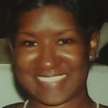

I lived quite the life after graduating from college. Working in entertainment brought me to award shows, movie premieres, concerts, Red Carpets, athletic events, parties and late nights at 24-hour diners.
And, lots of writing.
The days were packed. They seemed to meld into each other. I didn't know what day it was. But, I knew I had writing to do. I had phone calls to make. Los Angeles traffic to navigate. People to meet. Questions to ask. Laughing, consoling and boundary setting to do. Food to eat. Water to drink. Tapes to rewind to get every word of that quote. Names to spell correctly. Photos to pore over.
Tending to my family's needs at a moment's notice.
Then, back to writing.
After a while, I left entertainment for the corporate world. But, nothing had changed. Writing was still weighty.

Being a journalist, an editor or a publicist takes calm. You need a calm mind to process the chaos of gathering and providing information. You need strength to interview families dealing with loss. You need to be happy when talking to those who want to spread good news. You need resolve when seeing the sadness in the eyes of people who'd just won an award.
You need calm to put pen to pad enough times to help people determine how they should move in the world. You need the sensitivity to understand your audiences include people who do not look, act or speak like you. You need to correct misspellings and misinformation quietly.
Journalism is not easy. You want people to read what you have written. You want people to discuss your work with you and others. You want honesty. You want the 12-hour, donut-filled deadline days to mean something. You want people to understand the hard work of journalism.
You may even want praise.

After being praised for my writing and editing, I discovered life has a red pen. My left arm and leg went numb on a Thursday night at home. My words slurred as I desperately called for help.
Being a quiet writer who successfully suppressed racism, ageism and sexism in order to meet deadlines landed me in the hospital with a Transient Ischemic Attack, commonly known as a TIA or mini stroke.
I was hospitalized overnight. The next day was filled with bloodwork and radiology visits to determine the source(s) of the incident.
My doctor visited me before I was discharged from the hospital. I asked him if I was well enough to attend a concert the next day.
He smiled and said, "Live your life."

The next day, I attended the Playboy Jazz Festival. No way was I going to miss my favorite brass band from one of my favorite cities. I was at the Hollywood Bowl, dancing and thinking about my doctor's words as the award-winning group performed its hit song. It was a call to be free.
Fun aside, I soon learned that I was not free to do what I want to.
The week after my hospitalization, my healthcare provider sent me literature about behavioral therapy. I'd tried therapy once in my early 20s after my first heartbreak. I determined that I didn't need therapy.
I felt the same way when I read the literature, advising members to visit a therapist if they felt a sense of loss or low self-worth after having a stroke. I scoffed at this notion. I was fine.
As the months passed, I understood that I was wrong. Neither several Black-tie events nor more writing could help me shake the effects of writing's weight. I was exhausted. My mother was ill the year before. Balancing supporting her in the hospital with meeting work deadlines (that encompassed lots of writing) took its toll on me.
I was in denial until I wasn't.

Writing is arguably one of the world's most dangerous occupations. Your front-page articles, post-game interviews, op-eds and think pieces allow you to carry the world on your shoulders. You have to deal with people who do not like the media. You often cover highs and lows in the same day.
Then, you have the weight of taking care of your loved ones. At times, heaviness is an understatement.
Pens, paper, microphones and cameras are must-haves in the journalism world. Every journalist -- aspiring, contracted or freelance -- should also have a therapist. If you're a journalist wondering how to get a therapist, here are a few things you may want to consider.
1. Therapy is not a sign of weakness. It is a sign of strength as you seek to navigate what lay ahead. Just like it takes a team to bring stories to the public, it sometimes takes a team to bring your best self to the world. Therapists are there when that sometimes is necessary.
2. Therapy is confidential. Unless what you share warrants intervention that is not within your therapist's scope of expertise, he/she will not divulge your conversations to outside parties.
3. Your company's onboarding materials may provide behavioral health resources. If your company does not provide behavioral health as an insurance benefit, suggest that they do.
4. If your company cannot assist, your family members may. Who knows? They may have been afraid to ask you to seek family, pre-marital or marital counseling with them. Discuss therapy with them.
5. Do an extensive search of behavioral health centers in your neighborhood. You are advocating for you, so call ones that most align with your goals. Leave no stone unturned when you speak with someone. Therapy is not one size fits all, so ask what services the centers offer.

Therapy was beneficial in order for me to heal from the shame of not continuing it in my 20s. I desperately needed to depart writing's emotional rollercoaster. I'd absorbed my subjects too much, never giving myself time to relish the experiences that writing afforded me. My TIA affected my self-worth. So, I called my provider's behavioral health department.
After answering a series of questions, I was paired with my therapist of several years. Discussing things that weighed on me the longest and allowing the therapist to "interview" me to offer more weight loss solutions helped. I understood that I didn't have to be everywhere all of the time. I could say, "No," to assignments that may have posed an internal conflict.
I re-learned the benefits of rest, exercise and healthy eating.
As grief sidelined my ability to write, group therapy made me see that I was not alone in learning how to reconnect to my bread and butter after loss.
In short, therapy has helped me put years of (writing- and life-related) stresses behind me.
It has given me a rebirth. I can do what I wanna. Within reason.
About the Creator
Jevaillier Jefferson
Los Angeles-based, HBCU-educated editorial consultant.
Keep reading
More stories from Jevaillier Jefferson and writers in Lifehack and other communities.
Common Mistakes to Avoid When Using Whey Protein Powder
Whey protein looks simple. Mix it, shake it, and drink it done. Yet a lot of people use it the wrong way and then wonder why they don’t see results. Whey isn’t magic. It’s a supplement. When you use it properly, it supports strength, recovery, and lean muscle growth. When you misuse it, it becomes expensive flavoured milk.
By Lakshay Gulati5 days ago in Lifehack




Comments
There are no comments for this story
Be the first to respond and start the conversation.