
Peanut Butter Benefits
Know benefits of peanut butter, including its high protein and healthy fat content, as well as its potential to reduce inflammation, improve cognitive function, and lower the risk of heart disease and diabetes. Learn more about the benefits of peanut butter and how to enjoy it in a healthy way.

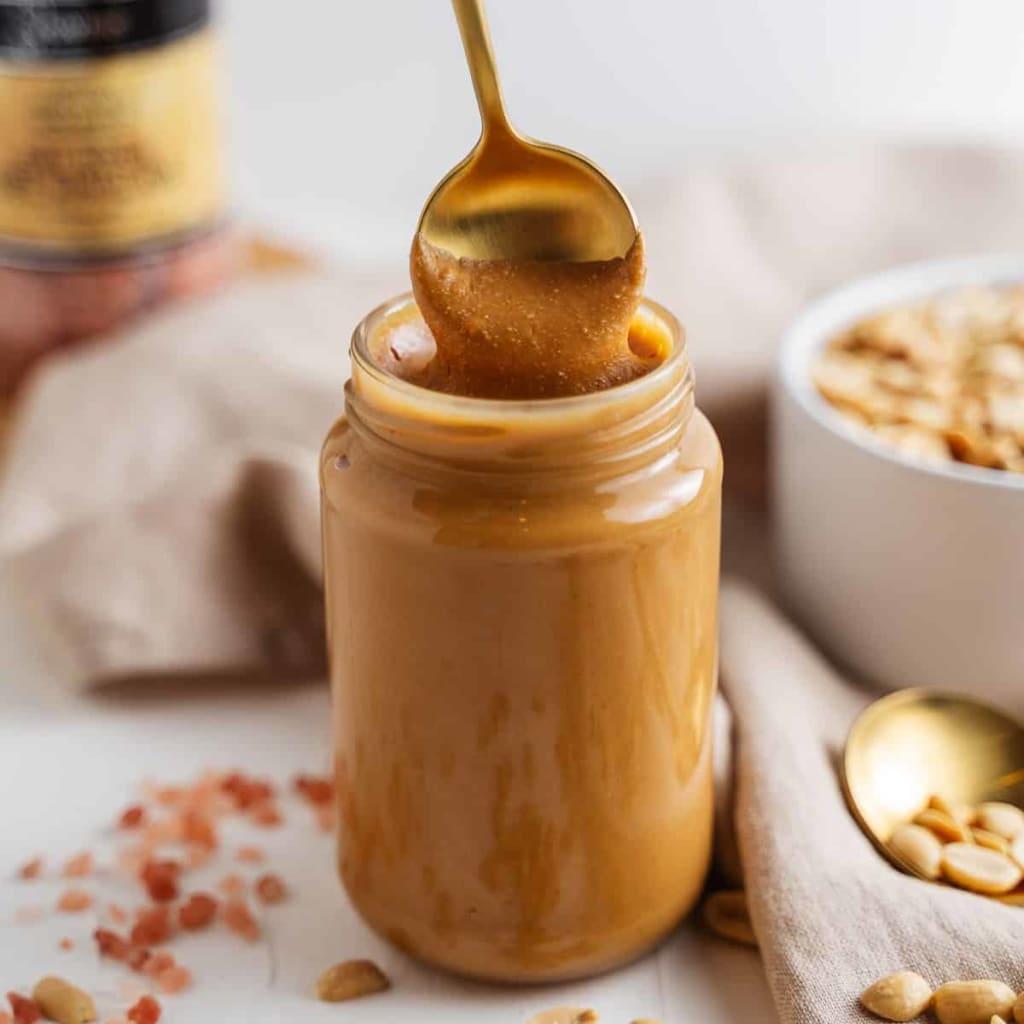
Peanut butter is a delicious and popular food that has been enjoyed for generations. In addition to its great taste, it also offers a variety of health benefits. In this article, we'll take a closer look at the many peanut butter benefits, including its nutritional content, potential health benefits, and ways to incorporate it into your diet.
Peanut Butter Benefits for Nutrition
Peanut butter is a nutrient-dense food that is packed with essential vitamins, minerals, and healthy fats. One of the most notable peanut butter benefits is its high protein content. In fact, just two tablespoons of peanut butter contain about 7 grams of protein. Protein is essential for building and repairing muscle tissue, and it can also help you feel fuller for longer periods of time.
In addition to protein, peanut butter is also a good source of healthy fats. The majority of the fat in peanut butter is monounsaturated and polyunsaturated fat, which can help improve heart health and reduce inflammation in the body. Peanut butter also contains fiber, which is important for maintaining healthy digestion and preventing constipation.
Peanut butter is also rich in several essential vitamins and minerals, including vitamin E, magnesium, potassium, and iron. These nutrients are important for supporting overall health and wellbeing, and they can help prevent nutrient deficiencies and related health problems.
Peanut Butter Benefits for Health
In addition to its nutritional content, peanut butter may offer a variety of potential health benefits.
Here are some of the top peanut butter benefits for health:
Lower risk of heart disease: Several studies have suggested that consuming peanuts and peanut butter regularly may help lower the risk of heart disease. This is likely due to the high content of healthy fats, fiber, and other nutrients in peanut butter.
Reduced inflammation: The healthy fats in peanut butter may also help reduce inflammation in the body, which is a key factor in many chronic diseases, including cancer, diabetes, and heart disease.
Improved cognitive function: Some research has suggested that consuming peanut butter regularly may help improve cognitive function and reduce the risk of age-related cognitive decline.
Lower risk of diabetes: Peanuts and peanut butter have a low glycemic index, which means they have a minimal impact on blood sugar levels. This may help lower the risk of diabetes and related health problems.
Weight management: Despite its high calorie content, studies have suggested that consuming peanut butter in moderation may actually help with weight management, as it can help increase feelings of fullness and reduce overall calorie intake.
Incorporating Peanut Butter into Your Diet
There are many ways to incorporate peanut butter into your diet to take advantage of its many benefits. Here are some ideas:
Spread peanut butter on toast or whole grain crackers for a quick and easy snack.
Add peanut butter to smoothies or protein shakes for extra flavor and nutrition.
Use peanut butter as a dip for apple slices or other fruit.
Make a classic peanut butter and jelly sandwich for a simple and satisfying meal.
Use peanut butter as a cooking ingredient in recipes like Thai peanut sauce, peanut butter cookies, or peanut butter pancakes.
Conclusion
Peanut butter is a delicious and nutritious food that offers a variety of health benefits. Its high protein and healthy fat content make it a great choice for building muscle, improving heart health, and reducing inflammation. By incorporating peanut butter into your diet, you can enjoy its many benefits and add flavor and nutrition to your meals and snacks. Remember to choose a high-quality, natural peanut butter with minimal added ingredients to get the most out of this tasty and beneficial food.
When it comes to enjoying peanut butter, moderation is key. While peanut butter is a nutritious food, it is also high in calories and fat. It's important to watch portion sizes and choose natural peanut butter without added sugars and oils. Some commercial peanut butters may contain added sugars, salt, and hydrogenated oils, which can counteract some of the health benefits of peanut butter.
In summary, peanut butter benefits are numerous, from its high protein and healthy fat content to its potential health benefits for reducing inflammation, improving cognitive function, and lowering the risk of heart disease and diabetes. By incorporating peanut butter into your diet in a healthy way, you can enjoy its many benefits and delicious taste.
About the Creator
Steadfast Nutritions
Premium sports and Best Nutrition Brand in india. We provide the best quality whey proteins, Mass gainer & wellness products. We dutifully follow the guidelines of ICMR, FSSAI and WHO & ensure our products are steroid and heavy-metal free.
Keep reading
More stories from Steadfast Nutritions and writers in Lifehack and other communities.
Four Ways To Extend the Lifespan Of Your Natural-Materials Home
Homes made from natural materials have unique needs to support their longevity. Homes made from natural materials can have a long lifespan and use energy more efficiently than standard materials. You can extend the lifespan of those materials with certain products and practices.
By Andrew Lemieux5 days ago in Lifehack



Comments
There are no comments for this story
Be the first to respond and start the conversation.