
Payroll Security, PEO Insurance, and HR Outsourcing: A Comprehensive Guide
PEO Connection
In today’s fast-paced business environment, ensuring the security of payroll systems, managing employee benefits, and streamlining human resources (HR) operations are critical for organizational success. Professional Employer Organizations (PEOs) have become a popular solution for businesses looking to optimize these functions. This article explores payroll security, PEO insurance, PEO health insurance, and HR outsourcing, offering insights into how PEOs can benefit businesses.
The Importance of Payroll Security
Payroll systems are at the core of any business operation, ensuring employees are paid accurately and on time. However, these systems are vulnerable to threats such as cyberattacks, internal fraud, and data breaches. Payroll security is essential to protect sensitive employee information, maintain compliance, and prevent financial losses.
Best Practices for Payroll Security:
Use Secure Systems: Opt for encrypted payroll software that complies with industry standards.
Limit Access: Only authorized personnel should have access to payroll data.
Regular Audits: Conduct frequent checks to identify discrepancies or vulnerabilities.
Employee Training: Educate employees about phishing scams and other cyber threats.
PEOs can play a crucial role in enhancing payroll security by offering robust systems managed by experts. This reduces the burden on small business owners while ensuring compliance with data protection laws.
What is PEO Insurance?
PEO insurance refers to the insurance services offered by PEOs as part of their co-employment model. PEOs partner with businesses to provide access to comprehensive insurance coverage while managing administrative tasks like compliance and risk management.
Types of PEO Insurance:
Workers' Compensation Insurance: Protects businesses and employees by covering medical expenses and lost wages resulting from workplace injuries.
General Liability Insurance: Provides coverage for claims involving bodily injury, property damage, or legal issues.
Employment Practices Liability Insurance (EPLI): Shields businesses from claims related to wrongful termination, discrimination, or harassment.
By pooling employees from multiple businesses, PEOs can negotiate better insurance rates and coverage, making it an attractive option for small and medium-sized enterprises (SMEs).
PEO Health Insurance: A Competitive Advantage
Attracting and retaining talent is a priority for businesses, and offering competitive health benefits is key. PEOs provide access to high-quality health insurance plans at reduced rates, which are otherwise difficult for small businesses to secure independently.
Benefits of PEO Health Insurance:
Cost Savings: PEOs leverage their buying power to offer affordable plans.
Employees gain access to extensive networks and better coverage options.
Compliance Assurance: PEOs handle the complexities of healthcare regulations, including the Affordable Care Act (ACA).
Outsourcing health insurance to a PEO not only benefits employees but also relieves employers from administrative burdens, allowing them to focus on strategic growth.
PEO HR Outsourcing: Streamlining Business Operations
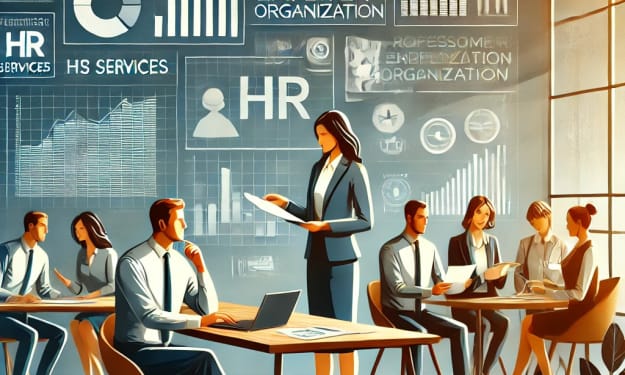
HR outsourcing through a PEO involves delegating HR tasks such as recruitment, onboarding, payroll, compliance, and employee relations to a third-party provider. This solution is particularly beneficial for businesses that lack in-house HR expertise or wish to save on operational costs.
Key HR Functions Managed by PEOs:
Recruitment and Talent Management: Finding the right candidates and enhancing employee engagement.
Compliance Management: Staying updated on labor laws and regulatory changes.
Employee Training: Offering professional development programs and compliance training.
Conflict Resolution: Handling workplace disputes and ensuring a positive work environment.
Outsourcing HR functions to a PEO ensures efficiency, reduces risks, and allows businesses to focus on their core competencies.
How PEOs Support Small Businesses
PEOs act as strategic partners for businesses, providing a comprehensive suite of services that extend beyond HR and insurance. Here’s how PEOs add value:
Cost Efficiency: By consolidating services like payroll, benefits, and insurance, PEOs help businesses save money.
Risk Mitigation: PEOs handle compliance and legal responsibilities, reducing liability for businesses.
Scalability: PEO services adapt to the changing needs of growing businesses.
Conclusion
In an increasingly competitive market, businesses must prioritize payroll security, offer attractive benefits like health insurance, and streamline HR processes. PEOs provide an all-in-one solution that not only addresses these needs but also enables businesses to focus on growth and innovation.
By leveraging the expertise and resources of a PEO, companies can navigate the complexities of modern business operations with confidence, ensuring both employee satisfaction and organizational success. Whether you're looking to enhance payroll security, explore PEO insurance options, or outsource HR tasks, partnering with a PEO could be the game-changer your business needs.
About the Creator
PEO Connection
PEO Connection helps you find top Professional Employer Organization (PEO) services for HR, payroll, and compliance. Save time and money with their matching tool, connecting you to the best providers. Visit PEO Connection to get started.
Keep reading
More stories from PEO Connection and writers in Lifehack and other communities.
PEO Services Made Simple: Your Guide to the Best Providers for Small Businesses
In today’s dynamic business environment, small businesses face numerous challenges, from managing payroll and compliance to providing employee benefits. One solution that has gained traction among small business owners is partnering with a Professional Employer Organization (PEO). By outsourcing human resources functions to a PEO service provider, businesses can streamline their operations and focus on growth. But with so many options available, how do you identify the best PEO services for your needs?
By PEO Connectionabout a year ago in Lifehack
Zojirushi BB HAC10 vs BB SSC10: Which One Should You Buy?
Choosing between the Zojirushi bb hac10 vs bb ssc10 can feel confusing when both promise great homemade bread in a compact size. I like how each model focuses on small 1-pound loaves, which fit typical U.S. households and reduce waste.
By Mohammed mamun6 days ago in Lifehack
Southern Paws Boxers Puppies: Pricing, Temperament, and Buying Guide
Choosing a Boxer puppy is not just about finding a cute companion. It is about selecting a healthy, well bred dog that fits your lifestyle for the next decade or more. Many buyers searching for regional breeders often come across Southern Paws Boxers. Before making any commitment, it is important to understand the breed, realistic pricing expectations, and the standards that separate responsible breeders from questionable ones.
By Rohit Mishra2 days ago in Lifehack
Staying sane in the insane world.
”It is no measure of health to be well adjusted to a profoundly sick society.” Jiddu Krishnamurti This quote has been one of my favourites since the moment I first laid my eyes on it. To me, it cuts right through the fog of the illusion of normality that permeates our lives. And since I am someone who has never felt (well) adjusted to this society, Krishnamurti’s words gifted me with the realisation that there isn’t anything inherently wrong with me.
By Eva Smitte6 days ago in Humans



Comments
There are no comments for this story
Be the first to respond and start the conversation.