
Organic Green Tea: A Refreshing Sip of Nature
Green Tea

Introduction
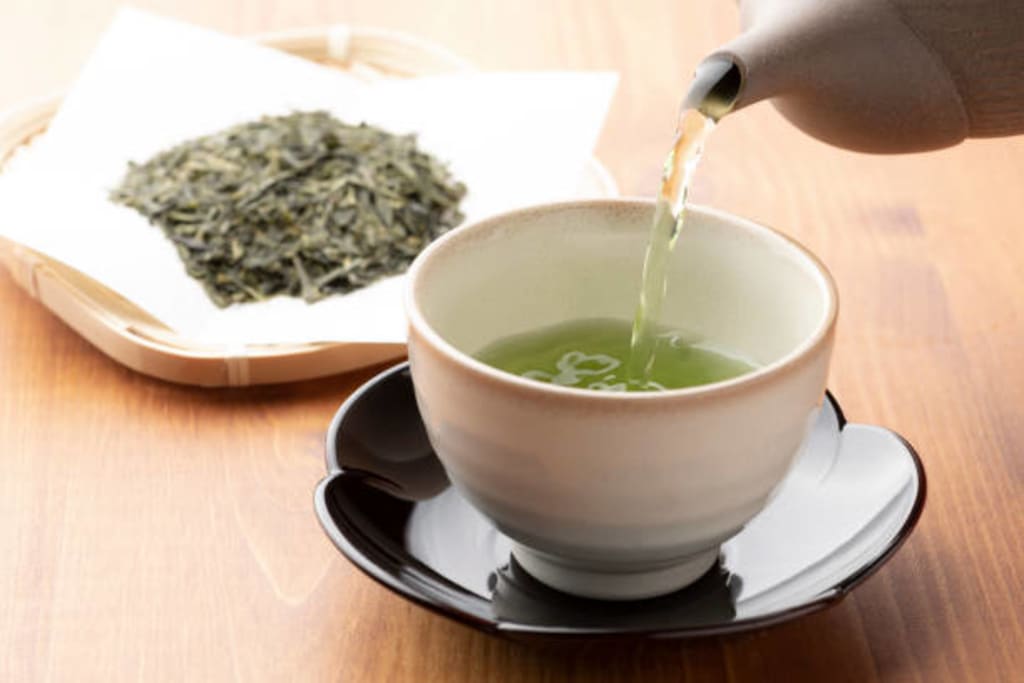
Green tea, with its vibrant, grassy essence and deep cultural roots, is cherished worldwide as a symbol of vitality and mindfulness. Among its many forms, organic green loose leaf tea stands out for its unmatched purity and flavor, crafted from whole leaves grown without synthetic chemicals. Unlike tea bags, loose leaf tea offers a richer aroma, bolder taste, and greater health benefits, embodying the true spirit of the Camellia sinensis plant. From Japan’s delicate Sencha to China’s nutty Dragonwell, organic green loose leaf tea invites you to connect with nature. In this blog, we’ll explore its origins, benefits, brewing techniques, and the value of choosing organic, guiding you toward a refreshing, sustainable tea ritual.
What Is Organic Green Loose Leaf Tea?
Organic green loose leaf tea comes from the Camellia sinensis plant, cultivated without synthetic pesticides, herbicides, or fertilizers. Certified by standards like USDA or EU Organic, it guarantees a clean, safe product while supporting eco-friendly farming practices. The leaves are minimally processed—steamed (as in Japanese teas) or pan-fired (as in Chinese teas)—to halt oxidation, preserving their green hue and potent antioxidants like catechins. Unlike tea bags, which often contain crushed leaves or dust, loose leaf tea features whole or minimally broken leaves, delivering superior flavor, aroma, and the ability to yield multiple infusions. Varieties like Gyokuro, Longjing, and Matcha highlight the diversity of this tea, each reflecting its region’s unique terroir.
Origins and Cultural Significance
Green tea’s story began in China over 4,000 years ago, initially used as a medicinal elixir before evolving into a cultural icon. In Japan, green tea became integral to the tea ceremony, with varieties like Sencha and Matcha embodying Zen principles of harmony and mindfulness. China’s Longjing, grown in Zhejiang, is prized for its hand-fired, chestnut-like flavor. Organic cultivation honors these traditions by prioritizing soil health and sustainability, ensuring the land thrives for future harvests. Today, organic green loose leaf tea bridges ancient rituals with modern wellness, appealing to those seeking purity and balance. Each cup is a nod to centuries of craftsmanship and a celebration of nature’s bounty.
Why Choose Organic Green Loose Leaf Tea?
Choosing organic green loose leaf tea offers compelling benefits. Organic farming avoids harmful chemicals, ensuring a tea free from pesticide residues while promoting biodiversity and soil fertility. Whole leaves provide a richer sensory experience—more aroma, flavor, and antioxidants—compared to tea bags, which often compromise quality. Loose leaf tea is eco-friendly, reducing packaging waste, and allows for multiple steeps, making it cost-effective. Buy green tea at Backyard Brew, where their certified organic, ethically sourced Sencha and Dragonwell deliver vibrant, authentic flavors for a pure, mindful ritual. Opting for organic reflects a commitment to personal health, environmental care, and a deeper appreciation for tea’s natural essence.
Health Benefits of Organic Green Loose Leaf Tea
Organic green loose leaf tea is a wellness powerhouse, with minimal processing preserving its nutritional profile:
- Antioxidant Support: High in catechins like EGCG, it neutralizes free radicals, reducing inflammation and supporting cellular health.
- Mental Focus: Moderate caffeine (20-45 mg per cup) and L-theanine provide calm, sustained alertness without jitters.
- Heart Health: Studies suggest green tea may lower LDL cholesterol and improve blood vessel function, supporting cardiovascular wellness.
- Weight Management: Catechins and caffeine can boost metabolism, aiding weight control alongside a balanced diet.
- Immune Boost: Polyphenols and vitamins strengthen immunity, helping protect against seasonal illnesses.
Organic teas, free from chemical contaminants, maximize these benefits, offering a pure, health-conscious choice for daily sipping.
Brewing the Perfect Cup
Brewing organic green loose leaf tea enhances its flavor and benefits. Follow these steps:
- Water Temperature: Use 160–185°F (70–85°C) to avoid bitterness. Delicate teas like Gyokuro prefer cooler water.
- Tea-to-Water Ratio: Use 1-2 teaspoons of loose leaf tea per 8 ounces of water for a balanced brew.
- Steeping Time: Steep for 1-2 minutes for the first infusion, tasting to prevent astringency. Increase slightly for subsequent steeps.
- Equipment: A gaiwan, glass teapot, or basket infuser allows leaves to unfurl, releasing full flavor and aroma.
Use filtered water for a clean taste and store tea in an airtight, opaque container away from light and moisture to preserve freshness. For a smoother brew, try cold brewing by steeping leaves in cold water for 6-8 hours.
Pairing Organic Green Loose Leaf Tea with Food
The fresh, nuanced flavors of organic green loose leaf tea pair beautifully with various foods:
- Seafood: Sencha enhances sushi or grilled fish, complementing their delicate textures.
- Desserts: Jasmine Green pairs with fruit tarts or shortbread, amplifying sweetness with floral notes.
- Vegetables: Dragonwell matches steamed greens or roasted asparagus, echoing its vegetal character.
- Cheese: Soft cheeses like goat cheese harmonize with Gyokuro’s creamy umami.
For a tea tasting, serve green tea with small bites like rice crackers or mochi, creating an elegant experience that highlights its complexity and freshness.
Creative Uses for Organic Green Loose Leaf Tea
Organic green loose leaf tea extends beyond the cup, offering creative ways to enrich your lifestyle:
- Cooking: Sprinkle ground Sencha over rice or fish, or infuse Dragonwell into broths for a nutty, umami depth.
- Baking: Add Matcha or finely ground green tea to cakes, cookies, or smoothies for vibrant color and flavor.
- Skincare: Use steeped leaves as a face mask to leverage antioxidants for soothing, radiant skin.
- Mindful Ritual: Pair tea with meditation or journaling, sipping slowly to foster calm and mindfulness.
These applications make organic green tea a versatile addition to your routine, blending flavor with creativity and wellness.
Conclusion
Organic green loose leaf tea is a vibrant celebration of purity, health, and sustainability, offering a direct connection to nature in every sip. From Sencha’s grassy freshness to Dragonwell’s hearty depth, these teas invite mindfulness and joy. By choosing high-quality, organic leaves and brewing with care, you can transform your tea ritual into a moment of balance and vitality. Whether you’re seeking wellness, cultural heritage, or a flavorful escape, organic green loose leaf tea delivers a timeless experience. Embrace its natural elegance and make it a cherished part of your daily wellness journey, savoring the vibrant beauty in every cup.
FAQs
1. Why choose organic green loose leaf tea over regular green tea?
Organic tea is grown without synthetic chemicals, ensuring purity, while loose leaves offer richer flavor and more antioxidants than tea bags.
2. How many times can organic green loose leaf tea be steeped?
High-quality green tea can be steeped 2-4 times, with each infusion revealing subtle flavor changes, depending on the variety.
3. Does organic green loose leaf tea contain caffeine?
Yes, it has moderate caffeine (20-45 mg per cup), balanced by L-theanine for calm, focused energy.
4. How should I store organic green loose leaf tea?
Store in an airtight, opaque container in a cool, dark place to protect against light, air, and moisture, preserving freshness for up to a year.
5. Why buy from Backyard Brew?
Backyard Brew offers certified organic, ethically sourced green teas with transparent harvest details, ensuring premium quality and authentic flavors.
About the Creator
Backyard Brew
Since 2016, Backyard Brew has been crafting unique coffee and tea blends that bring comfort and joy to every cup. Experience our local touch in every sip.
Keep reading
More stories from Backyard Brew and writers in Lifehack and other communities.
Oolong Leaves: The Art of Balanced Tea Bliss
Introduction Oolong tea, a harmonious bridge between the vibrancy of green tea and the richness of black tea, captivates with its complex flavors and storied heritage. Crafted from oolong leaves of the Camellia sinensis plant, this partially oxidized tea offers a spectrum of tastes, from floral and creamy to roasted and earthy. Revered for its craftsmanship and health benefits, oolong is a favorite among tea enthusiasts seeking depth and nuance. In this blog, we’ll delve into the origins, varieties, benefits, and brewing techniques of oolong leaves, inviting you to explore a tea that embodies balance and artistry. Whether you’re a novice or a connoisseur, oolong leaves promise a sensory journey like no other.
By Backyard Brew9 months ago in Lifehack
Building Influence in a Remote Team
In traditional office environments, influence often developed naturally through proximity. People who spoke confidently in meetings, participated in hallway discussions, or regularly interacted with leadership often gained recognition and influence simply because they were visible.
By Bahati Mulishi3 days ago in Lifehack
How to Hire a Quality Painting Team in Sydney Without the Job Dragging On
A repaint is meant to be a tidy upgrade: cleaner lines, brighter rooms, a place that feels looked-after again. Yet plenty of paint projects in Sydney turn into a slow-motion inconvenience—rooms half usable, dates sliding, and that lingering sense the finish isn’t quite right.
By Evelyn Heard5 days ago in Lifehack




Comments
There are no comments for this story
Be the first to respond and start the conversation.