
Oolong Leaves: The Art of Balanced Tea Bliss
Oolong Leaves

Introduction
Oolong tea, a harmonious bridge between the vibrancy of green tea and the richness of black tea, captivates with its complex flavors and storied heritage. Crafted from oolong leaves of the Camellia sinensis plant, this partially oxidized tea offers a spectrum of tastes, from floral and creamy to roasted and earthy. Revered for its craftsmanship and health benefits, oolong is a favorite among tea enthusiasts seeking depth and nuance. In this blog, we’ll delve into the origins, varieties, benefits, and brewing techniques of oolong leaves, inviting you to explore a tea that embodies balance and artistry. Whether you’re a novice or a connoisseur, oolong leaves promise a sensory journey like no other.
What Are Oolong Leaves?
Oolong leaves, sourced from the Camellia sinensis plant, are partially oxidized, typically between 10% and 80%, creating a unique profile that blends green tea’s freshness with black tea’s depth. The leaves undergo a meticulous process of withering, rolling, oxidizing, and firing, often requiring multiple stages to develop their character. Lightly oxidized oolongs, like Tie Guan Yin, boast floral, buttery notes, while heavily oxidized varieties, like Da Hong Pao, offer roasted, mineral tones. Oolong leaves may appear as tightly rolled pellets or long, twisted strands, each form unfurling during brewing to release distinct aromas and flavors. This intricate craftsmanship makes oolong a tea of unparalleled complexity.
Origins and Cultural Significance
Oolong tea traces its roots to China’s Fujian province during the Ming Dynasty (1368–1644), with Taiwan later becoming a prominent producer. Fujian’s Wuyi Mountains yield iconic rock oolongs like Da Hong Pao, while Anxi is famed for Tie Guan Yin. Taiwan’s high-altitude regions, such as Alishan, produce creamy, sweet oolongs. In Chinese Gongfu tea ceremonies, oolong is savored for its evolving infusions, symbolizing mindfulness and artistry. In Taiwanese culture, oolong represents hospitality, often shared with guests. The name “oolong,” meaning “black dragon,” evokes the leaves’ coiled shape and mystical allure. Oolong leaves connect drinkers to these traditions, merging heritage with modern appreciation for artisanal tea.
Exploring Oolong Varieties
Oolong leaves offer a diverse range of flavors, shaped by oxidation, terroir, and skill. Notable varieties include:
- Tie Guan Yin (Iron Goddess): Lightly oxidized, with floral, orchid-like notes and a silky finish.
- Da Hong Pao (Big Red Robe): A Wuyi rock oolong with roasted, mineral, and smoky undertones.
- Alishan Oolong: A Taiwanese high-mountain tea, creamy and sweet with stone fruit hints.
- Dong Ding: A Taiwanese oolong with toasted, nutty flavors and a smooth texture.
- Phoenix Dan Cong: From Guangdong, known for its fruity, honey-like complexity.
These teas suit varied tastes, from delicate to robust. Backyard Brew’s Oolong Tea Collection, featuring organic Tie Guan Yin and Alishan oolong from Fujian and Taiwan, delivers authentic, nuanced flavors. These varieties are ideal for multiple infusions, revealing new layers with each steep, perfect for a mindful tea ritual.
Health Benefits of Oolong Leaves
Oolong leaves blend the wellness benefits of green and black teas, thanks to their partial oxidation:
- Antioxidant Support: Polyphenols and catechins combat free radicals, reducing inflammation and promoting cellular health.
- Weight Management: Caffeine (30-50 mg per cup) and catechins may enhance metabolism, aiding weight control with a healthy lifestyle.
- Heart Health: Studies suggest oolong can lower LDL cholesterol and support cardiovascular function.
- Mental Focus: Caffeine and L-theanine provide calm, jitter-free alertness and concentration.
- Digestive Aid: Mild tannins may soothe the stomach, supporting digestion.
These benefits make oolong a versatile, health-conscious choice, offering nourishment without overstimulation.
Brewing the Perfect Cup of Oolong
Brewing oolong leaves requires precision to unlock their intricate flavors. Follow these steps:
- Water Temperature: Use water at 185–205°F (85–96°C), cooler for lighter oolongs like Tie Guan Yin and hotter for darker ones like Da Hong Pao.
- Tea-to-Water Ratio: Use 1-2 teaspoons of loose-leaf tea per 6-8 ounces of water for a balanced brew.
- Steeping Time: Steep for 30 seconds to 1 minute for the first infusion, increasing slightly for subsequent steeps. Oolong can yield 5-8 infusions.
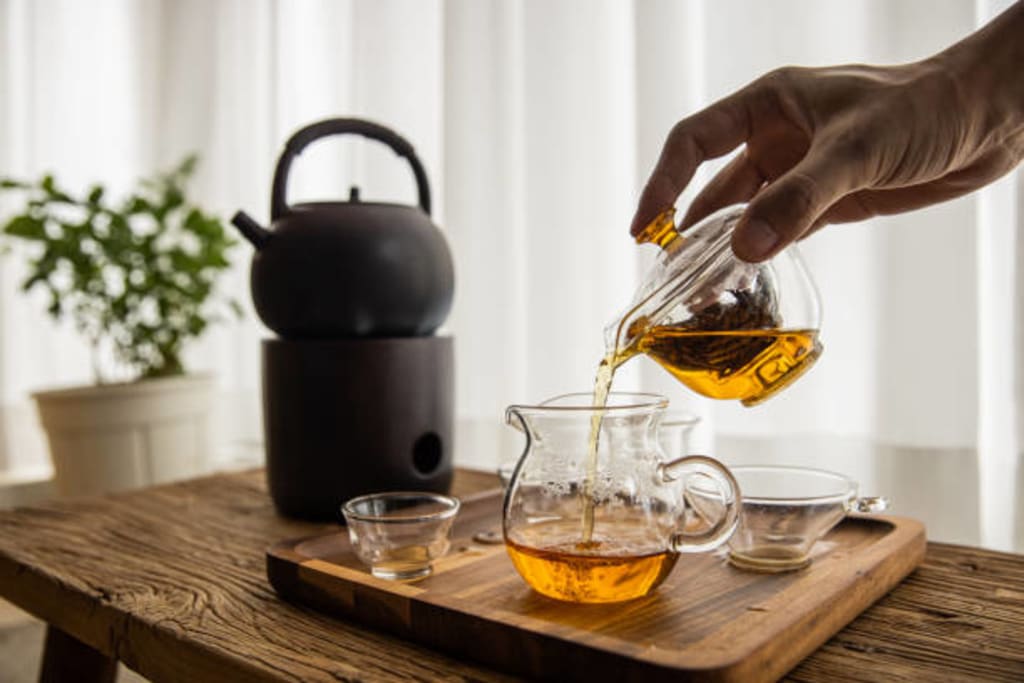
- Equipment: A gaiwan or small teapot is ideal for Gongfu-style brewing, allowing leaves to expand fully.
Use filtered water for a clean taste and store oolong in an airtight, opaque container away from light and moisture to preserve freshness. Avoid additives to savor its natural complexity, though a touch of honey can enhance floral notes if desired.
Pairing Oolong Leaves with Food
Oolong’s nuanced flavors pair exquisitely with a variety of foods, enhancing both tea and dish:
- Seafood: Tie Guan Yin complements shrimp or scallops, aligning with their delicate sweetness.
- Desserts: Alishan oolong pairs with fruit tarts or creamy pastries, echoing its smooth, sweet notes.
- Savory Dishes: Da Hong Pao matches roasted meats or mushrooms, amplifying its earthy depth.
- Cheese: Dong Ding harmonizes with soft cheeses like brie, balancing its nutty profile.
For a tea tasting, serve oolong with small bites like dried fruit or mochi, creating an elegant experience that showcases its evolving infusions.
Creative Uses for Oolong Leaves
Oolong leaves offer versatility beyond the cup, enriching your lifestyle with creative applications:
- Morning Ritual: Start with Alishan oolong for a gentle, uplifting boost.
- Afternoon Pause: Sip iced Tie Guan Yin with citrus for a refreshing break.
- Evening Calm: Brew Dong Ding to unwind, pairing it with quiet reflection.
- Culinary Twist: Infuse oolong into broths, custards, or sorbets for a floral or roasted depth.
- Wellness Practice: Pair tea with meditation, savoring each infusion for mindfulness.
These uses transform oolong into a holistic experience, blending flavor, health, and creativity into daily life.
Conclusion
Oolong leaves embody the artistry of tea, offering a perfect balance of flavor, tradition, and wellness. From the floral elegance of Tie Guan Yin to the roasted depth of Da Hong Pao, these teas invite exploration and mindfulness with every sip. By selecting high-quality, organic leaves and brewing with care, you can elevate your tea ritual into a moment of connection and joy. Whether you’re seeking health benefits, cultural depth, or simply a delicious brew, oolong leaves deliver a timeless experience. Embrace their complexity and make oolong a cherished part of your tea journey, savoring the harmony in every cup.
FAQs
1. What makes oolong leaves different from other teas?
Oolong leaves are partially oxidized, offering a flavor profile between green and black teas, with diverse notes from floral to roasted.
2. How long do oolong leaves stay fresh?
Stored in an airtight, opaque container in a cool, dark place, they remain fresh for up to a year, best enjoyed within 6 months.
3. Does oolong tea contain caffeine?
Yes, oolong has moderate caffeine (30-50 mg per cup), providing a balanced lift with L-theanine for focus.
4. Can oolong leaves be steeped multiple times?
Yes, high-quality oolong can be steeped 5-8 times, with each infusion revealing new flavor nuances, ideal for Gongfu brewing.
5. Why choose Backyard Brew for oolong leaves?
Backyard Brew offers organic, ethically sourced oolong teas with transparent sourcing, ensuring premium quality and authentic, complex flavors.
About the Creator
Backyard Brew
Since 2016, Backyard Brew has been crafting unique coffee and tea blends that bring comfort and joy to every cup. Experience our local touch in every sip.
Keep reading
More stories from Backyard Brew and writers in Lifehack and other communities.
Herbal Leaf: Nature’s Finest Caffeine-Free Infusions
Introduction Herbal teas, crafted from the leaves, flowers, roots, and seeds of various plants, offer a soothing, caffeine-free alternative to traditional teas. Unlike true teas derived from the Camellia sinensis plant, herbal leaf infusions deliver a spectrum of flavors and therapeutic benefits, from chamomile’s calming embrace to peppermint’s invigorating zest. Rooted in ancient healing traditions, these infusions are celebrated for their wellness properties and versatility. In this blog, we’ll explore the origins, benefits, brewing techniques, and varieties of herbal leaf teas, guiding you toward a nurturing tea experience that harmonizes body and mind. Whether you’re seeking relaxation, digestion aid, or a flavorful escape, herbal leaf teas promise a natural, holistic delight.
By Backyard Brew9 months ago in Lifehack
How Sherman Lai Integrates Natural Therapies for Whole-Body Wellness
Many people have begun searching for natural methods to enhance their general health and well-being in recent years. Holistic healthcare concentrates on balancing the overall body rather than just treating symptoms. Because they promote long-term wellbeing, natural treatments including acupuncture, herbal medicine, and lifestyle counseling are growing in popularity. Sherman Lai, a practitioner renowned for this well-rounded approach, combines many natural healing techniques to assist people in achieving whole-body wellbeing.
By Sherman Lai Guelph3 days ago in Lifehack



Comments
There are no comments for this story
Be the first to respond and start the conversation.