
Oral Health as a Guide to Whole-Body Wellness
Oral health supports whole-body wellness by influencing physical, emotional, and social well-being. Learn why strong oral care is essential for lifelong health.

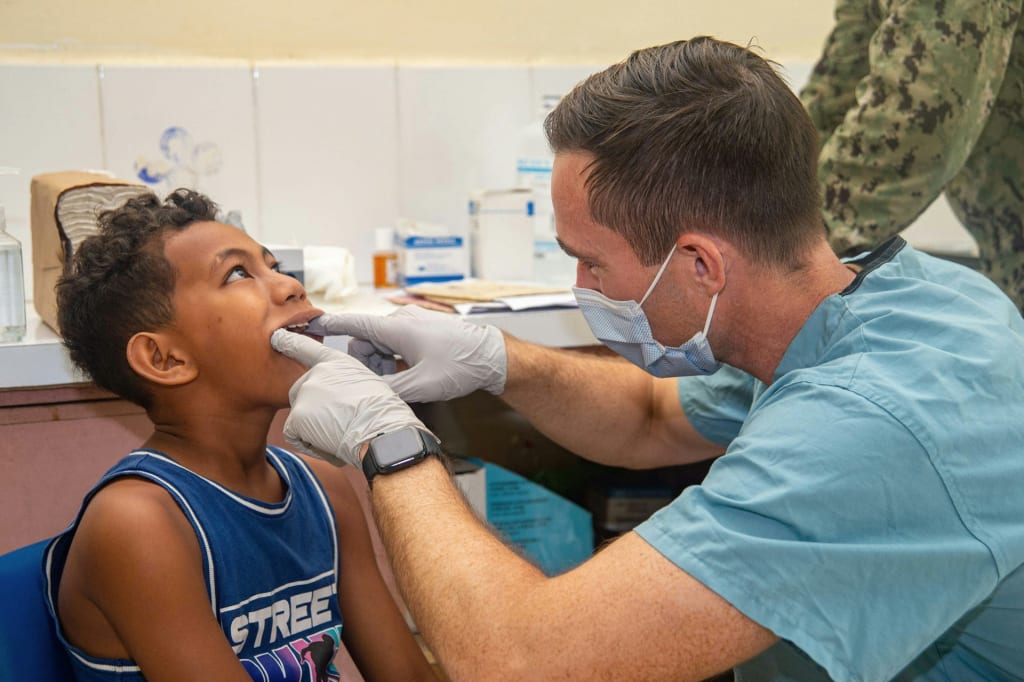
Oral health offers important clues about a person’s overall well-being, and understanding this connection helps individuals make more informed decisions about their daily habits and preventive care. The mouth functions as a window into the body’s major systems, often showing early signs of nutritional deficiencies, inflammation, chronic disease, and immune challenges. By learning how the mouth interacts with the rest of the body, individuals gain a clearer perspective on why oral care is not simply cosmetic but a foundational part of lifelong wellness.
The mouth houses a complex ecosystem of bacteria, tissues, and enzymes that constantly interact with what a person eats, how they clean their teeth, and the condition of their immune system. When oral hygiene practices are consistent and effective, this ecosystem remains balanced. However, when bacteria accumulate due to inconsistent brushing or flossing, infections can develop, leading to inflammation and disease. These oral conditions can affect overall wellness because the bloodstream can carry harmful bacteria far beyond the mouth.
Educating individuals about this relationship helps them understand why oral health deserves the same attention as diet, exercise, and medical checkups. It also highlights the importance of observing early signs such as swollen gums, persistent mouth sores, and tooth sensitivity, which may indicate deeper health issues. When individuals recognize these symptoms as meaningful signals rather than minor annoyances, they become more responsive to seeking care and adjusting their habits.
Learning How Oral Health Influences Major Body Systems
Understanding how oral health affects major body systems empowers individuals to take a more proactive approach to wellness. Gum disease, tooth decay, and oral infections may seem local to the mouth, but they can influence key bodily functions. Learning about these connections helps individuals appreciate the value of preventive care and early treatment.
One important connection exists between oral health and heart health. Gum disease is an inflammatory condition, and inflammation plays a significant role in cardiovascular disease. When oral bacteria enter the bloodstream, they can attach to blood vessels and contribute to plaque buildup. This progression increases the risk of heart attack, stroke, and other cardiovascular issues. Educating individuals about this link reinforces the importance of routine dental cleanings and consistent oral hygiene.
Another connection exists between oral health and diabetes. People with diabetes are more susceptible to gum disease due to their body’s reduced ability to fight infection. In turn, untreated gum disease can make blood sugar more difficult to manage, creating a cycle that complicates both oral and overall health. Understanding this relationship helps individuals with diabetes prioritize oral care as a vital part of their disease management.
Oral health also affects respiratory wellness. Bacteria from the mouth can travel into the lungs, increasing the risk of pneumonia, especially in older adults or individuals with weakened immune systems. By understanding this risk, individuals can see how brushing, flossing, and regular dental care contribute not only to oral hygiene but also to respiratory strength.
Learning about these broader system connections encourages individuals to view oral care as a critical component of their total health plan, rather than an isolated task.
Exploring the Role of Oral Health in Emotional and Social Wellness
Oral health influences emotional and social well-being in powerful ways, and learning about this connection helps individuals understand how dental care affects quality of life. Confidence, communication, personal comfort, and self-image are all shaped by the condition of the teeth and gums. When individuals feel proud of their smile, they are more likely to participate in social interactions, pursue professional opportunities, and engage in daily activities with greater ease.
Education about emotional wellness starts with understanding how oral discomfort can disrupt daily routines. Persistent pain, sensitivity, or tooth loss can affect eating, speaking, and even facial expression. These challenges may lead to frustration, embarrassment, or social withdrawal. By learning how oral health affects confidence and comfort, individuals become more aware of the emotional benefits of maintaining healthy teeth and gums.
Mental health also influences oral hygiene habits. Stress, depression, or anxiety can lead to neglect of brushing, flossing, or scheduling dental appointments. Understanding this relationship encourages individuals to view oral hygiene as a partner to emotional wellness. When individuals recognize how mental health affects their oral care routines, they can take steps to develop healthier coping strategies and create supportive habits.
Teaching individuals about these emotional and social connections helps them build a more complete understanding of oral health’s role in everyday life. This education strengthens self-awareness and supports decisions that promote both dental and emotional well-being.
Recognizing the Importance of Preventive Oral Care Practices
Preventive oral care is one of the most effective ways to support both dental and overall health. Educating individuals about how preventive practices work helps them appreciate the long-term benefits of daily routines and regular dental visits. Key preventive practices include brushing twice a day, flossing, using fluoride toothpaste, and visiting a dentist for cleanings and checkups.
Understanding how preventive care works begins with examining daily habits. Brushing removes plaque, a sticky film of bacteria that can damage tooth enamel and irritate gums. Flossing cleans areas where a toothbrush cannot reach, preventing cavities and gum disease in spaces between teeth. When individuals learn how each of these steps contributes to oral health, they become more motivated to maintain consistent routines.
Regular dental checkups provide valuable opportunities for education and early detection. Dentists can identify early signs of gum disease, oral cancer, weakened enamel, and misalignment long before symptoms appear. When individuals understand that many oral conditions develop silently, they become more aware of the importance of routine exams.
Education about diet also plays a central role in preventive care. Sugary foods, acidic drinks, and nutrient-poor diets contribute to oral health issues. Teaching individuals how different foods affect teeth encourages healthier eating patterns that support both dental and overall wellness.
Preventive care also includes learning about harmful habits such as smoking or excessive alcohol consumption. These behaviors significantly increase the risk of oral cancers and gum disease. Understanding these risks empowers individuals to make informed decisions that protect their long-term health.
Why Oral Health Education Strengthens Lifelong Wellness
Recognizing oral health as a vital part of whole-body wellness provides individuals with a clearer foundation for lifelong health. Education empowers people to understand the interconnected relationships between oral hygiene, systemic health, emotional well-being, and daily habits. When individuals learn why oral health matters, they are more prepared to take control of their wellness and establish routines that support vitality at every age.
Oral health education also strengthens community well-being. When schools, healthcare systems, and community programs include oral health information, individuals gain access to practical knowledge that encourages healthier lifestyles. This learning helps reduce preventable diseases, lowers healthcare costs, and improves quality of life across populations.
By viewing oral health as a pillar of overall wellness, individuals develop a holistic perspective that supports informed decision-making. Through consistent preventive care, awareness of early signs, and an understanding of oral health’s broader influence, people can create strong foundations that support both dental and total well-being.
About the Creator
St. John's Community Health
St. John’s Community Health offers quality, patient-centered care across Los Angeles, providing underserved communities with medical, dental, and mental health services.
Keep reading
More stories from St. John's Community Health and writers in Lifehack and other communities.
Healing Within Reach: How Accessible, Affordable Care Is Changing Everyday Lives
A New Era of Care That Meets People Where They Are Across the world, a quiet shift is underway—one that puts health care back in the hands of everyday people. Accessible and affordable medical services are no longer lofty ideals found in policy papers. They are becoming real, practical solutions that are transforming families, communities, and entire regions. Instead of requiring long travel, endless wait times, or overwhelming costs, modern care is evolving to meet people exactly where they are.
By St. John's Community Health2 months ago in Education
The Sweet Tradition of Pitha Utshob: Celebrating Bangladesh’s Winter Heritage
As the gentle mist of winter descends upon the landscape of Bangladesh in 2026, a delicious and centuries-old tradition comes to life—the Pitha Utshob. This festival is not just about eating; it is a celebration of the harvest, family bonding, and the rich culinary heritage of the Bengali people. From the bustling streets of Dhaka to the quietest corners of the villages, the aroma of steamed rice and jaggery fills the air, marking the arrival of the most beloved food festival of the country.
By MD. Rahmat Ullah5 days ago in Lifehack
The Gym Left Me Empty. This Is the Connected, Joyful Future of Fitness
My Wellness Was a Mess. Here’s How I Discovered 2025’s Life-Changing Trends (And Actually Stuck With Them). Let me be brutally honest for a second. Two years ago, my idea of “wellness” was a chaotic, guilt-driven scramble. It was kale smoothies I hated, a gym membership I used as a $70/month guilt-trip, and a phone filled with meditation apps I opened once. I was chasing trends, not results. I felt overwhelmed, disconnected from my own body, and honestly, a bit like a failure. The noise was deafening: “Biohack this!” “Detox that!” “Crush your workout!” I was trying to follow all the rules, but my energy was in the gutter, my sleep was a mess, and that feeling of vibrant health felt like a myth sold to other people.
By John Arthor7 days ago in Lifehack
Center Stage with Paul Stewart
*** I'm keen to republish the interviews I did for my series with Vocal creators. It's been a few years and I thought it might be nice to revisit these wonderful conversations. I'll be releasing them one at a time for a few weeks/months.
By Heather Hubler2 days ago in Interview



Comments
There are no comments for this story
Be the first to respond and start the conversation.