
Open Garage Door Without Power – The Safe & Easy Way
How to Open Garage Door Without Power Safely & Easily
So, the power's out. Again. You’re standing in your driveway, maybe in your pajamas, maybe already late for work, pressing the garage door remote like it’s going to magically override the laws of electricity. But of course—nothing. The garage door won’t budge. And the garage door opener? It’s just quietly blinking like it knows something you don’t.
Whether it’s a sudden storm, planned outage, or some unpredictable glitch in the grid, power outages happen. And they always seem to show up when you’re in a rush or just not in the mood for a mini crisis. But the good news? You can open your garage door without power. And no, you don’t need to be a professional garage door technician or have some special toolset lying around.
You just need to know what to look for—and maybe not panic. Let's walk through how to open garage door without power safely, without damaging anything, and ideally, without swearing.
How to Open Garage Door Without Power – Step-by-Step
Before we jump in, remember: garage door systems have some safety mechanisms built in, but they’re also under tension—especially if you have torsion spring garage doors. So while this isn’t rocket science, you do need to pay attention to a few important details.
Step 1: Make Sure the Door is Fully Closed
Let’s start with this: don’t try to disconnect your automatic garage door opener while the door is open. It might seem harmless, but if your springs are worn out or not tensioned properly, that heavy door could come crashing down. Best case? A loud bang. Worst case? Property damage, or even injury.
If the door’s already stuck halfway open, call a garage door repair service. Really. This isn’t the time to wing it.
Step 2: Locate the Emergency Release Cord
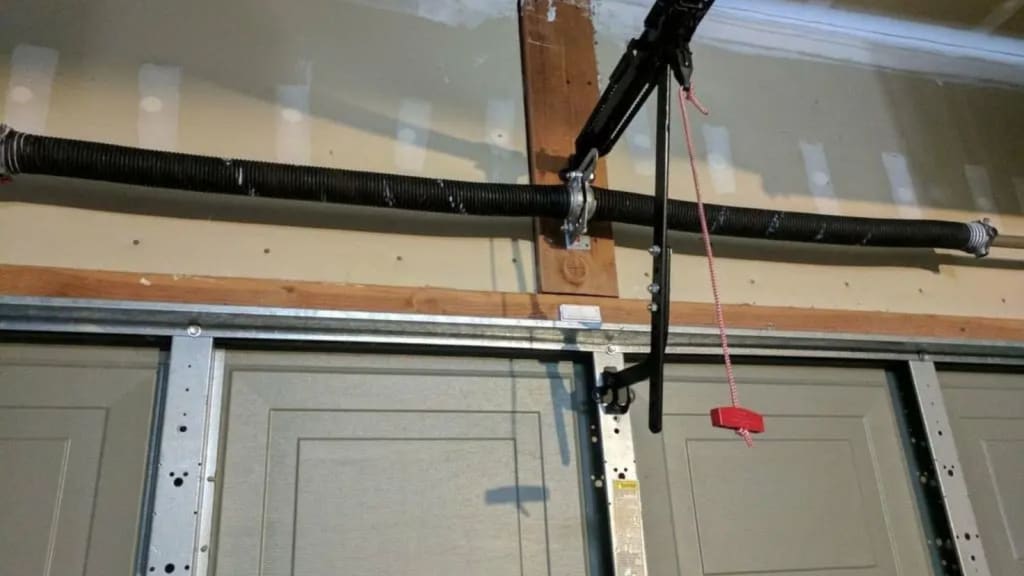
Every automatic garage door comes with an emergency release cord. It’s usually red, and it hangs down from the trolley—the part that connects your garage door to the automatic opener.
Gently pull it down. You’ll probably hear or feel a little click. That click means the door is now disconnected from the opener’s motor, and it’s in manual mode.
Pro Tip: If the cord doesn’t move easily, don’t yank it. It might be stuck or tangled in the trolley release arm. Gently wiggle it or check the garage ceiling area near the opener.
Step 3: Lift the Door Manually
With the motor disconnected, you should be able to lift the door using the handle at the bottom (some models may not have a visible handle, but most will).
- Use both hands.
- Bend your knees.
- Lift slowly.
The door should glide up if the garage door track is clean and the garage door springs are in good shape. If it resists or feels too heavy, something might be off. It could be an issue with the torsion spring or an alignment problem—both of which call for a garage door technician.
Step 4: Secure the Door
This part gets overlooked sometimes. You get the door open and rush off to wherever you're headed, but if there’s no power, the automatic opener can’t keep the door locked. That’s a problem—especially for security.
Use a manual lock or insert a C-clamp into the track just above one of the rollers to prevent it from sliding down. Some doors have a built-in door lock, though you might need to re-engage it manually.
Step 5: Reconnect Once Power Is Restored
When the power comes back (hopefully sooner than later), you’ll need to reconnect the garage door opener. Usually, you just pull the emergency release cord again—toward the door this time—and operate the opener as usual. You’ll hear it snap back into place.
If your opener doesn’t re-engage, check your user manual. Or don’t. Honestly, most people end up pressing buttons randomly until something clicks—and that works too, more often than not.
A Quick Look at Your Garage Door System
To understand why this process works, it helps to know a bit about how garage door systems are built.
Why the Manual Release Matters in Emergency Situations
This isn’t just about convenience. In emergency situations—like during a fire or earthquake—you need to be able to exit quickly. If the power is out and you’re stuck behind a 200+ pound garage door, you don’t want to be figuring this out for the first time.
Also worth noting: if you have electric garage doors with photo-eye sensors, those features go offline during a power outage. So the whole safety system? It’s just… not there. That’s why manual release is critical.
Should You Call a Garage Door Repair Service?
Here’s a tough one. In theory, you can do all of this yourself. But let’s say:
- The door feels unusually heavy
- The springs look stretched or broken
- The trolley release doesn’t respond
- You hear weird grinding or popping sounds
If any of that’s happening, you’re better off calling a garage door repair service. Many companies like Metro Garage Door Repair or GG Garage Doors offer emergency help—even during power outages. And yes, it’ll cost you. But not as much as a hospital bill or a full garage door replacement.
Other Situations You Might Run Into
- Commercial garage doors tend to be bigger and heavier. Manual release may require extra steps.
- Older garage door systems might not have an easy-release feature. Some might need an emergency release kit installed.
- If you rely on a garage door keypad, it won’t work without electricity. Keep your manual key or security code nearby—just in case.
- Cloudflare Ray ID or malformed data messages? That’s a whole different issue—related to online garage apps or smart openers. If you're seeing that, the site owner might need to fix a SQL command error. Doesn’t affect manual opening, but good to know.
Power Outages and Garage Door Safety
- While we’re at it, let’s talk prevention. You can’t always avoid power outages, but you can prepare for them.
- Install a battery backup on your opener. Many automatic garage door openers now come with one built-in.
- Keep your manual release cord in good shape. Don’t tie it up or wrap it around anything.
- Schedule a Garage Door Service checkup once a year. It keeps things running smoothly and avoids surprises.
- Label your emergency release if other people in the house might need to use it.
Conclusion
Opening a garage door without power doesn’t have to be a mystery. It might feel like something only a technician should touch, but honestly, it’s a lot like switching your car into neutral. Once you know where the cord is and how the system works, it’s a task you can do safely—and pretty quickly.
That said, always trust your instincts. If something feels off or harder than it should be, step back. Call a pro. Your garage door is heavy, mechanical, and under pressure—literally.
So yeah, opening your garage door without power is easy. Until it’s not.
But now? At least you’ll know what to do.
Frequently Asked Questions
1. Can I open my garage door from the outside during a power outage?
Yes, but only if you have an exterior emergency release kit installed.
2. Is it safe to pull the emergency release cord?
It’s safe if the door is fully closed. Never do it when the door is open or jammed halfway.
3. Why is my garage door so heavy to lift manually?
That usually means a problem with the torsion or extension springs. Call a garage door technician.
4. How do I know if my garage door opener has a battery backup?
Check the label on the opener or refer to the manual. Some units have a small battery compartment.
5. What should I do if my garage door won’t stay open manually?
Use a clamp on the track or a locking mechanism. Don’t leave it unsupported.
6. Can smart garage door openers still work without power?
No, unless they have a built-in battery backup. You’ll need to operate it manually.
7. How often should I service my garage door system?
Once a year is recommended for a basic checkup and garage door maintenance.
8. Will pulling the emergency release cord damage my door?
Not at all—unless it’s done while the door is open. It’s a standard safety feature.
9. Can commercial garage doors be opened manually too?
Yes, but they may have different release mechanisms. Check with your installer.
10. What’s the risk if I don’t secure the door after manually opening it?
Security. Anyone can lift it. Also, it might slide down unexpectedly, which is dangerous.
About the Creator
Keep reading
More stories from Liana Wilson and writers in Lifehack and other communities.
7 Smart Perks of Maynard Parking Garage Ann Arbor Today!
If you’ve ever circled Downtown Ann Arbor trying to find a decent place to park, chances are you’ve already bumped into the Maynard Parking Garage Ann Arbor. It's one of those places people either vaguely know about—or absolutely rely on. And honestly, it deserves more love than it gets. This garage isn’t just a slab of concrete with a ramp; it’s actually designed with usability, convenience, and even modern tech in mind. Kind of a hidden gem among Ann Arbor’s many parking structures.
By Liana Wilson8 months ago in Criminal
productivity principles
I’m going to show you the habits that will either make you angry or set you free. The choice is yours. Because honestly, most of you already know how to study a lot or work hard. Hardcore studying is not the reason you’re not where you want to be in life. The real reason is that you don’t understand how to take control of your time and squeeze everything possible out of it.
By Mahboubeh Fallahi8 days ago in Lifehack
This Is What I Do When People Throw Rocks At Me
Rocks have been thrown at me for a greater part of my life. Some have been small and missed hitting me. When people don't get a reaction from me, they throw bigger rocks with a better aim. Many have been hurled at me with precision over the years. For a long time, I thought my only options were to dodge them or be crushed by them.
By Margaret Minnicks6 days ago in Confessions


Comments
There are no comments for this story
Be the first to respond and start the conversation.