
Oolong Tea: A Symphony of Flavor and Tradition
Introduction

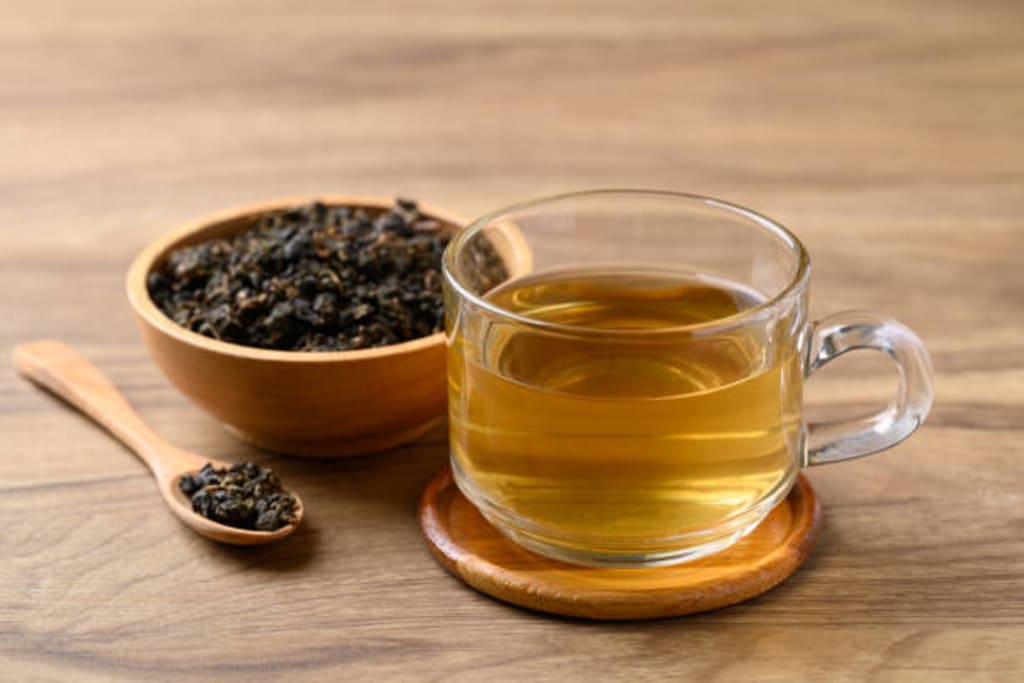
Oolong tea, a masterful blend of green tea’s vibrancy and black tea’s depth, captivates tea enthusiasts with its diverse flavor profiles, ranging from floral and creamy to roasted and earthy. Crafted from the leaves of the Camellia sinensis plant, oolong is partially oxidized, offering a unique balance that appeals to a wide range of palates. Originating in China and Taiwan, its moderate caffeine content and versatility make it ideal for any time of day, from morning mindfulness to evening relaxation. In this blog, we’ll explore the origins, varieties, health benefits, and brewing techniques of oolong tea, guiding you toward a refined tea ritual that celebrates its artistry and cultural significance.
What Is Oolong Tea?
Oolong tea is derived from the Camellia sinensis plant, with leaves partially oxidized, typically between 10% and 80%, positioning it between unoxidized green tea and fully oxidized black tea. This partial oxidation, achieved through a meticulous process of withering, rolling, oxidizing, and firing, creates a spectrum of flavors unique to each variety. Lightly oxidized oolongs, like Tie Guan Yin, offer floral, buttery notes, while heavily oxidized ones, like Da Hong Pao, deliver roasted, mineral-rich depth. Often rolled into tight pellets or twisted strands, oolong leaves unfurl during brewing to release complex aromas, making oolong a sophisticated choice for those seeking nuance and elegance.
Origins and Cultural Significance
Oolong tea originated in China’s Fujian province during the Ming Dynasty (1368–1644), with Taiwan emerging as a key producer in the 19th century. Fujian’s Wuyi Mountains are renowned for rock oolongs like Da Hong Pao, prized for their mineral complexity, while Anxi produces the floral Tie Guan Yin. Taiwan’s high-altitude regions, such as Alishan, yield creamy, sweet oolongs. In Chinese Gongfu tea ceremonies, oolong is celebrated for its multiple infusions, embodying mindfulness and precision. In Taiwanese culture, oolong symbolizes hospitality, often shared to foster connection. The name “oolong,” meaning “black dragon,” reflects the leaves’ coiled shape and mythical allure, connecting drinkers to centuries of tea artistry.
Why Choose Oolong Tea?
Oolong tea is prized for its quality and versatility. Organic oolong, grown without synthetic pesticides, ensures purity and supports sustainable farming. The partial oxidation process preserves antioxidants while developing complex flavors, offering a superior experience compared to more processed teas. Loose-leaf oolong allows leaves to unfurl, releasing nuanced aromas and enabling multiple infusions, unlike tea bags with lower-quality fragments. Explore the variety of oolong teas at Backyard Brew, where their certified organic Tie Guan Yin and Alishan oolong from Fujian and Taiwan deliver authentic, nuanced flavors for a refined ritual. Choosing oolong tea reflects a commitment to health, sustainability, and the art of tea, transforming each cup into a moment of discovery.
Health Benefits of Oolong Tea
Oolong tea blends the wellness properties of green and black teas due to its partial oxidation, offering a range of benefits:
- Antioxidant Support: Rich in polyphenols and catechins, oolong neutralizes free radicals, reducing inflammation and supporting cellular health.
- Weight Management: Caffeine (30–50 mg per cup) and catechins may boost metabolism, aiding weight control with a balanced lifestyle.
- Heart Health: Studies suggest oolong can lower LDL cholesterol and improve blood vessel function, promoting cardiovascular wellness.
- Mental Clarity: Caffeine and L-theanine provide calm, focused alertness without jitters, ideal for sustained concentration.
- Digestive Aid: Mild tannins may soothe the stomach, supporting digestion after meals.
Organic oolong, free from chemical residues, maximizes these benefits, making it a pure, health-conscious choice for daily sipping.
Brewing the Perfect Cup
Brewing oolong tea requires precision to unlock its intricate flavors. Follow these steps:
- Water Temperature: Use 185–205°F (85–96°C), cooler for lighter oolongs like Tie Guan Yin and hotter for darker ones like Da Hong Pao.
- Tea-to-Water Ratio: Use 1–2 teaspoons of loose-leaf tea per 6–8 ounces of water for a balanced brew.
- Steeping Time: Steep for 30 seconds to 1 minute for the first infusion, increasing slightly for subsequent steeps. Oolong can yield 5–8 infusions.
- Equipment: A gaiwan or small teapot is ideal for Gongfu-style brewing, allowing leaves to expand fully.
Use filtered water for a clean taste and store oolong in an airtight, opaque container away from light and moisture to preserve freshness. Avoid additives to savor its natural complexity, though a touch of honey may enhance floral notes if desired.
Pairing Oolong Tea with Food
Oolong’s nuanced flavors pair beautifully with a variety of foods, enhancing both casual and gourmet occasions:
- Seafood: Tie Guan Yin complements shrimp or scallops, aligning with their delicate sweetness.
- Desserts: Alishan oolong pairs with fruit tarts or creamy pastries, echoing its smooth, sweet notes.
- Savory Dishes: Da Hong Pao matches roasted meats or mushrooms, amplifying its earthy depth.
- Cheese: Dong Ding harmonizes with soft cheeses like brie, balancing its nutty profile.
For a tea tasting, serve oolong with small bites like dried fruit or mochi, creating a refined experience that highlights its evolving infusions.
Creative Uses for Oolong Tea
Oolong tea offers versatility beyond the teacup, enriching your lifestyle with creative applications:
- Cooking: Infuse oolong into broths, custards, or sorbets for floral or roasted depth.
- Morning Ritual: Start with Alishan oolong for a gentle, uplifting boost.
- Afternoon Pause: Sip iced Tie Guan Yin with citrus for a refreshing break.
- Evening Calm: Brew Dong Ding to unwind, pairing it with quiet reflection.
- Wellness Practice: Pair tea with meditation, savoring each infusion for mindfulness.
These uses weave oolong into your routine, blending flavor, health, and creativity.
Conclusion
Oolong tea is a masterpiece of balance, offering a harmonious blend of flavor, tradition, and wellness. From the floral elegance of Tie Guan Yin to the roasted richness of Da Hong Pao, oolong invites mindfulness and exploration with every sip. By choosing high-quality, organic leaves and brewing with precision, you can elevate your tea ritual into a moment of connection and joy. Whether seeking health benefits, cultural depth, or a flavorful escape, oolong tea delivers a timeless experience. Embrace its complexity and make oolong a cherished part of your tea journey, savoring the symphony of flavors in every cup.
FAQs
1. What makes oolong tea unique compared to other teas?
Oolong tea is partially oxidized, offering a flavor profile between green and black teas, with diverse notes from floral to roasted.
2. How long does oolong tea stay fresh?
Stored in an airtight, opaque container in a cool, dark place, oolong remains fresh for up to a year, best enjoyed within 6 months.
3. Does oolong tea contain caffeine?
Yes, oolong has moderate caffeine (30–50 mg per cup), providing a balanced lift with L-theanine for calm focus.
4. Can oolong tea be steeped multiple times?
Yes, high-quality oolong can be steeped 5–8 times, with each infusion revealing new flavor nuances, ideal for Gongfu brewing.
5. Why choose organic oolong tea?
Organic oolong is grown without synthetic chemicals, ensuring purity, supporting sustainability, and delivering richer, authentic flavors.
About the Creator
Backyard Brew
Since 2016, Backyard Brew has been crafting unique coffee and tea blends that bring comfort and joy to every cup. Experience our local touch in every sip.
Keep reading
More stories from Backyard Brew and writers in Lifehack and other communities.
Herbal Teas for Natural Health and Inner Harmony
Herbal teas, often referred to as tisanes, are cherished for their diverse flavors and therapeutic properties, offering a caffeine-free alternative to traditional teas. Crafted from an array of herbs, flowers, roots, and spices, these infusions provide a gentle, natural way to support wellness, from calming stress to aiding digestion. Unlike teas derived from the Camellia sinensis plant, herbal teas cater to a wide range of needs and tastes, with options like chamomile’s floral calm or ginger’s spicy warmth. In this blog, we’ll explore the essence of herbal teas, their health benefits, brewing techniques, and tips for selecting premium blends, inviting you to embrace a nurturing tea ritual that celebrates nature’s bounty.
By Backyard Brew7 months ago in Lifehack
Top 10 Side Effects of Chia Seeds You Should Know
Chia seeds have gained huge popularity in recent years as a superfood. From smoothies and puddings to salads and oatmeal, these tiny seeds are often praised for their high fiber, omega-3 fatty acids, and protein content. Many people include them in their daily diet to support weight loss, digestion, and overall health.
By Veronica Bennetta day ago in Lifehack


Comments
There are no comments for this story
Be the first to respond and start the conversation.