
Herbal Teas for Natural Health and Inner Harmony
Introduction

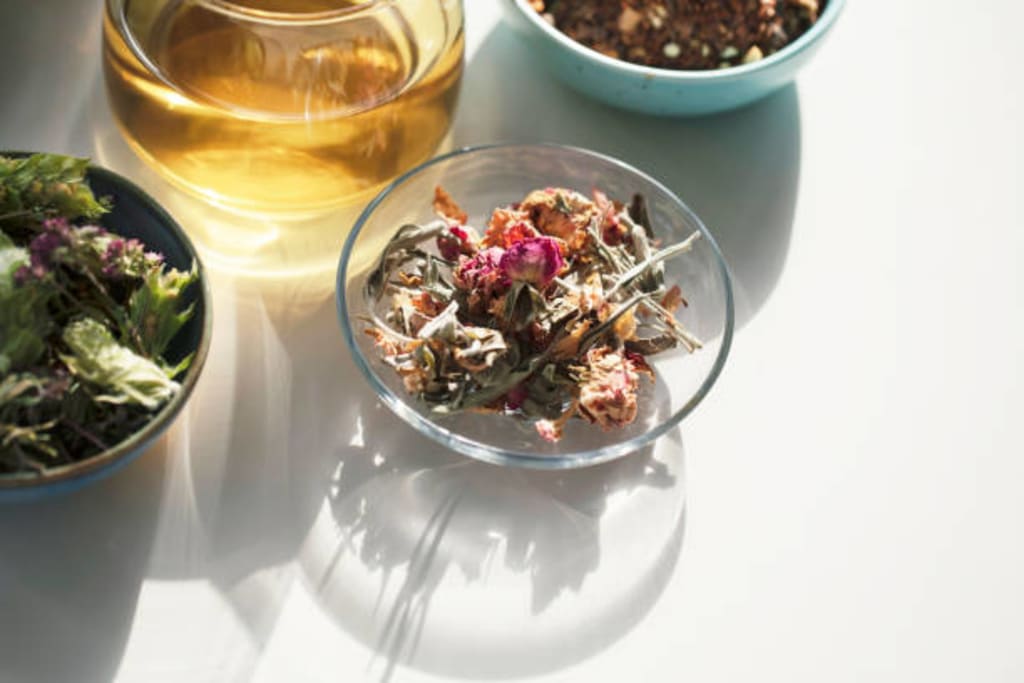
Herbal teas, often referred to as tisanes, are cherished for their diverse flavors and therapeutic properties, offering a caffeine-free alternative to traditional teas. Crafted from an array of herbs, flowers, roots, and spices, these infusions provide a gentle, natural way to support wellness, from calming stress to aiding digestion. Unlike teas derived from the Camellia sinensis plant, herbal teas cater to a wide range of needs and tastes, with options like chamomile’s floral calm or ginger’s spicy warmth. In this blog, we’ll explore the essence of herbal teas, their health benefits, brewing techniques, and tips for selecting premium blends, inviting you to embrace a nurturing tea ritual that celebrates nature’s bounty.
What Are Herbal Teas?
Herbal teas are infusions made from dried herbs, flowers, roots, seeds, or spices, distinct from true teas like black, green, or oolong. These blends harness the natural compounds of plants—antioxidants, essential oils, and anti-inflammatory agents—to deliver both flavor and health benefits. Popular ingredients include chamomile for relaxation, peppermint for digestion, and hibiscus for a tart, vitamin-rich boost. As caffeine-free options, herbal teas are suitable for all ages and times of day, offering gentle remedies for stress, sleep, or digestive health. Available as loose-leaf or tea bags, herbal teas provide an accessible, flavorful way to enhance wellness and connect with nature’s diversity.
Historical and Cultural Roots
Herbal teas have a storied history, deeply rooted in traditional medicine across cultures. Ancient Egyptians brewed chamomile for its calming effects, while Chinese herbalists used licorice and ginger to promote vitality. In Ayurveda, India’s ancient healing system, tulsi tea was revered for its balancing properties. European apothecaries crafted infusions from nettle and peppermint for their medicinal qualities, and Indigenous cultures used plants like rooibos or elderberry in communal rituals. These teas were often shared to foster connection and healing, embodying cultural wisdom. Today, herbal teas blend this heritage with modern wellness trends, offering a universal ritual that promotes health, relaxation, and community in every soothing sip.
Benefits of Herbal Teas
Herbal teas are celebrated for their targeted health benefits, supported by both tradition and science:
- Stress Relief: Chamomile and lemon balm calm the nervous system, reducing anxiety and promoting relaxation.
- Digestive Support: Ginger and peppermint ease bloating, nausea, and indigestion, supporting gut health.
- Immune Boost: Hibiscus and elderberry, rich in vitamin C and antioxidants, strengthen immunity against infections.
- Anti-Inflammatory Effects: Turmeric or licorice root teas reduce inflammation, soothing sore throats or joint discomfort.
- Sleep Improvement: Valerian or chamomile teas promote restful sleep, ideal for managing insomnia.
Organic herbal teas, grown without synthetic chemicals, ensure purity and maximize these benefits. Buy herbal tea online at Backyard Brew, where their organic chamomile, peppermint, and hibiscus blends offer potent, authentic flavors for a nurturing ritual. While safe for daily use, some herbs may interact with medications or be unsuitable during pregnancy, so consulting a healthcare provider is advised for specific conditions.
Types of Herbal Teas
Herbal teas encompass a variety of herbs and blends, each tailored to specific wellness needs:
- Chamomile: Floral and soothing, perfect for stress relief and sleep support.
- Peppermint: Minty and refreshing, excellent for digestion and sinus relief.
- Ginger: Spicy and warming, effective for nausea and immune support.
- Hibiscus: Tart and vibrant, rich in antioxidants for heart health and immunity.
- Turmeric: Earthy and anti-inflammatory, great for joint health and recovery.
Blends combining multiple herbs, such as chamomile-lavender for relaxation or ginger-turmeric for immunity, enhance efficacy and flavor, offering versatile options for daily wellness.
Choosing the Right Herbal Tea
Selecting high-quality herbal teas ensures maximum flavor and therapeutic benefits. Key factors include:
- Sourcing and Quality: Opt for organic, ethically sourced teas with clear ingredient lists and certifications like USDA Organic.
- Freshness: Choose retailers that provide harvest or packing dates, as herbs lose potency over time.
- Variety: Look for single-herb teas or blends to suit specific health needs or flavor preferences.
- Packaging: Airtight, opaque containers protect herbs from light, air, and moisture, preserving quality.
- Retailer Reputation: Prioritize trusted shops with responsive customer support and educational resources like brewing guides.
Sampler sets or small quantities allow you to explore different herbal teas, helping you find blends that align with your wellness goals and taste.
Brewing the Perfect Herbal Tea
Brewing herbal teas maximizes their flavor and therapeutic potency. Follow these steps:
- Water Temperature: Use boiling water (200–212°F or 93–100°C) to extract essential oils and active compounds.
- Tea-to-Water Ratio: Use 1–2 teaspoons of loose-leaf tea or one tea bag per 8 ounces of water.
- Steeping Time: Steep for 5–10 minutes to release medicinal properties. Herbal teas rarely become bitter, offering flexibility in steeping time.
- Equipment: A teapot, infuser, or French press allows herbs to expand, enhancing efficacy and taste.
For a refreshing twist, cold brew by steeping herbs in cold water for 6–8 hours. Store teas in an airtight, opaque container away from light and moisture to preserve potency. Add honey or lemon to enhance flavor or benefits, though many herbal teas shine when enjoyed pure.
Pairing Herbal Teas with Food
Herbal teas’ diverse flavors complement a variety of foods, enhancing both taste and wellness:
- Breakfast: Ginger tea pairs with oatmeal or yogurt, aiding morning digestion.
- Desserts: Chamomile matches shortbread or fruit tarts, echoing its floral sweetness.
- Savory Dishes: Peppermint tea balances spicy Asian or Indian cuisine, soothing the stomach.
- Snacks: Hibiscus tea harmonizes with nuts or dried fruit, complementing its tart profile.
For a tea tasting, serve herbal teas with small bites like scones, cheese, or fresh fruit, creating a nurturing experience that highlights their therapeutic qualities.
Creative Uses for Herbal Teas
Herbal teas extend beyond sipping, offering versatile ways to enhance health and lifestyle:
- Cold Relief: Brew peppermint tea, inhale the steam to clear sinuses, then drink for hydration.
- Wellness Ritual: Sip chamomile before bed for relaxation or ginger for a morning boost.
- Culinary Twist: Use hibiscus tea in smoothies or turmeric tea in soups for added antioxidants.
- Skincare: Apply cooled chamomile tea as a toner to soothe irritated skin or reduce puffiness.
These applications make herbal teas a multifaceted tool, weaving flavor, health, and mindfulness into daily life.
Conclusion
Herbal teas are a vibrant celebration of nature’s healing power, offering caffeine-free infusions that nurture body and mind. From chamomile’s soothing embrace to hibiscus’s tart vitality, these teas provide a gentle, flavorful path to wellness rooted in ancient traditions. By choosing high-quality, organic blends and brewing with care, you can transform your tea ritual into a moment of tranquility and health. Whether addressing stress, digestion, or immunity, herbal teas deliver natural relief with every sip. Embrace their soothing essence and make them a cherished part of your wellness journey, savoring nature’s bounty in every cup.
FAQs
1. What makes herbal teas different from true teas?
Herbal teas are caffeine-free infusions made from herbs, flowers, roots, or spices, focusing on therapeutic benefits, unlike true teas from Camellia sinensis.
2. Are herbal teas safe for daily consumption?
Most are safe daily, but moderation is advised for potent herbs like ginger. Consult a doctor for specific conditions or pregnancy concerns.
3. How long do herbal teas stay potent?
Stored in an airtight, opaque container in a cool, dark place, they remain potent for up to a year, best within 6 months.
4. Why choose loose-leaf herbal teas over tea bags?
Loose-leaf teas offer richer flavor, more potent compounds, and better quality, as tea bags often contain crushed fragments.
5. Why buy from Backyard Brew?
Backyard Brew offers organic, ethically sourced herbal teas with potent ingredients, ensuring high-quality, effective blends for your health needs.
About the Creator
Backyard Brew
Since 2016, Backyard Brew has been crafting unique coffee and tea blends that bring comfort and joy to every cup. Experience our local touch in every sip.
Keep reading
More stories from Backyard Brew and writers in Lifehack and other communities.
White Tea Leaves: Pure Elegance in Every Sip
White tea, revered for its delicate flavor and subtle sophistication, is one of the purest forms of tea derived from the Camellia sinensis plant. White tea leaves, harvested as tender buds and young leaves, undergo minimal processing to preserve their natural essence, offering a light, floral, and slightly sweet taste. From the silvery buds of Silver Needle to the nuanced blend of leaves and buds in White Peony, white tea leaves provide a serene, low-caffeine experience ideal for mindful moments. In this blog, we’ll explore the origins, health benefits, brewing techniques, and tips for selecting premium white tea leaves, inviting you to embrace a tea ritual that embodies elegance and wellness.
By Backyard Brew7 months ago in Lifehack
How Sherman Lai Integrates Natural Therapies for Whole-Body Wellness
Many people have begun searching for natural methods to enhance their general health and well-being in recent years. Holistic healthcare concentrates on balancing the overall body rather than just treating symptoms. Because they promote long-term wellbeing, natural treatments including acupuncture, herbal medicine, and lifestyle counseling are growing in popularity. Sherman Lai, a practitioner renowned for this well-rounded approach, combines many natural healing techniques to assist people in achieving whole-body wellbeing.
By Sherman Lai Guelph3 days ago in Lifehack



Comments
There are no comments for this story
Be the first to respond and start the conversation.