
Olives benefits
Olives benefits for health

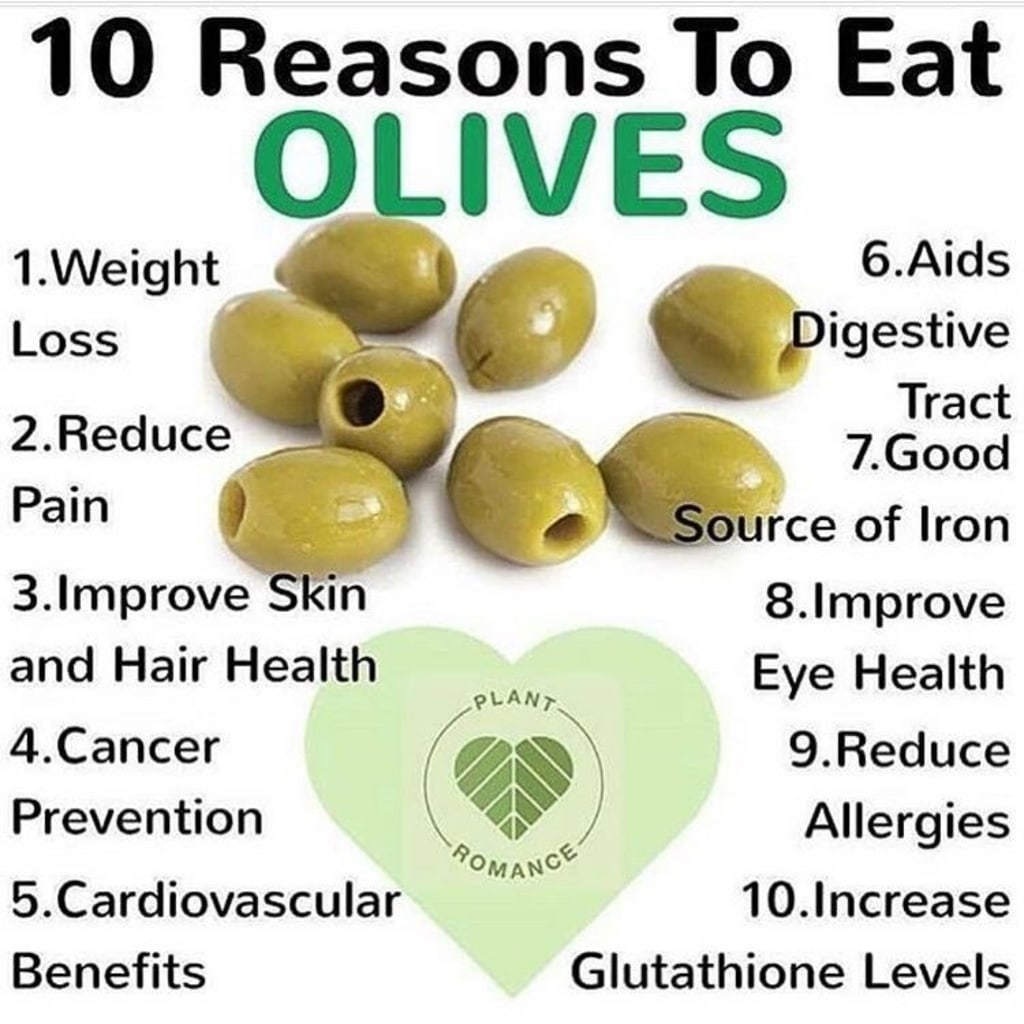
Olives are a fruit that is commonly found in Mediterranean cuisine, and they are known for their distinctive flavor and nutritional value. In this article, we will explore the many health benefits of olives.
Rich in Antioxidants
Olives are packed with antioxidants, which help protect our cells from oxidative stress caused by free radicals. These compounds help prevent chronic diseases like heart disease, cancer, and diabetes. Olives contain phenolic compounds such as oleuropein, hydroxytyrosol, and tyrosol, which are powerful antioxidants that help neutralize free radicals.
Anti-Inflammatory Properties
Olives have anti-inflammatory properties, which can help reduce inflammation in the body. Chronic inflammation has been linked to a wide range of diseases, including cancer, Alzheimer's, and arthritis. The polyphenols in olives can help reduce inflammation by blocking the enzymes that produce inflammation in the body.
Good for Heart Health
Olives are good for heart health because they contain healthy fats, such as monounsaturated and polyunsaturated fats. These fats help lower cholesterol levels, reduce the risk of heart disease, and improve overall heart health. Additionally, the antioxidants in olives help reduce the risk of heart disease by preventing the oxidation of LDL (bad) cholesterol.
Promotes Digestive Health
Olives are an excellent source of dietary fiber, which is essential for digestive health. Fiber helps regulate bowel movements, prevent constipation, and improve overall gut health. Olives also contain a high concentration of polyphenols, which can help promote the growth of healthy gut bacteria.
Supports Bone Health
Olives are a good source of calcium, which is essential for bone health. Calcium helps strengthen bones and prevent osteoporosis, a condition that causes bones to become weak and brittle. Additionally, olives contain other minerals such as magnesium, phosphorus, and potassium, which are also important for bone health.
Helps Prevent Cancer
The antioxidants in olives help prevent cancer by neutralizing free radicals and reducing oxidative stress. Olives also contain phytochemicals, which have anti-cancer properties. Studies have shown that the consumption of olives is associated with a reduced risk of breast, colon, and skin cancer.
May Help with Weight Loss
Olives are a low-calorie food, and they can help with weight loss when consumed in moderation. The monounsaturated fats in olives can help increase feelings of fullness, which can reduce calorie intake. Additionally, the fiber in olives can help regulate blood sugar levels and prevent overeating.
Promotes Skin Health
Olives contain vitamin E, which is essential for healthy skin. Vitamin E helps protect the skin from damage caused by UV radiation, pollution, and other environmental factors. Additionally, the polyphenols in olives have anti-aging properties and can help reduce the appearance of wrinkles and fine lines.
Supports Brain Health
Olives are good for brain health because they contain healthy fats, such as monounsaturated and polyunsaturated fats. These fats help improve cognitive function and reduce the risk of cognitive decline. Additionally, the polyphenols in olives have neuroprotective properties and can help prevent neurological diseases such as Alzheimer's and Parkinson's disease.
May Help Lower Blood Pressure
Olives contain potassium, which is essential for regulating blood pressure. Potassium helps counteract the negative effects of sodium on blood pressure and can help reduce the risk of hypertension. Additionally, the polyphenols in olives can help improve endothelial function, which is essential for maintaining healthy blood pressure levels.

Olives are one of the oldest cultivated crops, and they have been used for their various health benefits for thousands of years. Olives are a rich source of monounsaturated fatty acids, which are considered to be healthy fats that help to lower cholesterol levels and reduce the risk of heart disease. Additionally, they contain many beneficial nutrients such as fiber, vitamin E, iron, and antioxidants.
Studies have shown that consuming olives can help to reduce inflammation in the body, which is a major contributor to many chronic diseases. The antioxidants found in olives have also been shown to have anti-cancer properties, and may help to protect against the development of certain types of cancer.
Olives may also help to improve brain function, as they contain compounds that have been shown to enhance cognitive function and reduce the risk of cognitive decline. Additionally, they have been linked to improvements in bone health, as they are a good source of calcium, which is essential for maintaining strong bones.
Finally, olives may also help to improve digestion, as they contain a high amount of fiber, which can help to regulate bowel movements and promote overall digestive health.
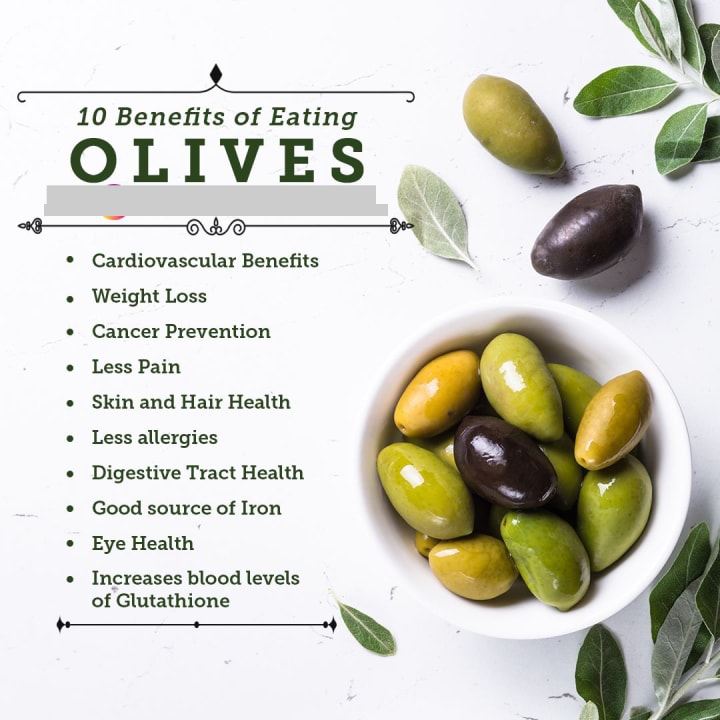
Overall, olives are a nutritious and delicious addition to any diet. Whether consumed as a snack or added to salads and other dishes, olives offer numerous health benefits that make them a great choice for those looking to improve their overall health and wellbeing.
About the Creator
We uses things benifits
Uses of things we use everyday and how to weight lose naturally and how to increase skin whitening
Keep reading
More stories from We uses things benifits and writers in Lifehack and other communities.
Nescafe
Nescafe is a brand of instant coffee that has been in existence since 1938. It is one of the most popular and widely consumed coffee brands worldwide. Nescafe is produced by Nestle, a Swiss multinational food and beverage company. Nescafe offers many benefits to coffee drinkers, including convenience, affordability, versatility, and health benefits.
By We uses things benifits 3 years ago in Lifehack
Phoenix, Arizona: The City That Learned to Grow With the Desert
When people first arrive in Phoenix, Arizona, the landscape can feel almost surreal. The vast Sonoran Desert stretches outward with towering saguaro cacti, rugged mountains, and wide skies that shift colors dramatically at sunset. At first glance, it seems like an unlikely place for a major metropolitan area.
By House Doctor5 days ago in Lifehack




Comments
There are no comments for this story
Be the first to respond and start the conversation.