
Nutritional and Oral Health:
healthy smile is reliant on a healthy diet, much like a healthy body.


Preventing tooth decay and gingival disease requires making wise food choices and eating routines.
Calcium and phosphorus are minerals that protect and rebuild tooth enamel, which helps to maintain dental health. The tooth's enamel is its tough, outer layer of protection (fun fact: enamel is the hardest substance in the human body).
The health of your teeth may be improved by eating foods high in calcium and other minerals, such as cheese, milk, plain yogurt, tofu fortified with calcium, leafy greens, and almonds. While phosphorus can be found in abundance in foods high in protein, such as meat, poultry, fish, milk, and eggs.
Fruits and vegetables are also excellent options for a healthy smile since they are high in water and fiber, which balance the sweets they contain and aid in tooth cleaning.
Additionally, these foods encourage saliva, which helps wash away food particles and acids from teeth, neutralizing acids and preventing tooth decay.
Vitamins like vitamin C, which is crucial for good gingiva and healing, and vitamin A, another essential ingredient in the development of dental enamel, are also present in many fruits and vegetables.
The best beverage for your teeth is clearly water, especially fluoridated water. It assists in maintaining oral hygiene and combats dry mouth.
In order to keep teeth free from tooth decay, fluoride must be applied frequently throughout life. One of the simplest and most effective ways to prevent cavities is to drink fluoridated water.

DOES DRINKING CARBONATED WATER HELP MY TEETH?
While somewhat more acidic than regular water, carbonated or "sparkling" water is typically safe for your teeth, according to the research that is currently available.
While substituting carbonated water for soda is a terrific idea, fluoridated water should still be used instead. The same cannot be said for all carbonated beverages.
Waters with citrus flavors could contain more acid, which could cause tooth enamel damage.
Consuming these in one sitting or together with meals is a fantastic method to help protect your teeth.
A straw can be used to help the water move through your teeth if you prefer to drink it without eating. Do not forget that sugar-sweetened beverages, such as adding sugar to sparkling waters,
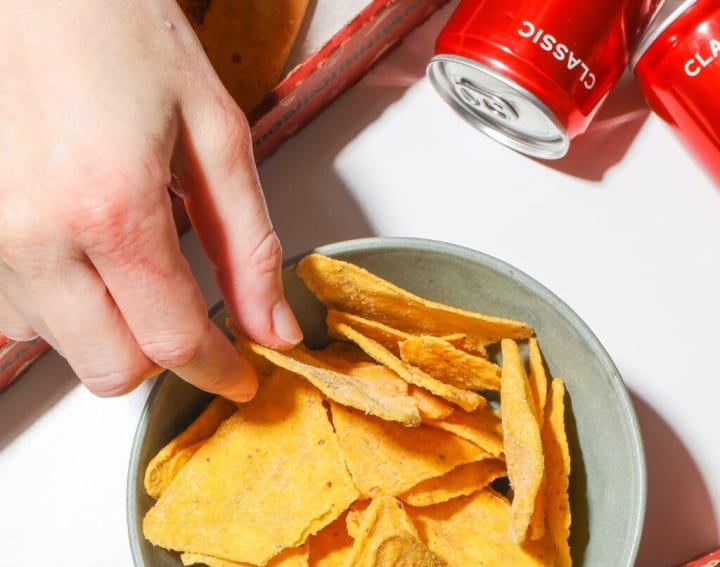
How eating snacks can harm your oral health
Your teeth might be impacted by what you eat and how frequently you eat. If not regularly cleaned, plaque—a sticky film of germs that grows on teeth—builds up.
Sugar from your food and drink is used by plaque bacteria to produce acid, which damages tooth enamel. Even after you've stopped eating or drinking, this "acid attack" might persist up to 20 minutes.
This explains how prolonged consumption of sugary drinks or constant munching can cause tooth damage.
In addition to causing tooth decay, an excessive diet of added sugars is linked to other health issues like obesity, diabetes, and cardiovascular illnesses. Even if you aren't adding
DENTAL HEALTH AND UNDER-NUTRITION:
Oral health and nutrition are intimately intertwined. Malnutrition is described by the World Health Organization as deficiencies, excesses, or imbalances in a person's nutrient- and energy-intake patterns. Accordingly, malnutrition can be either an excess of or a deficiency of nutrition.
Inability to chew or swallow food due to dental discomfort or tooth loss can have a severe impact on nutrition. Due to poor oral health and a higher risk of malnutrition, this may include eating fewer meals or meals with poorer nutritional content.
On the other side, inadequate nutritional intake can also have a negative impact on how the oral cavity develops, how oral diseases spread, and how well wounds heal.
In this way, mouth health impacts nutrition, and nutrition influences oral health
Infection and inflammation are significantly influenced by nutrition. The body uses inflammation as one of its defense mechanisms against pathogens and damage.
Although inflammation is a normal aspect of the immune system's defense and healing mechanisms, it can be harmful if it out of balance. Inflammation thus plays a major role in many chronic diseases.
Obesity and periodontal diseases are risk factors for the development of chronic inflammation and its aftereffects.
THE TOP SECRET IS WHAT I RECOMMEND TO YOU:
100% all natural…
Benefits for maintaining healthy teeth!
• Cleaner Smile Teeth Whitening Kit
• ProDentim - Monster In The Dental Niche
About the Creator
Sonny Servaz
Father, writer, poet, and husband. Family, education, health & wealth, politics, relationships, speculative fiction & fact, humor, and writing are some of my favorite topics to blog about.
Keep reading
More stories from Sonny Servaz and writers in Lifehack and other communities.
The Burnout Generation: Why I’m Rejecting Hustle Culture for My Mental Health
I used to believe that grinding—24/7, no breaks, no excuses—was the only way to succeed. Coffee in one hand, deadlines in the other, my brain constantly buzzing, my chest tight, my mind refusing to rest.
By Anie Liban7 days ago in Lifehack


Comments
There are no comments for this story
Be the first to respond and start the conversation.