
Nutrition and Healthy Eating
Building a Foundation for Lifelong Wellness

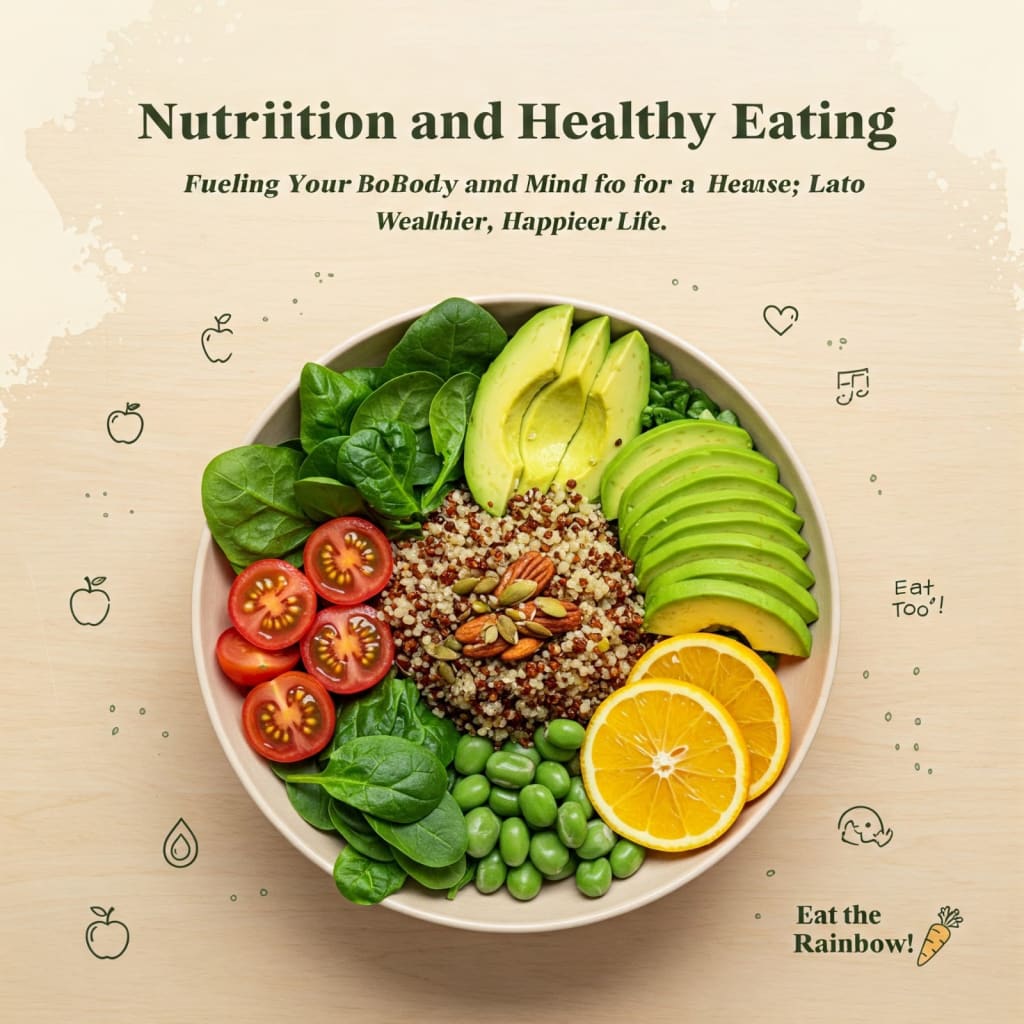
Nutrition and Healthy Eating: Building a Foundation for Lifelong Wellness
In a world of fast food, hectic schedules, and conflicting diet trends, the importance of proper nutrition and healthy eating cannot be overstated. Nutrition is not just about the number of calories consumed—it’s about fueling the body with the right balance of nutrients to support physical, mental, and emotional well-being. Healthy eating is a lifestyle choice that lays the foundation for long-term health, disease prevention, and overall quality of life.
Understanding Nutrition: More Than Just Food
Nutrition refers to the process by which our bodies take in and utilize food and nutrients to support life. It involves various biological processes, including digestion, absorption, and metabolism. The key nutrients essential for human health include:
Carbohydrates: The body's main source of energy. Found in grains, fruits, vegetables, and legumes.
Proteins: Essential for growth, repair, and maintenance of body tissues. Sources include meat, dairy, beans, and nuts.
Fats: Crucial for brain function and hormone production. Healthy fats are found in olive oil, avocados, and nuts.
Vitamins and Minerals: Help regulate bodily functions and prevent deficiencies. These include vitamin C, iron, calcium, and many others.
Water: Vital for every cell in the body, aiding in hydration, temperature regulation, and waste elimination.
Balanced nutrition means consuming the right quantities of these nutrients in a way that supports the body's needs at different stages of life—from childhood and adolescence to adulthood and old age.
The Pillars of Healthy Eating
Healthy eating is not about strict dietary limitations or depriving yourself of foods you love. Instead, it’s about feeling great, having more energy, and improving your health through informed choices. Here are the key principles:
1. Eat a Variety of Foods
A diverse diet ensures you receive a broad spectrum of nutrients. Incorporate:
Fruits and vegetables in all colors—each color offers different vitamins and antioxidants.
Whole grains like oats, brown rice, and whole wheat, which provide fiber and sustain energy.
Lean proteins such as chicken, fish, legumes, tofu, and eggs.
Healthy fats from nuts, seeds, olive oil, and fatty fish.
2. Moderation is Key
Portion control is critical. Even healthy foods can contribute to weight gain if consumed in excess. Avoid overeating by:
Listening to your body’s hunger cues
Eating slowly and mindfully
Avoiding distractions during meals
3. Limit Processed and Sugary Foods
Highly processed foods often contain unhealthy fats, excess sugar, and sodium, which can lead to obesity, heart disease, and other health problems. Opt for fresh, whole foods when possible and minimize:
Sugary beverages like soda and energy drinks
Packaged snacks with high sodium or added sugars
Fast food and deep-fried items
4. Stay Hydrated
Water supports digestion, nutrient absorption, and waste elimination. Aim for at least 8 cups (2 liters) of water per day, more if you’re active or in a hot climate. Limit caffeine and alcohol, which can dehydrate the body.
The Connection Between Nutrition and Chronic Disease
Poor nutrition is a leading risk factor for many chronic diseases. Diets high in saturated fats, refined sugars, and sodium contribute to conditions such as:
Heart Disease: Excessive intake of trans fats and cholesterol increases the risk of heart attacks and strokes.
Diabetes: A high-sugar diet can lead to insulin resistance and type 2 diabetes.
Obesity: Consuming more calories than needed, particularly from nutrient-poor foods, leads to weight gain and obesity-related complications.
Hypertension: High sodium intake elevates blood pressure, increasing the risk of cardiovascular issues.
Conversely, a nutrient-rich diet supports the immune system, promotes healthy weight, reduces inflammation, and boosts mental clarity and mood.
Mental Health and Nutrition
The impact of nutrition on mental health is gaining increasing recognition. Nutrients such as omega-3 fatty acids, B vitamins, magnesium, and antioxidants play a crucial role in brain health. Studies suggest that individuals who follow healthy diets—such as the Mediterranean or DASH diets—have lower rates of depression and anxiety.
Eating well helps regulate neurotransmitters, stabilize mood, and reduce stress. Conversely, diets high in processed foods and sugar can contribute to mood swings, fatigue, and irritability.
Making Healthy Eating Sustainable
Adopting healthier eating habits doesn’t mean a total overhaul overnight. Small, consistent changes are often more sustainable and effective. Here are some practical tips:
Meal planning: Prepare a weekly menu to avoid impulsive, less healthy choices.
Cook at home: Home-cooked meals allow better control over ingredients and portion sizes.
Read labels: Check for hidden sugars, sodium, and unhealthy fats in packaged foods.
Snack smart: Choose options like fruits, yogurt, or nuts instead of chips or candy.
Practice mindful eating: Be present while eating—chew thoroughly, savor flavors, and stop when full.
Special Diets and Trends: Caution is Key
With the rise of social media and wellness influencers, various diet trends have gained popularity—keto, intermittent fasting, plant-based, gluten-free, and more. While some of these can offer benefits, they’re not one-size-fits-all solutions. It’s essential to:
Consult with a registered dietitian or healthcare professional before starting any new diet
Avoid fad diets that promise quick results with minimal effort
Focus on long-term habits over short-term restrictions
About the Creator
Saim Bill
I’m a passionate article writer who loves sharing ideas, stories, and insights with the world.
10 Questions to Ask a Painter Before You Sign a Contract
Hiring a painter may seem straightforward, but many Australian homeowners and business owners only realise the risks after they sign a contract. Poor preparation, vague quotes, and unclear responsibilities often lead to budget overruns, delays, or substandard results.
By Anshul Vijayabout 17 hours ago in Lifehack
How Big Game Hunting in Namibia Supports Wildlife Conservation
Namibia is widely recognized as one of Africa’s greatest wildlife conservation success stories. Unlike many countries where wildlife populations have declined, Namibia has seen steady growth in key species such as elephant, black rhino, lion, and plains game. A major reason behind this success is the country’s carefully regulated big game hunting namibia model, which directly supports conservation, habitat protection, and rural livelihoods.
By Aru Game Lodges 6 days ago in Lifehack




Comments
There are no comments for this story
Be the first to respond and start the conversation.