
How to Plan Gangotri Yamunotri Yatra
Your Complete Guide to Planning a Spiritual Journey to Gangotri and Yamunotri
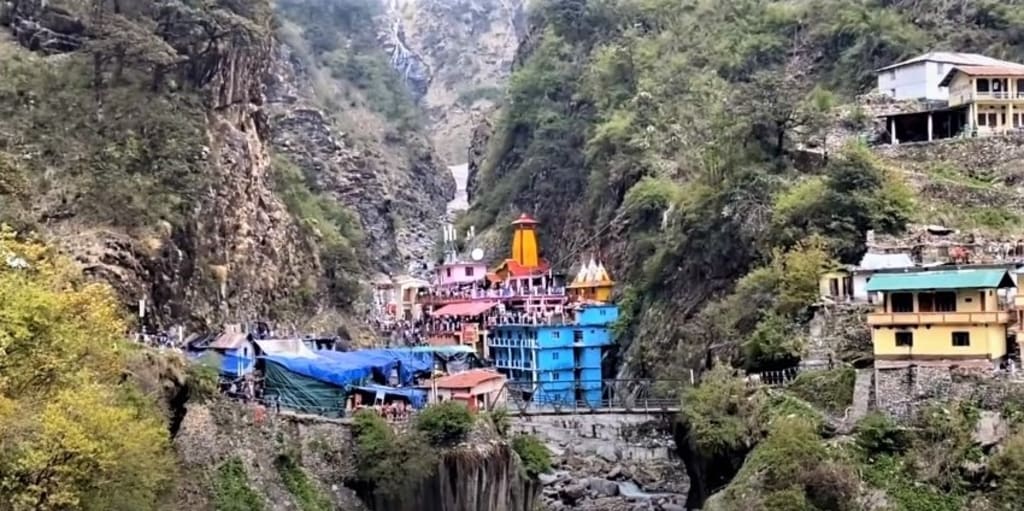
Planning a trip to Gangotri and Yamunotri, two of the most revered pilgrimage destinations in India, is a spiritual journey that requires a blend of careful preparation, understanding of the region, and respect for the environment and culture. Located in the majestic Uttarkashi district of Uttarakhand, both of these holy shrines are part of the Char Dham Yatra — a sacred circuit of four pilgrimages that also includes Kedarnath and Badrinath. In this detailed guide, we will cover how to plan a Gangotri Yamunotri Yatra, including travel logistics, important tips, and cultural insights.
1. Introduction to the Yatra
The Gangotri Yamunotri Yatra is not just a journey through the physical world but a spiritual pilgrimage that takes you closer to the divine. The Gangotri Temple is dedicated to Ganga, the goddess of purity, while the Yamunotri Temple honors Yamuna, the goddess of rivers. These two rivers are not just water bodies, but sacred elements of Hindu spirituality.
The Char Dham Yatra, which includes Gangotri and Yamunotri, is one of the most significant pilgrimages in Hinduism. It is believed that completing the journey to these holy places purifies the soul, and devotees seek blessings for peace, prosperity, and the well-being of their families.
2. Best Time to Visit
The best time to visit Gangotri and Yamunotri is between May and October, as these shrines remain closed during the winter months due to heavy snowfall. Specifically:
- Summer (May to June): This is the ideal time to visit, with pleasant weather and clear skies. Daytime temperatures are moderate, and the evenings are cool.
- Monsoon (July to September): Although the region experiences heavy rainfall during the monsoon, which increases the risk of landslides, some pilgrims still venture during this period, although it’s not recommended.
- Autumn (October): The weather is crisp and clear, making it another excellent time for a pilgrimage.
3. How to Reach Gangotri and Yamunotri
By Air:
- Jolly Grant Airport (Dehradun) is the nearest airport to both Gangotri and Yamunotri, located about 250 km away. From there, taxis or buses can be taken to reach the base camps or directly to the temples.
By Train:
- The closest railway station to Gangotri and Yamunotri is Rishikesh (about 220 km) or Haridwar (about 300 km). These stations are well-connected to major cities in India. From the station, you can take buses or taxis to continue the journey.
By Road:
- The most common way to reach Gangotri and Yamunotri is by road, as the routes provide stunning views of the Himalayan landscape. From Haridwar, Rishikesh, or Dehradun, buses and taxis are available to Uttarkashi, the base point for both destinations.
- From Uttarkashi, taxis or buses will take you to Gangotri (100 km) and Yamunotri (150 km).
Local Transport:
- Once you reach Gangotri or Yamunotri, you can either walk to the temples or hire a pony, mule, or palanquin for assistance.
4. Accommodation Options
Both Gangotri and Yamunotri offer basic accommodation options. These can range from simple dormitory-style rooms in ashrams to more comfortable hotels and guesthouses.
Gangotri Accommodation:
- There are several budget hotels and guesthouses in Uttarkashi from where you can easily travel to Gangotri.
- Many pilgrims stay at the Gangotri Ashram, which offers a spiritual atmosphere with meals and lodging.
- A few premium options are available with modern facilities.
Yamunotri Accommodation:
- Yamunotri has limited accommodation options. The most common stays are budget guesthouses, dharamsalas, and small hotels.
- The Yamunotri Temple Complex has a few simple lodgings and small eateries.
- It’s best to book accommodation in advance, especially during peak pilgrimage seasons.
5. What to Pack for the Yatra
Packing for the Gangotri and Yamunotri Yatra requires careful consideration of the cold weather, physical demands, and religious customs. Here's a checklist:
Clothing Essentials:
- Warm clothes: A fleece jacket, thermal innerwear, woolen socks, and gloves.
- Rain gear: Waterproof jackets or ponchos, especially if you travel during monsoon.
- Comfortable trekking shoes: Good grip shoes for long walks.
- Hats and sunglasses: Protection against the sun at high altitudes.
- Cotton and woolen socks: To keep your feet comfortable while walking.
Other Important Items:
- Medicines: Carry a basic medical kit (headache, stomach ache, motion sickness, etc.), especially if you are sensitive to high altitudes.
- Water bottle: Stay hydrated throughout your journey.
- Personal identification: Government-issued ID and any required permits.
- Camera: Capture the divine beauty of the mountains, rivers, and temples.
- Snacks: For your long journey or treks to the temple.
6. Itinerary Suggestions
Day 1: Arrival at Haridwar or Rishikesh
- Arrive at Haridwar or Rishikesh and take a local bus or taxi to Uttarkashi (about 6-7 hours).
- Overnight stay in Uttarkashi.
Day 2: Uttarkashi to Gangotri
- Drive to Gangotri (about 100 km from Uttarkashi).
- Visit the Gangotri Temple, perform your prayers, and take a dip in the holy Ganges river.
- Stay overnight in Gangotri or nearby guesthouses.
Day 3: Gangotri to Yamunotri
After an early breakfast, head towards Yamunotri (approximately 150 km from Gangotri).
On arrival, visit the Yamunotri Temple and perform the rituals.
Stay overnight in Yamunotri or nearby accommodations.
Day 4: Yamunotri to Uttarkashi/Haridwar
- After Darshan, travel back to Uttarkashi or Haridwar for your return journey.
7. Health and Safety Tips
Acclimatization: The altitude can be challenging, so take regular breaks and avoid exertion in the first few days. If you experience symptoms of altitude sickness, such as headaches, dizziness, or nausea, seek immediate rest and hydration.
Stay Hydrated: The dry mountain air can dehydrate you quickly, so drink plenty of water during your travels.
Physical Fitness: The pilgrimage involves some walking and moderate trekking. Prepare physically for the journey with basic walking and stamina-building exercises.
Emergency Contacts: Know the emergency contacts for local medical facilities and authorities.
8. Cultural Insights
Understanding the religious significance of Gangotri and Yamunotri enhances the experience. Here are some cultural insights:
- Puja and Rituals: Every pilgrim visiting Gangotri and Yamunotri performs a religious ritual or puja. It is customary to offer prasad (a sacred offering), which can be bought from shops around the temples.
- Langar: Many temples offer free meals (langar) to devotees. Participating in this is an essential part of the yatra experience.
- Temple Etiquette: When visiting the temples, be respectful and follow the customs, such as removing shoes before entering the temple and maintaining silence.
9. Important Temples and Sights
Gangotri Temple:
- The Gangotri Temple, dedicated to Goddess Ganga, is the central shrine. A divine aura surrounds the temple, with the sound of the river Ganges flowing nearby.
- The Bhagirath Shila, located near the temple, is where King Bhagirath is said to have meditated to bring Ganga to the Earth.
Yamunotri Temple:
- The Yamunotri Temple is dedicated to Goddess Yamuna. The temple is located at an altitude of 3,290 meters (10,797 feet).
- The hot Sulphur Springs near the temple are famous for their healing properties.
Other Sights:
- Surya Kund (hot spring near Yamunotri)
- Harsil: A picturesque village en route to Gangotri
- Kedar Tal: A serene high-altitude lake near Gangotri
10. Conclusion
The Gangotri Yamunotri Yatra is a transformative journey that connects you to the divine and offers a peaceful escape from the stresses of modern life. By carefully planning your trip, considering your health and safety, and respecting the spiritual significance of these sacred sites, you can make the most of this life-changing experience. May your pilgrimage bring you blessings and peace on this spiritual odyssey.
About the Creator
Rawat Sikhar
Rawat is a seasoned digital marketing expert with a knack for crafting compelling campaigns and leveraging data-driven strategies to maximize online visibility and engagement.
Keep reading
More stories from Rawat Sikhar and writers in Lifehack and other communities.
How to Plan Har Ki Dun Trek
The Har Ki Dun trek, located in the Garhwal region of Uttarakhand, is one of the most scenic and culturally enriching treks in India. Known as the "Valley of Gods," this trek offers trekkers the chance to explore pristine landscapes, quaint villages, and rich biodiversity. With its perfect blend of adventure, natural beauty, and cultural immersion, Har Ki Dun is a great trek for both beginners and seasoned trekkers. If you’re planning to embark on the Har Ki Dun trek, here’s a comprehensive guide on how to plan your adventure effectively, from choosing the right time to visiting the most remarkable spots.
By Rawat Sikharabout a year ago in Lifehack
How to choose a hiking sleeping bag
Wherever the night finds you, a comfortable and full sleep will always be a priority. And it doesn't matter if you are in a cosy hotel or tent. Therefore, if you are planning a hike in the mountains with an overnight stay, it is important to take care of the necessary equipment for a comfortable and safe sleep. It's about a sleeping bag.
By Olaf Podolski7 days ago in Lifehack
📢 Raise Your Voice Thread: 01/22/2026
Our “Raise Your Voice Threads” are hosted most alternating Thursdays at 12PM ET to offer creators more avenues to uncover exceptional stories on Vocal. As we are continuously searching for fresh creators and inspiring stories, this thread provides an opportunity to exchange and discuss the stories that have moved and motivated us on Vocal.
By Raise Your Voice by Vocal7 days ago in Resources



Comments
There are no comments for this story
Be the first to respond and start the conversation.