
Natural Remedies for Menstrual Pain Relief
Gentle and Effective Ways to Ease Discomfort During Periods

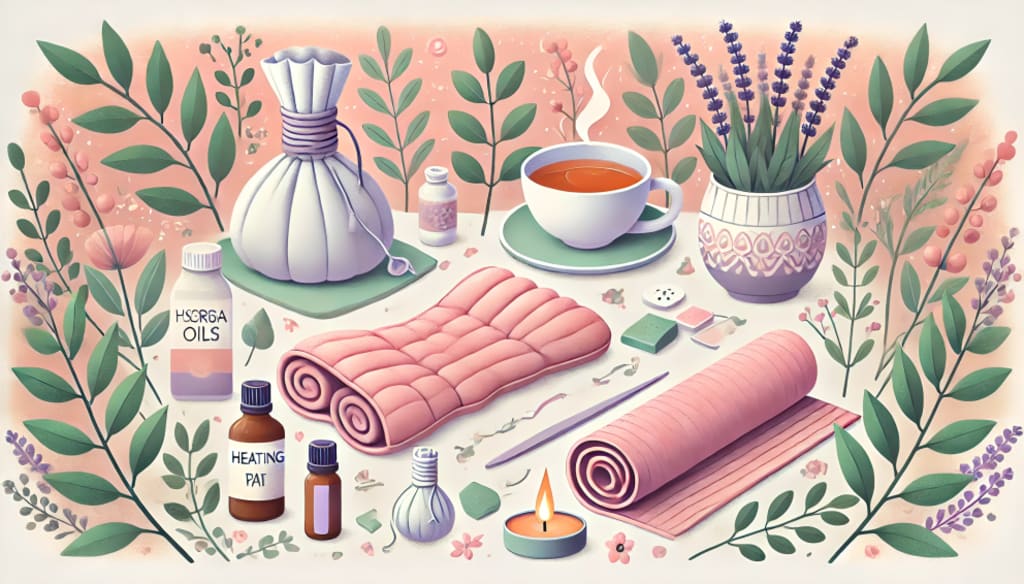
The medical term for menstrual pain is known as dysmenorrhea. Many women experience it during their menstrual cycle. While this phenomenon may be normal during menstruation, excessive pain can readily disrupt daily life and quality of life. Generally, women find themselves taking over-the-counter drugs, but some natural remedies will help them manage symptoms without experiencing side effects. Some of the most potent natural remedies that will help ease menstrual pain and discomfort during the period are as follows.
Understanding Menstrual Pain
Menstruation cramps are caused by the contraction of the uterus that aids in shedding its lining. The prostaglandins start this process as they are hormone-like substances that cause inflammation and pain. Some women experience relatively mild cramps, while others suffer from pretty sharp pains shooting down from the abdomen and into the lower back as well as to the thighs. Other factors that could make menstrual cramps worse are hormonal imbalances, stress, or a related medical condition.
Natural remedies look towards the cure while trying to ease the pain.
1. Apply Heat Therapy
One of the simplest remedies for cramps is the use of heat therapy. Applying a heating pad, a hot water bottle or even a warm towel over the lower abdomen relaxes the uterus muscles and improves blood flow, thus relieving pain.
How to Use:
Place a heating pad on your lower abdomen for 15-20 minutes. If you don’t have a heating pad, soak a towel in warm water, wring it out, and place it on the affected area.
Why It Works:
Heat therapy helps dilate blood vessels, reducing muscle spasms and cramping.
2. Herbal Teas for Comfort
Herbal teas are a natural remedy that not only soothes pain but also calms the mind. Certain herbs have anti-inflammatory and muscle-relaxing properties that target menstrual discomfort.
Recommended Herbal Teas:
- Ginger Tea: Reduces inflammation and boosts circulation.
- Chamomile Tea: Contains anti-inflammatory compounds and helps relax muscles.
- Peppermint Tea: Eases muscle spasms and improves digestion, reducing bloating.
How to Use:
Steep a teaspoon of dried herbs in hot water for 5-10 minutes. Drink 2-3 cups a day during your period.
3. Massage with Essential Oils
Massaging the abdominal area with essential oils can significantly reduce menstrual pain. The oils help improve circulation and relax tense muscles.
Recommended Oils:
- Lavender oil
- Clary sage oil
- Eucalyptus oil
How to Use:
Mix a few drops of essential oil with a carrier oil (like coconut or almond oil). Gently massage the lower abdomen in circular motions for 5-10 minutes.
Why It Works:
Essential oils contain compounds that reduce inflammation and promote relaxation.
4. Exercise and Yoga
While exercising during your period might seem counterintuitive, gentle physical activity can alleviate menstrual pain by releasing endorphins, the body’s natural painkillers.
Recommended Activities:
- Walking: A low-impact way to improve circulation.
- Yoga Poses: Child’s pose, cat-cow stretch, and cobra pose can help ease cramps.
Why It Works:
Exercise increases blood flow and reduces prostaglandin levels, easing pain and tension.
5. Maintain a Balanced Diet
What you eat during your period can impact the severity of cramps. A nutrient-rich diet can help reduce inflammation and balance hormones.
Foods to Include:
- Leafy greens (rich in magnesium and calcium)
- Fatty fish (loaded with omega-3 fatty acids)
- Nuts and seeds (contain anti-inflammatory properties)
- Fruits like bananas and oranges (help with bloating and water retention)
Foods to Avoid:
- Caffeine: Can constrict blood vessels, worsening cramps.
- Processed foods: High in salt and sugar, leading to bloating and inflammation.
6. Stay Hydrated
Dehydration can exacerbate bloating and cramps. Drinking enough water keeps the body hydrated, reducing water retention and muscle contractions.
Tips for Staying Hydrated:
- Drink at least 8-10 glasses of water daily.
- Add lemon or cucumber slices for flavor and extra nutrients.
- Avoid carbonated drinks, as they can worsen bloating.
7. Try Acupressure or Acupuncture
Traditional Chinese medicine techniques like acupressure and acupuncture have been used for centuries to manage menstrual pain.
How It Works:
Acupuncture involves inserting thin needles at specific points to improve energy flow and reduce pain.
Acupressure uses finger pressure on these points to achieve similar effects.
Points to Target:
- Spleen 6 (SP6): Located three fingers above the inner ankle.
- Conception Vessel 4 (CV4): Located just below the belly button.
8. Magnesium Supplements
Magnesium is a mineral that helps relax muscles and reduce inflammation. Taking magnesium supplements or eating magnesium-rich foods can alleviate cramps.
Sources of Magnesium:
- Dark chocolate
- Spinach
- Almonds
- Avocado
Dosage:
Consult a doctor before taking supplements, but 300-400 mg per day is generally safe for most adults.
9. Practice Stress Management
Stress can worsen menstrual pain by increasing muscle tension and hormonal imbalances. Incorporating relaxation techniques can help manage pain.
Techniques:
- Deep breathing exercises
- Meditation
- Progressive muscle relaxation
10. Sleep Well
Lack of sleep can intensify menstrual symptoms, including cramps and fatigue. Ensuring 7-8 hours of quality sleep per night can help your body recover and reduce pain.
Tips for Better Sleep:
- Maintain a consistent sleep schedule.
- Avoid caffeine and heavy meals before bedtime.
- Create a calming bedtime routine.
When to Seek Medical Advice
While natural remedies are effective for most women, severe or persistent menstrual pain may indicate an underlying condition such as endometriosis, fibroids, or pelvic inflammatory disease.
Consult a doctor if:
- Pain is unbearable and disrupts daily activities.
- You experience heavy bleeding or large blood clots.
- Symptoms worsen over time.
Conclusion
Menstrual pains are very common; however, they should not control your life. These natural remedies will help ease the cramps, reduce pain, and improve general menstrual health. Three holistic ways of managing the pain include heat therapies, herbal teas, and yoga. Every woman's body is uniquely different, so try out all these methods to see what fits your needs. For chronic pain, seek professional medical advice.
About the Creator
GAURAV MEWAL
Gaurav Mewal is a professional article writer known for crafting engaging, well-researched, and versatile content across various topics. He delivers high-quality articles tailored to meet client needs with precision and creativity.
Keep reading
More stories from GAURAV MEWAL and writers in Lifehack and other communities.
Comprehensive Pricing Strategies for Amazon & Flipkart Success
It makes an art-scientific set of the pricing for products when selling on both Amazon and Flipkart. Whether it's just a question of luck or a carefully researched pricing strategy can be a great determinant of your success here. This paper examines various possible pricing strategies the sellers may engage in to drive their business through those competitive markets of today.
By GAURAV MEWALabout a year ago in Lifehack



Comments
There are no comments for this story
Be the first to respond and start the conversation.