
Native American Religion: Spirituality Rooted in Nature and Tradition
Life
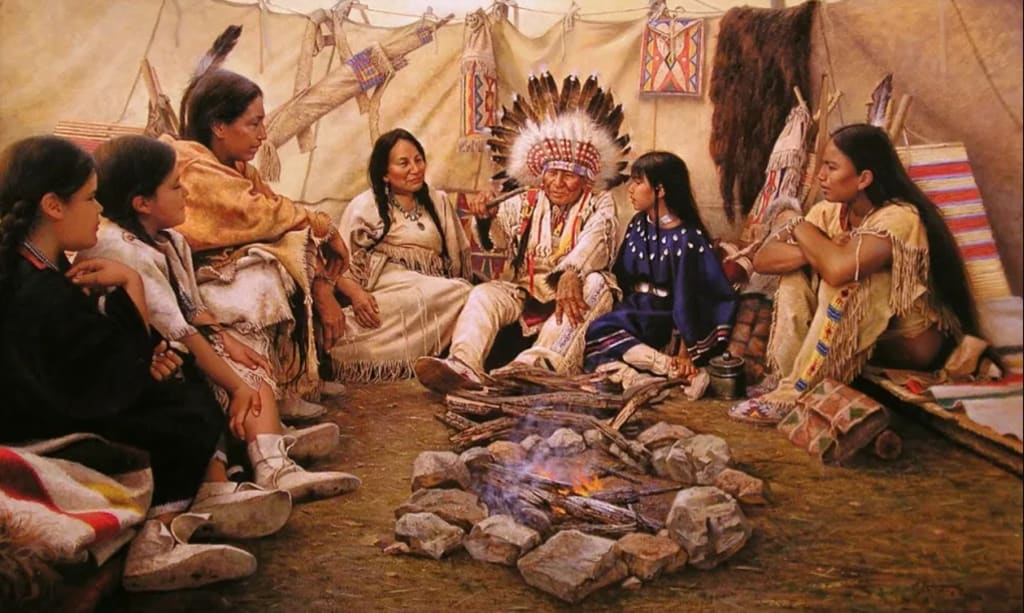
Native American religion encompasses a wide array of spiritual beliefs, rituals, and practices passed down through generations. Each tribe possesses its own unique worldview, yet common themes of respect for nature, interconnectedness, and the importance of ancestral heritage are prevalent across Native American spirituality. This article explores the foundational aspects of Native American religion, highlighting its rich traditions, ceremonies, and connection to the natural world.
Spiritual Beliefs and Worldview
Native American religion is deeply intertwined with nature. Unlike many organized religions, Native spirituality does not rely on a single written text or doctrine. Instead, it is an oral tradition passed down through stories, rituals, and teachings.
At the heart of Native American beliefs is the idea that all life forms—humans, animals, plants, and even inanimate objects—are interconnected and possess a spirit or life force. This worldview encourages a profound respect for the natural world and recognizes the sacredness of all living beings.
For example, the Lakota Sioux believe in the concept of "Wakan Tanka" or the Great Spirit, which represents a divine force that manifests through everything in the universe. Similarly, the Hopi people hold that the world is overseen by Kachinas, spiritual beings who guide and protect the community.
Ceremonies and Rituals
Native American religious practices are rich with rituals that honor the cycles of nature, life, and death. These ceremonies often involve dance, music, storytelling, and symbolic objects like feathers, drums, and sacred herbs.
1. The Sun Dance
The Sun Dance is a significant ritual performed by various Plains tribes, such as the Lakota, Cheyenne, and Arapaho. This ceremony is held annually during the summer solstice and is a time of prayer, renewal, and sacrifice. Participants engage in fasting, dancing, and enduring physical trials to honor the Great Spirit and seek blessings for the community.
2. The Ghost Dance
The Ghost Dance emerged in the late 19th century among tribes facing oppression and displacement. It was believed that through this dance, ancestors would return, the buffalo would replenish, and white settlers would leave Native lands. While the dance was suppressed by the U.S. government, it remains a powerful symbol of resilience and hope.
3. Smudging Ceremony
Smudging is a purification ritual involving the burning of sacred herbs like sage, cedar, sweetgrass, and tobacco. The smoke is wafted over individuals or spaces to cleanse negative energy and invite positive spirits. This practice is common among tribes such as the Navajo, Cherokee, and Lakota.
Sacred Symbols and Objects
Symbols and sacred objects play a crucial role in Native American religion. They serve as tools for spiritual connection and guidance.
-The Medicine Wheel: Also known as the Sacred Hoop, the Medicine Wheel represents balance, harmony, and the cycles of life. Its four quadrants often symbolize the cardinal directions, the seasons, and different aspects of human existence.
-Totem Poles: Among tribes of the Pacific Northwest, totem poles are carved with figures representing family lineage, mythological stories, and spiritual beings. Each carving holds deep cultural significance.
-Dreamcatchers: Originating from the Ojibwe (Chippewa) people, dreamcatchers are believed to filter out bad dreams and allow only positive visions to pass through.
Shamans and Spiritual Leaders
Spiritual leaders, often referred to as shamans, medicine men, or healers, hold a revered place in Native American communities. These individuals possess deep knowledge of rituals, herbs, and spiritual practices. They act as intermediaries between the physical and spiritual worlds, offering healing, guidance, and wisdom.
In many tribes, becoming a shaman involves a calling or vision quest, where the individual receives a spiritual message or sign. This journey of self-discovery and connection with nature is critical to their role as a healer.
The Importance of Storytelling
Storytelling is an essential element of Native American religion. Oral narratives convey moral lessons, creation myths, and the origins of rituals. These stories are not merely for entertainment—they are a means of preserving cultural identity and instilling spiritual values.
For example, the Iroquois have a creation story about Sky Woman, who fell to Earth and created the land on the back of a giant turtle. This story illustrates the tribe's respect for nature and the belief in a harmonious relationship between humans and the Earth.
Connection to the Land
Native American spirituality emphasizes a deep connection to the land. Sacred sites like mountains, rivers, and caves are viewed as places where the divine and mortal worlds intersect. Protecting these sites is a core part of maintaining spiritual balance.
Examples of Sacred Sites:
-Bear Butte (South Dakota): A sacred site for the Lakota and Cheyenne people.
-Canyon de Chelly (Arizona): Holds spiritual significance for the Navajo Nation.
-Mount Shasta (California): Revered by the Shasta, Wintu, and other tribes.
Contemporary Challenges and Revival
Despite centuries of suppression through colonization and assimilation policies, Native American religion continues to thrive. Many tribes are revitalizing their spiritual practices and sharing them with younger generations.
The passage of the American Indian Religious Freedom Act (1978) helped protect the right to practice traditional beliefs. Today, Native spirituality is celebrated not only within tribes but also recognized globally for its environmental wisdom and holistic worldview.
Conclusion
Native American religion offers a profound perspective on spirituality, nature, and community. Rooted in ancient traditions and adaptable to contemporary life, it continues to inspire and guide those who seek balance, respect, and interconnectedness.
About the Creator
Keep reading
More stories from Vala Flynn and writers in Lifehack and other communities.
Stress-Free Travel Made Easy: Practical Tips for Effortless Adventures
Travel is one of the most enriching experiences we can have, opening our eyes to new cultures, landscapes, and perspectives. But anyone who has ever rushed through an airport, dealt with lost luggage, or struggled to navigate unfamiliar public transportation systems knows that travel can also be stressful. Fortunately, it doesn’t have to be that way. With a few practical tips and smart strategies, you can make your travels more effortless and enjoyable. Whether you’re planning a weekend getaway or a months-long adventure, here’s how to travel stress-free and truly soak up every moment.
By Vala Flynnabout a year ago in Lifehack




Comments
There are no comments for this story
Be the first to respond and start the conversation.