
National Disaster Preparedness Month
Here's How You Can Make The Most Of It


September is the National Emergency Preparedness Month. This is an annual event created by FEMA to raise awareness about getting disaster ready. FEMA wants to get everyone on board by protecting themselves and their families by having a minimum of three days’ worth of supplies on hand in order to take care of themselves during a disaster or crisis. Preparing for disasters creates a legacy for you and your loved ones that can be passed down for generations. Despite the many years of promoting this month-long holiday, only 40% of the population say they are barely ready if at all, to take on a crisis for three days, let alone weeks or months. Here are some good ideas you can use to make the most of this time of the year.
Doomsday Sales

This is the time of year when sales are happening everywhere. Stores need the shelf space for Christmas and other upcoming holidays so they’ll want to clear them quickly. Back To School sales are ending, so binders, backpacks, and many home goods will be marked down. They will also have toys on clearance as stores will want to carry the hottest toys of the season, not last year’s junk. Summer and last year’s winter items are going to be marked down as summer ends and winter lurks in the shadows of fall. Hunting season is beginning soon, so camping stores will have good sales on outdoor gear. Stores like Lowes and Walmart will set up disaster preparedness displays to reach out to people seeking to get started in prepping.
Put Together A Bag Or Specialty Kit
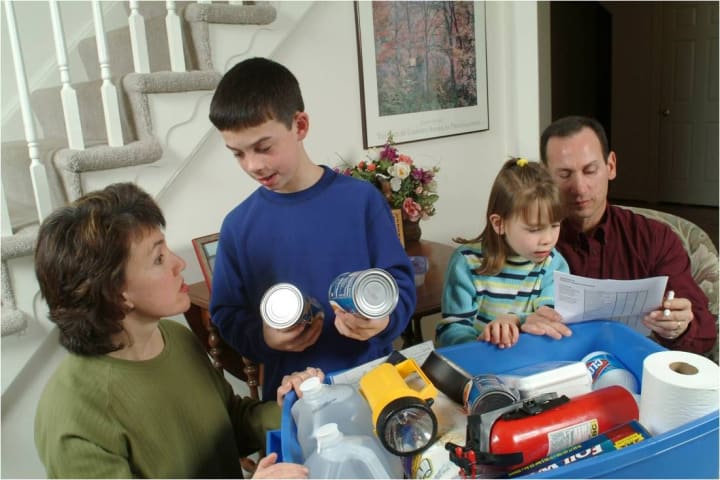
This is a great motivator to get you started in prepping, as these are smaller, cheaper, and less time-consuming to make. Throughout my blog, I offer many fun specialty kits you can put together in a single day. I designed the Specialty Kits for a single type of situation, whereas your Bug-Out Bag will take a bit more planning on your part to get started. Assembling a Bug-Out Bag is a fun way to get the family involved, as everyone can make their own personalized one. By allowing your loved ones to take part, you are getting them involved in the experience, making them more interested in prepping. So, make a whole day of it by buying snacks, ordering pizza, and running through scenarios with them on what they would do in such a situation while you shop.
Take That Class

Now would be a great opportunity to take that class you’ve been putting off. FEMA offers free disaster preparedness classes online, while your local Parks and Recreation Department offers outdoor survival classes for free. Look into getting your HAM radio operator’s license. Contact your local community college about any upcoming medical or homesteading classes they have available. As the school term begins, more classes will be available than at any other time of the year. If you’re already in college, see if you can add these lessons to your requirements list to graduate, as most degrees require a certain number of extracurriculars to graduate. Fire or EMS stations might have first aid lessons because they often partner with FEMA and would love for you to be disaster ready.
Getting Your Neighbors Involved
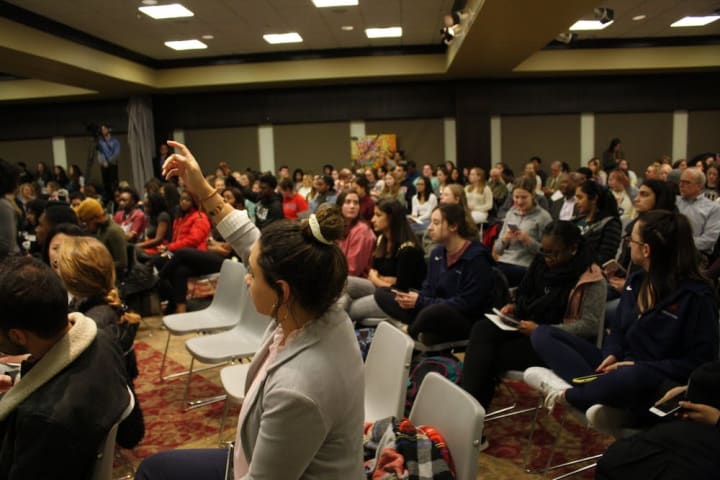
Surviving doomsday will be a group effort. Most disasters are going to be local, so chances are you and your neighbors will be on your own shortly after it clears. Invite all of them over for a get-together at your house to put together a community disaster plan for the block. At the meeting, learn who has what, and what skills they can bring to the table. By drafting this plan, you’ll ensure clean-up happens faster, and it will restore normalcy quicker. Elderly and disabled residents can rest at ease knowing that they won’t be left behind in the rescue efforts. This is also a good time to start a bartering system as you will know who knows how to do what craft. By having your neighbors back during the big ones, they’ll be there for you during the smaller ones.
Putting Together A Plan
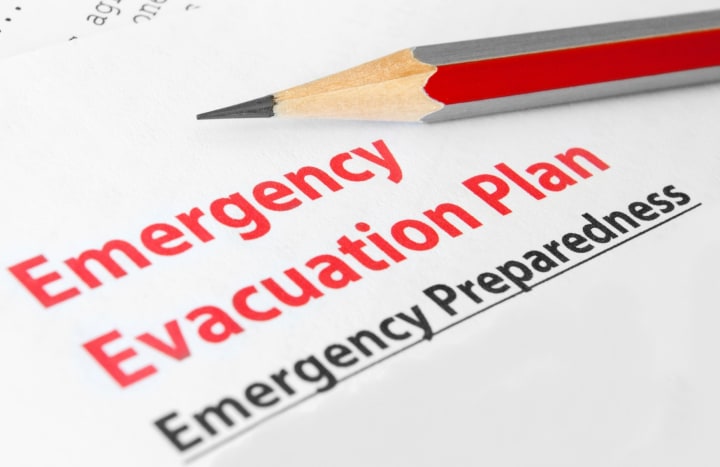
72% of people in the US do not have a disaster plan in place. Most of them often skip this in prepping as they find the process boring. Putting together a disaster plan might not be as fun as assembling your food rotation, but it is still a vital part of your overall survival. Having a plan helps you prepare for evacuation better. They let you know where to look in case your family is ever separated during the disaster, which is a high possibility. Many people often die running back into house fires to save loved ones, only for them to be found on the other side of the house because they didn’t have a meeting place set. Have your kids pick the meeting spots, as these are the place they are most comfortable with. For more information on this, read my article on Doomsday Planning at https://shopping-feedback.today/lifehack/doomsday-paperwork%3C/a%3E.%3C/p%3E%3Cstyle data-emotion-css="14azzlx-P">.css-14azzlx-P{font-family:Droid Serif,Georgia,Times New Roman,Times,serif;font-size:1.1875rem;-webkit-letter-spacing:0.01em;-moz-letter-spacing:0.01em;-ms-letter-spacing:0.01em;letter-spacing:0.01em;line-height:1.6;color:#1A1A1A;margin-top:32px;}
For more information on getting started visit https://www.ready.gov/
About the Creator
M.L. Lewis
Welcome to my little slice of pie. This blog will primarily focus on prepping and homesteading skills with a sprinkle of fiction every now and then.
Keep reading
More stories from M.L. Lewis and writers in Lifehack and other communities.
The Doomsday Kitchen
36% of Americans cook at home daily. Eating meals at home is five times cheaper than eating out regularly. Roughly half of the population cooks 3-6 days a week. Because of the pandemic, interest in cooking has gone up to 57%. The art of cooking has existed for over 2 million years, with recipes dating back to 1700 BC. Here are some interesting ways to use common kitchen tools in a disaster.
By M.L. Lewis4 years ago in Lifehack
SEO Mentor Nestor Vazquez and a Different Way of Understanding Search
In many discussions about digital marketing, search engine optimization is often presented as a technical discipline. Articles tend to focus on rankings, backlinks, analytics dashboards, and algorithm updates. While these elements are certainly part of the field, they do not fully explain how people actually learn to understand search.
By House Doctora day ago in Lifehack
How to Find Penny Items at Dollar General
Imagine walking into Dollar General and walking out with a cart filled with items that cost you a total of less than a dollar. The lucky few who snag penny items certainly have experienced the adrenaline and happiness it creates. If you want to feel like a Queen (or king) for a day, read below to learn how you can become a DG penny-aire.
By Criminal Mattersa day ago in Lifehack



Comments
There are no comments for this story
Be the first to respond and start the conversation.