
My Knee Hurts When I Straighten It And Put Pressure On It
Why Does My Knee Hurt When I Straighten It and Put Pressure On It?


Knee pain is something almost everyone has encountered at some point. Whether you're an athlete, someone who stays active, or just someone who likes taking leisurely walks, knee pain can seriously disrupt your day-to-day life. If you notice pain specifically when you straighten your knee and apply pressure, it’s crucial to figure out what's going on and how you can fix it.
Understanding Knee Pain
Breaking Down the Knee’s Anatomy
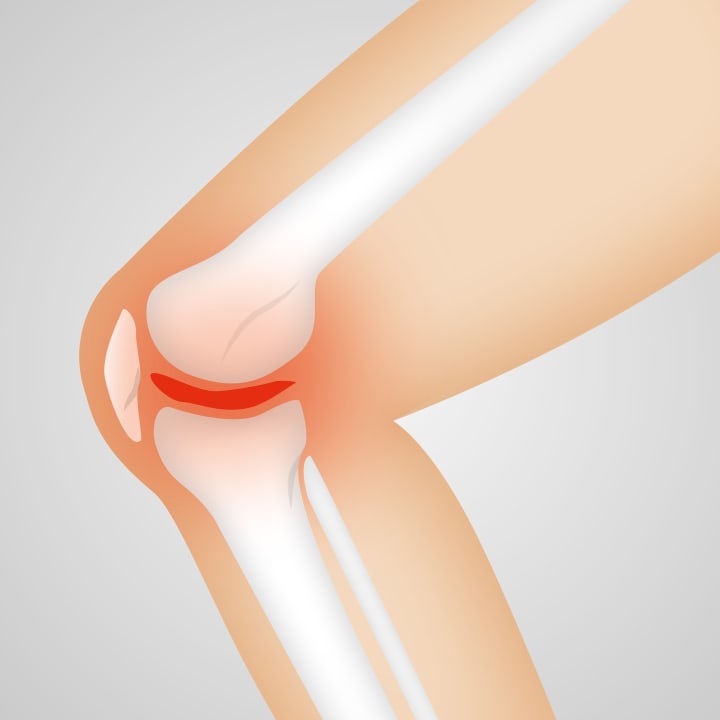
The knee is a pretty complex joint, and it’s one of the largest in your body. It connects your thigh bone (femur) to your shin bone (tibia) and is supported by muscles, tendons, and ligaments. The kneecap (patella) sits in front and helps protect the joint.
How Your Knee Actually Works?

Think of your knee as a hinge, allowing your leg to bend and straighten. It’s involved in almost every movement that requires you to bear weight—whether you're walking, running, or even just standing up. Cartilage cushions the bones, while ligaments and tendons keep everything stable and working smoothly.
Common Signs That Something's Not Right
Knee pain doesn’t always feel the same. It might be sharp or dull, constant or only show up when you move. Common symptoms include:
- Pain when you straighten your knee
- Swelling or stiffness
- A popping or clicking sensation when you move your knee
- Feeling like your knee might give out
- Difficulty putting weight on the leg
Why Does My Knee Hurt When I Straighten It and Put Pressure On It?
Patellar Tendinitis (AKA Jumper’s Knee)
Patellar tendinitis happens when the tendon connecting your kneecap to your shin bone gets irritated or inflamed. It’s a common issue if you do a lot of jumping or running, especially in sports like basketball or volleyball.
Signs you might have it:
- Pain just below your kneecap
- Swelling and tenderness around the tendon
- A stiff feeling in your knee, especially in the morning or after activity
Meniscus Tears
The meniscus is a piece of cartilage that cushions your knee. A sudden twist or turn can cause it to tear, which is common in sports or even during routine activities if you’re not careful. As we age, our cartilage can weaken, making tears more likely.
Signs you might have it:
- Pain when you straighten or twist your knee
- Swelling and stiffness
- A feeling like your knee is locking or catching
Osteoarthritis
Osteoarthritis is when the cartilage in your knee wears down over time. Without that cushion, the bones in your knee start rubbing together, leading to pain and inflammation.
Signs you might have it:
- Persistent pain, especially when you put weight on your knee
- Stiffness and a reduced range of motion
- Swelling and tenderness around the joint
- A grinding sensation when you move
Bursitis
Your knee has small sacs of fluid called bursae that help reduce friction. When these get inflamed, usually due to repetitive movements or direct pressure, it’s called bursitis.
Signs you might have it:
- Pain when you press on the knee or move it
- Swelling and warmth in the area
- Tenderness over the bursae
Ligament Injuries
Your knee is held together by ligaments, which can get injured if you twist or turn suddenly. Injuries to the ACL (anterior cruciate ligament) or MCL (medial collateral ligament) are common in sports.
Signs you might have it:
- A sudden, sharp pain followed by swelling
- A popping sound at the time of injury
- Difficulty putting weight on the leg
- Feeling like your knee is unstable
Patellofemoral Pain Syndrome
Also known as runner’s knee, this condition affects the front of the knee, where the kneecap meets the thigh bone. It’s common among athletes but can happen to anyone.
Signs you might have it:
- Pain around or behind the kneecap
- A grinding or clicking feeling when you move
- Pain that gets worse with activities like running, squatting, or climbing stairs
IT Band Syndrome
The iliotibial (IT) band is a thick piece of tissue that runs from your hip to your shin. When it gets tight or inflamed, often from repetitive movements like running, it can cause knee pain.
Signs you might have it:
- Pain on the outside of the knee
- Tightness in the IT band
- Swelling or warmth over the affected area
Figuring Out What’s Causing Your Knee Pain
Your First Visit: What to Expect
When you see a doctor for knee pain, they’ll start with your medical history and a physical exam. Expect questions about when the pain started, what makes it worse or better, and any activities you’ve been doing that might have caused it.
The physical exam will likely include checking your knee’s range of motion, looking for swelling or tenderness, and testing the stability of your joint.
Tests Your Doctor Might Suggest
If needed, your doctor might order imaging tests to get a better look inside your knee:
X-rays: These are great for spotting fractures or signs of osteoarthritis.
MRI: This test gives detailed images of soft tissues like ligaments, tendons, and cartilage, making it ideal for spotting meniscus tears or ligament injuries.
CT Scans: These are more detailed than X-rays and can pick up on fractures that might not show up otherwise.
Arthroscopy and Other Diagnostic Tools
In some cases, your doctor might recommend arthroscopy, a minimally invasive procedure where a small camera is inserted into your knee to get a clear view of what’s going on. This can help diagnose issues like meniscus tears, ligament injuries, or other internal knee problems.
How to Treat Knee Pain?
Rest, Ice, Compression, Elevation (RICE): Your First Line of Defense
If you’ve just started feeling knee pain, the RICE method is a good place to start:
- Rest: Give your knee a break from activities that are causing pain.
- Ice: Apply ice packs to reduce swelling and numb the pain.
- Compression: Use an elastic bandage or knee brace to support the knee and minimize swelling.
- Elevation: Prop your leg up to help reduce swelling.
Medications: What Can Help?
Over-the-counter pain relievers like acetaminophen or ibuprofen can be helpful. These can reduce pain and inflammation, making it easier to get through your day. For more severe pain, your doctor might prescribe stronger medication or suggest corticosteroid injections.
Physical Therapy: Strengthening and Rebuilding
Physical therapy is often key to recovery. A physical therapist can create a plan to strengthen the muscles around your knee, improve flexibility, and get you back to normal activities.
Common exercises include:
- Quadriceps Strengthening: Exercises like leg presses and squats help build up the quadriceps muscles, which support the knee.
- Hamstring Exercises: Leg curls and stretches target the hamstrings, which stabilize the knee.
- Balance and Stability: Exercises like standing on one leg can improve knee stability.
When Surgery Might Be the Answer
If conservative treatments don’t help, surgery might be necessary. The type of surgery depends on what’s causing your pain:
- Arthroscopic Surgery: Used to repair or remove damaged tissue, like a torn meniscus.
- Ligament Reconstruction: Often done for ACL injuries, this surgery replaces the torn ligament with a graft.
- Knee Replacement: For severe cases of osteoarthritis, a knee replacement might be the best option.
Home Remedies and Lifestyle Tweaks
In addition to medical treatments, there are some things you can do at home:
- Weight Management: Keeping a healthy weight reduces the stress on your knees.
- Proper Footwear: Supportive shoes with good arch support can help improve alignment and reduce knee pain.
- Low-Impact Exercises: Swimming, cycling, and walking are gentle on the knees and can keep you active without worsening pain.
- Dietary Supplements: Some people find relief with supplements like glucosamine or omega-3 fatty acids, though results can vary.
How to Prevent Knee Pain in the Future?
Exercises to Keep Your Knees Healthy
Regular exercise is crucial for keeping your knees strong and flexible. Focus on exercises that target the muscles around the knee, and don’t forget to include stretches and balance exercises.
Why Your Shoes Matter
Wearing the right shoes can make a big difference. Look for shoes that provide good support and cushioning, especially if you’re on your feet a lot or participate in high-impact activities.
Keeping Your Weight in Check
Maintaining a healthy weight is one of the best things you can do for your knees. Extra weight puts more pressure on the joints, increasing the risk of pain and injury.
Avoiding Repetitive Strain
Be mindful of activities that put repetitive stress on your knees. Take breaks, stretch regularly, and use proper techniques to avoid injury.
***Don’t let knee pain hold you back!
Check this comprehensive guide : (Click Here ) today and discover expert tips and exercises to help you manage and alleviate knee pain. Take the first step towards a pain-free life start your journey now!
Conclusion
Knee pain when you straighten your leg and put pressure on it can be frustrating, but understanding the cause and exploring the right treatments can make a big difference. Whether through rest, physical therapy, or more advanced treatments, getting a handle on your knee pain can help you get back to the activities you love.
If your knee pain persists, don’t hesitate to see a doctor. The sooner you address the issue, the better your chances of a full recovery.
FAQs
1. What are the common causes of knee pain when straightening the leg?
Common causes include patellar tendinitis, meniscus tears, osteoarthritis, bursitis, ligament injuries, and patellofemoral pain syndrome. Each has its own set of symptoms and treatment options.
2. How can I prevent knee pain from getting worse?
Resting your knee, avoiding activities that worsen the pain, and following a treatment plan can help. Wearing supportive shoes and managing your weight are also key to preventing further damage.
3. When should I see a doctor for knee pain?
If your knee pain is severe, persists for more than a few days, or is accompanied by swelling, instability, or difficulty moving, it’s time to see a doctor. Seek immediate attention if you experience a sudden injury or hear a popping sound at the time of injury.
4. What are the best exercises to strengthen the knee?
Exercises like leg presses, squats, leg curls, and balance exercises are great for strengthening the knee. A physical therapist can help design a program that’s right for you.
5. Can knee pain be managed with home remedies?
Yes, home remedies like applying ice, using compression, and elevating the leg can help. Weight management, proper footwear, and low-impact exercises are also beneficial, but it’s important to consult a healthcare professional for a comprehensive plan.
***This post may contain affiliate links, which means I may earn a commission if you make a purchase through these links at no extra cost to you.
About the Creator
coti limps
I am a writer of articles in various niches and in several languages. I have more than 4 years of experience in creating articles.
Keep reading
More stories from coti limps and writers in Lifehack and other communities.
Knee Pain When Climbing Stairs But Not Walking: Everything You Need to Know
Knee pain is something that many of us have faced at some point in our lives, and it can be especially puzzling when it only shows up during specific activities. For instance, you might feel fine while walking on flat ground but experience sharp pain when climbing stairs. If this sounds familiar, you're not alone, and there's usually a reason behind it. This blog post will delve into why knee pain might flare up when you're going up or down stairs but not when you're simply walking around. We’ll explore the possible causes, symptoms, and what you can do to manage or prevent this discomfort.
By coti limps2 years ago in Lifehack
Baton Twirling has mental and physical health benefits for seniors
Baton twirling offers many benefits I had not thought about twirling a baton in many years until today. This morning, I was walking in my backyard when I noticed a small black metal pole. I had walked past this item for many days, but this time, I picked it up.
By Cheryl E Preston5 days ago in Lifehack
Top tipple tricks
Been thinking a lot about drinking, lately. Not least because of a recent episode of over-indulgence and the inevitable after effects. Some readers may recall the earlier articles I wrote about beating the booze. Here I set out an experiment in techniques for cutting down on my alcohol intake. The experiment was successful, the techniques worked, and I have armed myself with an arsenal of weapons in the war against the demon drink. I have yet to fire the first round however. It's all a question of timing (perhaps procrastination).
By Raymond G. Taylor6 days ago in Psyche



Comments
There are no comments for this story
Be the first to respond and start the conversation.