
Muscle Gain: Tips for Building Strength & Size
Discover effective strategies for muscle gain, including workout routines, nutrition tips, and supplements. Build strength and size with expert advice on bodybuilding.


Embarking on the journey to significant muscle gain and strength requires a strategic, holistic approach. This guide is tailored for both beginners and seasoned bodybuilders aiming to enhance their physique. It offers essential tips and techniques for success.
Understanding the principles of progressive overload is key to muscle growth. A well-planned nutrition strategy and effective strength training exercises are also crucial. Mastering these elements can lead to substantial improvements in muscle mass and strength.
Key Takeaways
Understand the importance of progressive overload for continuous muscle growth
Discover the essential nutrients and meal strategies for fueling muscle development
Explore the most impactful compound and isolation exercises for targeted muscle building
Recognize the crucial role of rest and recovery in supporting your muscle-building efforts
Learn about the top supplements that can aid in your muscle gain journey
Importance of Progressive Overload
Strength training and weight lifting are crucial for muscle growth and hypertrophy. Yet, lifting the same weights daily won't yield substantial gains. This is where progressive overload plays a pivotal role.
Understanding Progressive Overload
Progressive overload is about gradually increasing the stress on your muscles during strength training. It involves incrementally adding weight, reps, sets, or resistance over time. This constant challenge compels your muscles to adapt and grow stronger. Such a strategy is essential for maximizing muscle growth and reaching fitness goals.
Techniques for Incorporating Progressive Overload
Gradually increase the weight you lift on exercises like squats, deadlifts, and bench press.
Aim to add one or two more reps to your sets each week.
Increase the number of sets you perform for each exercise over time.
Incorporate more challenging variations of exercises, such as weighted pull-ups or dumbbell shoulder presses.
Adjust your exercise selection and programming every 4-8 weeks to constantly challenge your muscles in new ways.
By adopting a progressive overload strategy in your strength training, you'll continually stimulate muscle growth. This approach will lead to noticeable improvements in strength and size over time. Remember, consistency and patience are crucial – building a muscular physique takes time.
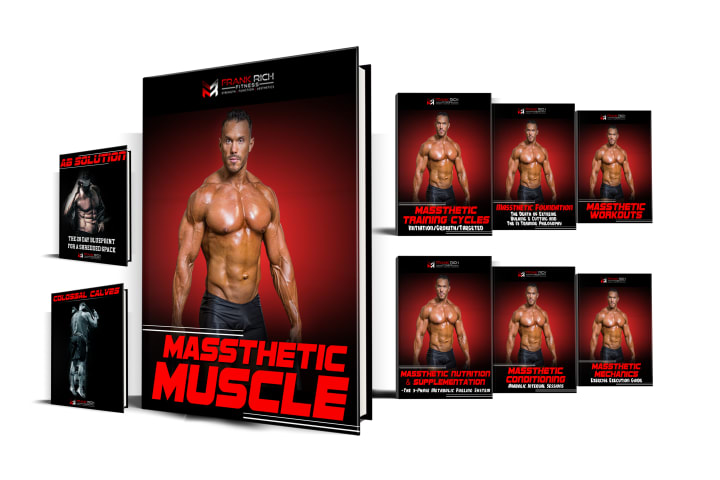
Read on to learn how to avoid extreme bulking and cutting cycles forever by utilizing
Muscle Gain: Nutrition for Muscle Growth
Achieving muscle gain is not solely about strength training; it's equally vital to focus on proper nutrition. This aspect is crucial for supporting muscle growth and development. To enhance your muscle-building endeavors, grasping the significance of nutrition, protein intake, and macronutrient balance is key.
For muscle growth, a calorie surplus is paramount. This entails consuming more calories than your body expends, thus providing the energy muscles need to expand. The ideal calorie surplus varies based on your body type, activity level, and muscle-building objectives.
Protein is fundamental to muscle construction, making sufficient protein intake essential for muscle protein synthesis and growth. The recommended protein intake for muscle building ranges from 1.6 to 2.2 grams per kilogram of body weight. This range is influenced by training intensity and overall calorie consumption.
Besides protein, macronutrients like carbohydrates and fats are crucial for muscle growth. Carbohydrates fuel intense workouts, while healthy fats support hormone production and overall health.
Macronutrient Recommended Intake for Muscle Gain
Protein 1.6 - 2.2 g/kg of body weight
Carbohydrates 4 - 7 g/kg of body weight
Fats 0.5 - 1.5 g/kg of body weight
By maintaining a calorie surplus, ensuring adequate protein intake, and balancing macronutrients, you can foster muscle protein synthesis. This approach maximizes your muscle-building potential.

Effective Strength Training Exercises
Building muscle demands a strategic approach to your strength training routine. A blend of compound exercises and isolation exercises is key to impressive results. Understanding their roles helps you create a comprehensive workout plan. This plan stimulates overall muscle growth and shapes the physique you aim for.
Compound Exercises for Maximum Gains
Compound exercises, like squats, deadlifts, and bench presses, engage multiple muscle groups at once. They enhance strength and significantly increase muscle size. By focusing on these exercises in your strength training routine, you boost workout efficiency and promote greater muscle growth over time.
Isolation Exercises for Targeted Muscle Development
Isolation exercises are vital for specific muscle group development, alongside compound exercises. Bicep curls, tricep extensions, and leg extensions focus on individual muscles. This ensures balanced and symmetrical muscle development. Adding these isolation exercises to your workout routine enhances muscle strength and appearance.
Compound Exercises Isolation Exercises
Squats
Deadlifts
Bench Press
Pull-ups
Overhead Press
Bicep Curls
Tricep Extensions
Leg Extensions
Shoulder Raises
Calf Raises
About the Creator
Keep reading
More stories from Health picks and writers in Lifehack and other communities.
Discover Reformer Pilates: Transform Your Fitness
Are you ready to start a fitness journey that changes everything? Reformer Pilates is your ticket to a new level of strength, flexibility, and well-being. This unique workout uses a special machine called the Pilates Reformer. It's a powerful way to boost your fitness and see amazing results.
By Health picksabout a year ago in Lifehack
The Camera Revolution Nobody Saw Coming
I was at a car boot sale last summer when I noticed something odd. A teenager was haggling over a battered Pentax K1000 from 1976. The camera looked ancient, all metal and manual dials, the kind of thing most people would assume belonged in a museum.
By Marcus Briggs6 days ago in Lifehack
The Path to Salvation
The late autumn evening air filled the monk's lungs, but it wasn't the season that chilled his bones. The heavy-handed presence of evil he had sensed upon entering the woods surrounding this mountain village had not bothered to conceal itself from him.
By Made in DNA6 days ago in Fiction


Comments (1)
Revising always keeps me enthusiastic. It boosts to do exercises.