
Mountain Homes That Breathe Power: Designing Elegant Eco-Residences with Integrated Energy Storage
How smart energy storage, subtle architecture, and user-focused controls turn remote mountain retreats into reliable, low-footprint homes

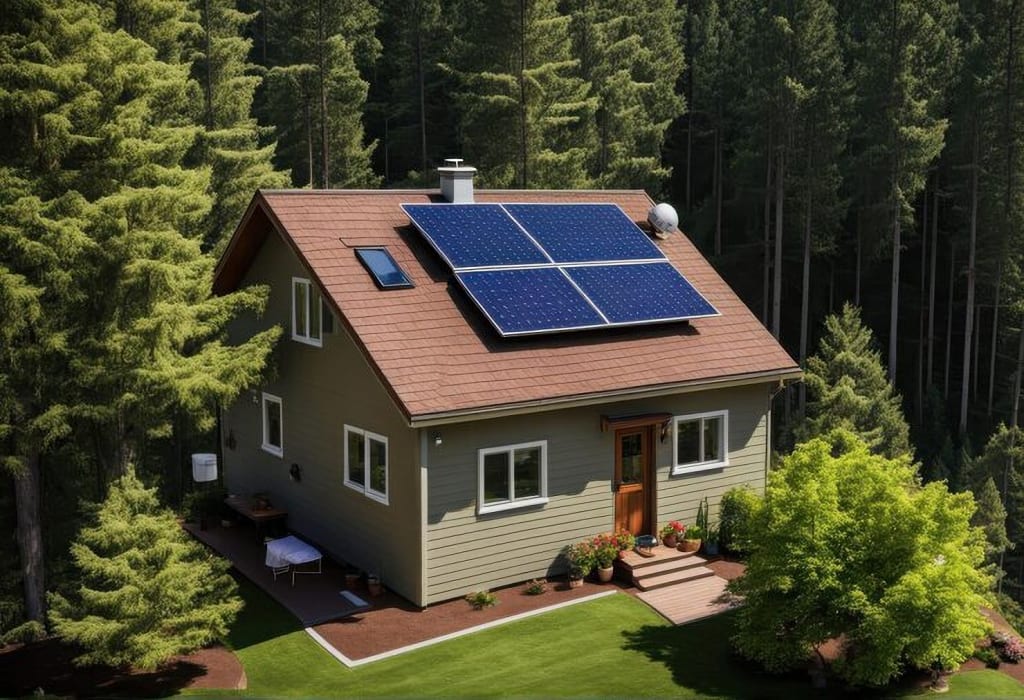
Perched above the treeline, mountain eco-homes promise immersion in nature — and a constant challenge: how to keep lights, heating and modern comforts running when the grid is distant and the weather is unpredictable. Today’s answer is not just more panels or a bigger generator; it’s the thoughtful integration of energy storage systems (ESS) into the architectural and operational DNA of the house. When done well, storage becomes invisible infrastructure: it protects occupants from outages, shapes comfort, reduces environmental impact, and preserves the home’s aesthetic. This article walks through the design principles, technology choices and practical tactics that deliver stylish, resilient mountain homes powered by intelligent storage.
Design with purpose: storage as an architectural element
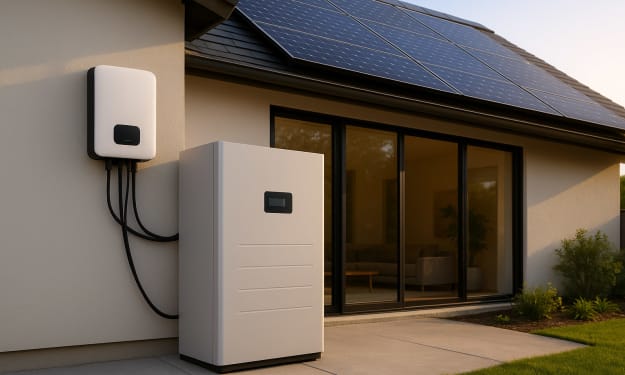
Start by treating ESS as part of the program, not an afterthought. Locate battery modules where they can be serviced but remain out of sight — in conditioned mechanical rooms, below stair volumes, or built into cabinetry that doubles as technical furniture. Use the battery’s mass and thermal properties to your advantage: adjacent storage can act as a thermal buffer for mechanical spaces, and compact battery racks free up living space compared with oversized generator rooms.
Architectural integration extends to wiring and visual language. Conceal conduit runs and cooling ducts, coordinate finish materials to hide access panels, and design ventilation paths so necessary airflow is quiet and unobtrusive. The result is an eco-home that looks and feels like a retreat rather than a utility shed.
Choose the right chemistry and form factor
Li-ion chemistries — particularly lithium iron phosphate — have become the default choice for residential ESS where safety, lifetime and cycle performance matter. They offer high usable capacity in compact packages and tolerate deeper daily cycling than legacy lead-acid systems. For mountain homes, prioritize battery modules that include integrated battery management, temperature sensors and modular expansion so you can right-size the system for seasonal occupancy patterns.
Physical constraints matter too. Slim, wall-mounted modules are ideal for tight interiors, while floor-mounted racks are better when easier serviceability is required. In very cold climates, plan for insulated enclosures or battery heaters, because cold reduces usable capacity and limits charging speed.
Make the inverter and controls an ally of the house
The inverter and control software are the “brain” of a modern eco-home. Choose inverters that support multiple power flows — grid, solar, generator and house — and expose configuration options for charge/discharge logic. A good control system will not only avoid outages but will schedule battery usage intelligently: topping up during mid-day solar, holding a reserve for evening heating, and avoiding unnecessary cycling that accelerates degradation.
Local autonomy is essential in remote settings. Ensure the control stack can operate reliably without internet access, following pre-set priorities and fail-safe routines. When connectivity is available, cloud-based analytics add value — remote monitoring, firmware updates and seasonal tuning — but systems should never be dependent on remote servers for basic safety functions.
Align energy storage with thermal design and load priorities
Heating often dominates energy demand in mountain homes. Rather than brute-forcing capacity, design the building envelope and systems to reduce peak loads: super-insulation, high-performance windows, passive solar gain, and heat-recovery ventilation dramatically lower the amount of stored energy you need. Complement those measures with thermal storage — for example, a small hydronic buffer or a resistive preheat tied to storage — so surplus solar energy can be stored as heat rather than all as electricity.
Define a clear load-priority scheme in the controller. Life-safety and communications rank highest, followed by heating systems that prevent frozen pipes, then refrigeration and lighting, and finally discretionary loads like EV charging or high-power workshop tools. Prioritization allows the battery to sustain essential functions for longer and avoids emergency generator starts.
Solar, microgrids and generator strategy
A balanced system combines solar generation, storage, and a backup generator sized to handle long-duration deficits. In many mountain settings, modest PV arrays paired with a right-sized battery will cover most needs in summer, while a small, efficient generator provides reliable long-duration backup in winter or during extended storms. Configure the system so the generator only runs when needed: use forecast-aware logic to decide when to charge the battery from the generator versus conserving fuel.
If multiple homes or buildings share a site (a workshop, guest cabin, or EV charging point), consider designing a microgrid with shared storage and smart distribution. This reduces redundant infrastructure and can improve overall efficiency and resilience.
Human-centered controls and occupant behavior
The best systems are those people can understand and trust. Provide simple, local interfaces that show battery state-of-charge, estimated runtime for essential loads, and clear alerts for abnormal conditions. Include user-configurable modes: “comfort” for maximal convenience, “economy” for lower battery usage and fuel savings, and “resilience” that preserves a larger SOC cushion for anticipated storms.
Education matters. A short owner manual and a commissioning walkthrough ensure occupants know how the system behaves in winter, when to use high-power appliances, and how to interpret warnings. Empowering people to behave in ways the system expects prevents many false alarms and unnecessary maintenance calls.
Installation, thermal management and safety
Proper installation practices are non-negotiable in remote, cold, or high-altitude locations. Insulate battery enclosures, route ventilation to avoid ice buildup, and protect power electronics from moisture. Install overcurrent protection and emergency disconnects close to battery terminals, and follow local codes for fire mitigation and electrical grounding. Choose battery models with transparent safety ratings and embedded BMS features that handle cell balancing, thermal cutoffs and overcurrent protection.
Plan for maintenance access. Even highly reliable batteries need periodic checks: torque on terminals, firmware status, and visual inspection for any swelling or damage. Make these checks part of an annual maintenance plan tied to occupancy cycles.
Economics and lifecycle planning
While upfront costs for a fully integrated ESS can be significant, lifecycle thinking changes the conversation. Energy independence reduces or eliminates long-haul fuel delivery, and improved efficiency lowers recurrent heating bills. Consider total cost of ownership: warranties, expected cycle life, and the value of avoided generator runtime. For many owners, the peace of mind and reduced environmental footprint are decisive benefits beyond pure economic payback.
Conclusion: elegant resilience
A mountain eco-home’s power system should be as intentional as its footprint and finish palette. When energy storage is integrated from the earliest design steps — matched to thermal strategy, wired into a smart control architecture, sized for realistic loads and hidden with care behind beautiful finishes — it becomes invisible infrastructure that elevates the home. The result is an elegant, resilient retreat: modern comfort delivered with minimal environmental intrusion and maximum reliability, even when the weather turns.
About the Creator
Richye Power
Discover RICHYE Battery, a leading lithium battery manufacturer renowned for excellence in performance and quality. Experience superior reliability and innovative solutions tailored to meet your specific needs.
Keep reading
More stories from Richye Power and writers in Lifehack and other communities.
Mastering Solar Charge Controller Sizing: A Comprehensive Guide for Optimal Off-Grid Performance
In the realm of renewable energy, solar power stands out as a sustainable and efficient source. However, to harness its full potential, understanding the intricacies of solar system components is crucial. One such component is the solar charge controller, a device that regulates the voltage and current coming from the solar panels to the batteries. Proper sizing of this controller is essential to ensure the longevity and efficiency of your solar power system. This guide delves into the importance of correctly sizing a solar charge controller, the factors influencing its selection, and how advancements in technology have enhanced their performance.
By Richye Power5 months ago in Lifehack
The Importance of Organized Nutrition for Better Health
Nutritional regulation and its importance for daily health Nutrition regulation is the arrangement of meals and foods we eat in a balanced way that suits the body's needs. Its goal is to provide the body with the necessary energy, strengthen the immune system, and maintain health
By Kawtar Aithammouabout 11 hours ago in Lifehack
Top 10 Questions to Ask Every Perth NDIS Service Before You Engage Them
Choosing the right National Disability Insurance Scheme (NDIS) provider shapes the quality of care, independence, and outcomes a participant experiences. In Perth, families and participants face a growing number of service options, which makes informed decision-making essential.
By Anshul Vijay2 days ago in Lifehack



Comments
There are no comments for this story
Be the first to respond and start the conversation.